
How Streaming and Spectator Platforms Are Shaping the Future of Esports Viewership
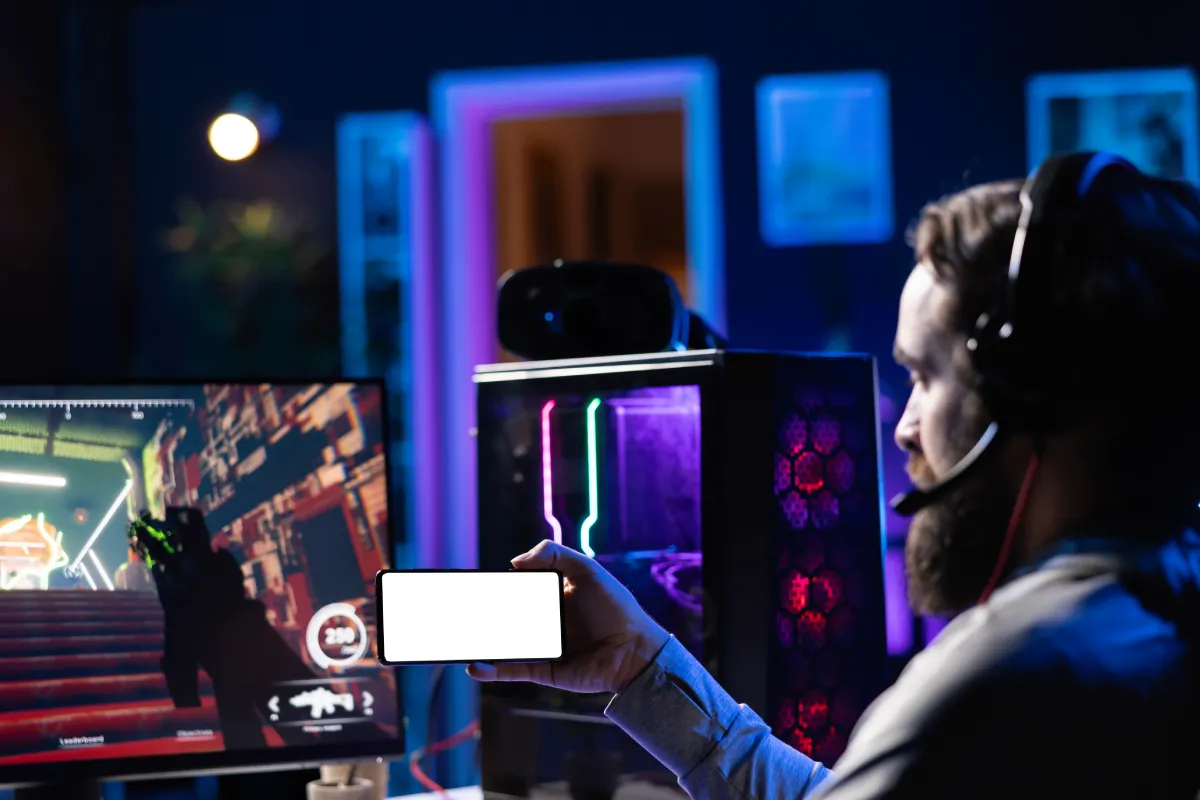
Esports has long moved beyond being just about competition — it’s a full-fledged show watched by millions. However, the way we watch these events has changed significantly in recent years. We’re no longer limited to just Twitch or YouTube: new platforms, integrations, and match presentation formats are emerging. I believe that the way a game is broadcast has a direct impact on the popularity of the discipline and viewer retention. This is especially true for games where every round and decision can influence the outcome — such as CS2, Dota 2, League of Legends, and Valorant.
Interactivity of Streams and Its Impact on Perception
I feel like viewers are becoming less interested in simply observing. It’s no longer enough to just watch matches — people want to feel like they’re part of the process. That’s why modern platforms are starting to implement interactive elements: voting for the best player of the match, choosing the camera angle, focusing on specific players, or even watching from a free-fly perspective. These features bring the viewing experience closer to something personal — as if you’re directing the broadcast yourself. This is especially noticeable in games with a well-developed scene, where even camera positioning can shape how a round is perceived.
Another aspect is the ability to influence content in real time. Some platforms let viewers take part in live polls, discuss tactics, or access additional match data during the stream. In stat-heavy games like League of Legends or Dota 2, this becomes especially valuable — you can choose what interests you more: farming, jungle rotations, or objective control. In CS2 Esports, this kind of functionality stands out even more, since viewers can decide whether to follow the sniper’s POV or switch to a full map overview.
Beyond that, interactivity is also a learning tool. When you’re able to choose your own perspective, compare player decisions, or analyze gameplay with advanced tools, you start to better understand what’s actually happening. This turns streaming from passive entertainment into an active, engaging experience. In the long run, this approach can not only retain viewers but also raise the overall level of game literacy among fans.
Growth of Mobile Streaming and Accessibility
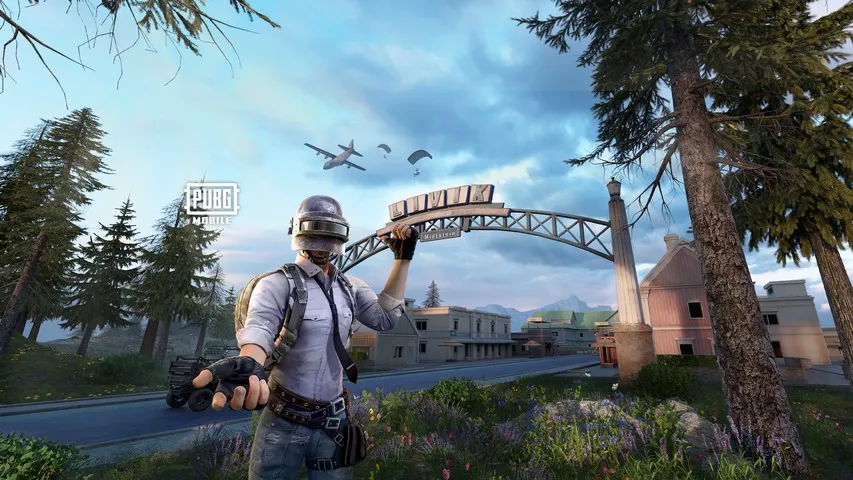
With the advent of more stable internet connections and improved mobile stream quality, esports has become significantly more accessible. There’s no longer a need to sit at a computer to follow your favorite team — you can tune into a match during your commute, at university, or even while waiting in line. This format fits perfectly into daily routines and makes watching easier than ever before.
In mobile titles like PUBG Mobile, Free Fire, or Arena of Valor, streaming has become a part of the game itself. In many cases, broadcasts are built directly into the app, allowing you to jump into a match stream either right after playing or before logging in. This lowers the barrier for new viewers — there’s no need to search for third-party platforms; everything is already within reach. Over time, this approach encourages a habit of staying updated, even for those who previously weren’t interested in esports.
The accessibility of mobile streaming also affects the geographical spread of the audience. In areas where stable internet was once a challenge, now a smartphone and basic mobile data are enough. This expands the reach of the esports scene, draws in more people, and helps shape a new generation of viewers — and potential players.
New Broadcast Formats and Alternative Commentators
I’ve been noticing more and more that viewers are moving away from traditional broadcasts and leaning into more informal formats. During tournaments in games like Dota 2 or Valorant, it’s easy to find a streamer who offers commentary in a relaxed, casual tone, without the pressure of sounding official. This makes the viewing experience lighter and more enjoyable — especially for those who aren’t seeking in-depth analysis but just want to unwind.
Formats like co-streams are also gaining traction. Viewers tune in to a streamer who watches the match live while chatting with their audience, creating the feeling that you’re watching the tournament with a friend. This dynamic works especially well during major events where the atmosphere can otherwise feel too intense or serious.
On top of that, these types of broadcasts can offer a fresh perspective. Sometimes it’s a laid-back streamer with an unconventional take who spots key moments that the official analysts overlook. It broadens the way we interpret matches and shows just how multilayered an esports event can be.
Analytics and Enhanced Data in Broadcasts
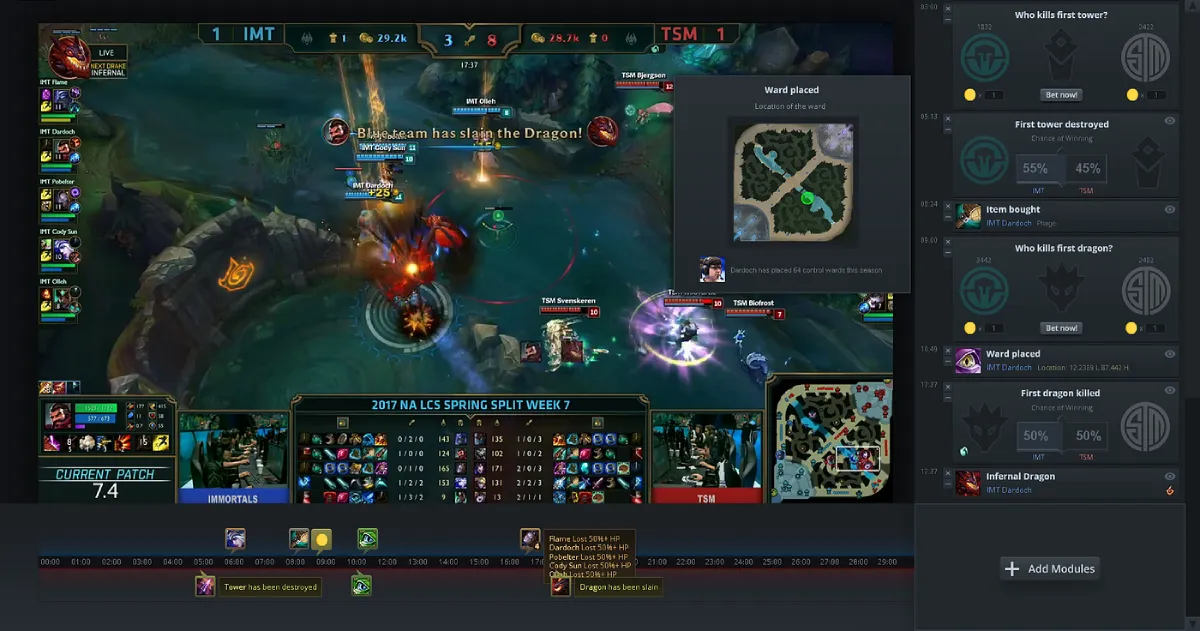
In games where victory depends not just on reflexes but on calculation — like StarCraft II, CS2, or League of Legends — it’s especially important to be able to read the match on a deeper level. That’s where broadcasts with extended analytics come into play. The ability to turn on overlays with graphs, economy comparisons, and precise statistics for each player completely changes how the game is perceived.
For viewers who want to do more than just watch — who want to understand how the game is constructed — these features are a game-changer. This is especially true for titles with dynamic economies, where every decision can influence the entire flow of a round or match. Broadcasts like these turn into interactive lessons: you can see how strategies unfold, how players adapt, and what decisions they make under pressure.
This approach also raises the overall value of the viewing experience. A stream stops being just background entertainment and becomes something more active. The viewer gets more information — and with it, more enjoyment. And for those looking to improve their own skills, it’s a direct path to analysis and personal growth.
Conclusion
In my opinion, it’s the evolution of streaming platforms that defines how esports will continue to grow. The way information is delivered, how user-friendly the interface is, the presence of analytics, and the ability to interact with the broadcast — all of this impacts how engaged viewers remain within the ecosystem. Games are getting more complex, and the ways we watch them need to evolve as well. Whoever finds the most effective format first will not only win the audience but also shape the future of the entire industry.


Leave a Reply