
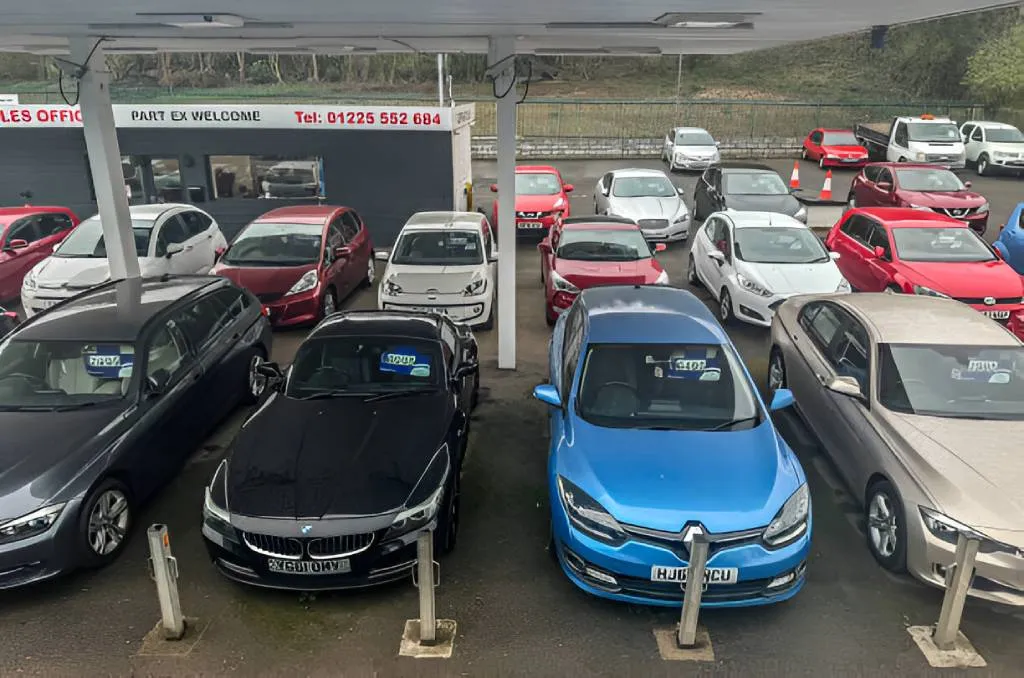
How to Choose the Best Used Car for Your Needs
Buying a used car can feel overwhelming, especially when prices average $27,000 in 2026.
You want a reliable vehicle that fits your budget without surprise repairs draining your wallet. The good news? A smart buying process can save you $2,000 to $5,000 and help you find a car that lasts for years.
Whether you’re shopping at www.automarket.ae (AutoMarket) or browsing private sellers, this guide walks you through every step to make the right choice.
Why a Systematic Approach Saves You Money
Following a clear process prevents costly mistakes.
Many buyers rush into purchases and end up with vehicles needing expensive repairs within months. A methodical approach helps you spot reliable options like Toyota models that can run for over 200,000 miles.
The key is simple: be patient, get professional help, and use reliable data sources. This strategy typically takes a few weeks but protects you from lemons that could cost thousands in fixes.
Figure Out What You Really Need
Start by thinking about your daily life.
Commuters benefit from sedans that get 40 MPG or better for long drives. Families need SUVs with at least 80 cubic feet of cargo space for gear and groceries.
Off-road enthusiasts should look for vehicles with 8 inches of ground clearance. If you tow boats or trailers, you’ll want a capacity of at least 5,000 pounds.
Make a list of must-have features.
Do you drive in snow? All-wheel drive becomes essential. Modern safety features like automatic braking have been standard since 2018. Maybe you need Apple CarPlay for easy phone integration.
Write down what matters most so you don’t get distracted by fancy extras you won’t use.
Now calculate the real cost of ownership.
Insurance averages $1,200 per year. Fuel costs about 15 cents per mile, depending on your driving. Maintenance runs between $400 and $800 annuall,y depending on the brand. Always budget an extra 10 to 20 percent for unexpected repairs.
Financial experts recommend keeping total car costs under 15 percent of your income. Set aside a repair fund of $1,000 to $2,000 for surprises that pop up.
Research Smart to Narrow Your Options
Check reliability ratings from trusted sources.
J.D. Power scores above 85 out of 100 indicate solid vehicles. Toyota, Honda, and Mazda consistently rank highest for low failure rates. These brands break down less often than others.
Compare fuel efficiency carefully.
Hybrid cars like the Prius achieve 50 MPG in real-world driving. Keep in mind, EPA estimates run about 10 percent higher than actual results. Compact SUVs like the CR-V deliver 28 to 32 MPG with more space than sedans.
Look into maintenance costs before buying.
Toyota’s average $400 per year for upkeep, while European brands often cost $800 or more. Check government safety databases for common problems. Some models have transmission issues or expensive part replacements.
Create a shortlist of three to five vehicles that balance your needs, budget, and reliability scores.
| Model | Reliability Score | MPG Combined | 5-Year Maintenance |
| Toyota Corolla | 65/100 | 35 | $2,000 |
| Honda CR-V | 62/100 | 30 | $2,500 |
| Mazda CX-5 | 60/100 | 28 | $3,000 |
Consider certified pre-owned programs from manufacturers.
These vehicles pass 150-point inspections and include warranties up to 100,000 miles. Prices range from $15,000 to $30,000 with much lower risk than regular used cars.
Inspect Every Detail Before Buying
Start by checking the frame for rust outside.
Rust can destroy a car’s structure over time. Look at the panel gaps between body parts. Uneven spacing often means the car was in a crash. Check if paint colors match perfectly across panels. Examine tires for uneven wear patterns that signal alignment problems.
About 20 percent of used cars have hidden accident damage.
Move inside to check for torn seats or dashboard cracks. Test every electronic feature including air conditioning, which commonly develops leaks.
Try all windows, locks, and the entertainment system. Smell for mold or mildew that indicates water damage. Use an OBD scanner to check for warning lights the seller might have cleared.
Pop the hood to inspect fluids.
Milky oil means a failing gasket that costs thousands to fix. Listen for rattling or knocking sounds when the engine runs. Check belts and hoses for cracks or wear. Test the battery to see how old it is since replacements cost $100 to $200.
Take a Complete Test Drive
Drive the car in different situations to expose problems.
Test it in city traffic with frequent stops. Take it on the highway at 60 MPH or faster. Find some hills to check power. Drive over rough roads to test the suspension.
Pay attention to how everything feels. Does it accelerate smoothly? Can it stop within 150 feet from 60 MPH? Does the steering feel tight and responsive?
Check if the transmission shifts without jerking. Notice any unusual noises or vibrations in the steering wheel. See if the car pulls to one side or bounces too much over bumps.
Test every system while driving. Turn the climate control to full cold and full heat. Try all the electronics again.
Practice parking at low speeds to check for steering issues.
Get a Mechanic to Check Everything
Independent mechanics find about 80 percent of hidden problems that buyers miss.
They use lifts to inspect underneath and run computer diagnostics. A professional inspection costs $100 to $200 but can save you thousands in repairs.
Mechanics provide objective repair estimates that help you negotiate a fair price. They will check the entire mechanical system and predict what might need fixing soon.
Check the Vehicle History Report
Pull reports from both Carfax and AutoCheck to compare information.
Look for accident records that affect value and safety. Verify the title is clean and avoid salvage titles from totaled cars. Check service records to see if the owner maintained it properly. Count how many people owned it before. Watch for odometer fraud, which affects 40 percent of used cars.
Check if any recalls haven’t been fixed yet.
Red flags include multiple accidents, title washing across states, gaps in service history, flood or fire damage, and previous rental or fleet use.
Consider These Final Shopping Details
Research the car’s value on Kelley Blue Book and subtract 10 percent based on inspection findings.
Look at similar cars for sale to compare prices. Get pre-approved for a loan at 5 to 7 percent interest rates before shopping. This gives you negotiating power. Compare warranty options if buying certified pre-owned.
Some extended warranties cost more than they’re worth.
Shop at different places to find the best deal. Dealers charge more but offer warranties and financing. Private sellers discount prices by 10 to 20 percent but require more paperwork diligence.
Online platforms rate deals by factors like MPG and safety scores.
Your Path to a Smart Purchase
The best used car comes from following these steps carefully.
Define what you need, research reliable models, inspect thoroughly, test drive completely, review the history, and get professional help. Patience typically saves buyers 15 percent compared to rushed decisions. Being thorough eliminates regrets that come with hidden problems.
Professional inspection isn’t optional; it’s your best protection against expensive mistakes. Take your time, do your homework, and you’ll drive away with a reliable car that serves you well for years.


Leave a Reply