

How to Leverage Open-Source Tools for Efficient Software Development
Open-source tools have changed the way developers build, test, and ship software. What used to take weeks now gets done in days—sometimes hours—thanks to flexible frameworks and a global pool of contributors. You’re not simply speeding up development, but also working smarter with code that’s already field-tested by other engineers solving similar problems.
Open-source lets you skip the fluff. Instead of burning hours creating something from scratch, you can stand on top of solid code and focus on what really matters: building features that users want, fixing problems that slow things down, and launching products that don’t break when your user base grows.
Outsourcing Hardware? Stay Focused on Core Code
Sometimes efficiency means pulling in outside expertise—not just tools. If your product involves electronics, outsourcing hardware development can eliminate weeks of trial and error.
Many teams speed up prototyping and testing by using pcb design services that handle everything from layout to manufacturing files. This lets your internal team stay focused on firmware, backend systems, or user interface design—where the iteration loop is tighter and the feedback cycle matters more.
When you remove the need to build circuit boards from scratch, you also make it easier to test your open-source stack in real-world conditions. That’s when the performance of your tooling starts to really show.
Additionally, choosing between bespoke software and off-the-shelf software can significantly impact your project’s success. While off-the-shelf software is designed for broad functionality and ready-to-use, it may not meet the specific needs of unique businesses.
Bespoke software, on the other hand, is specifically designed for individual organizations, providing tailored solutions that can better address specialized requirements. This distinction is crucial as organizations often outgrow generic software solutions as their needs become more specialized.
Python Plays Well With Open Source
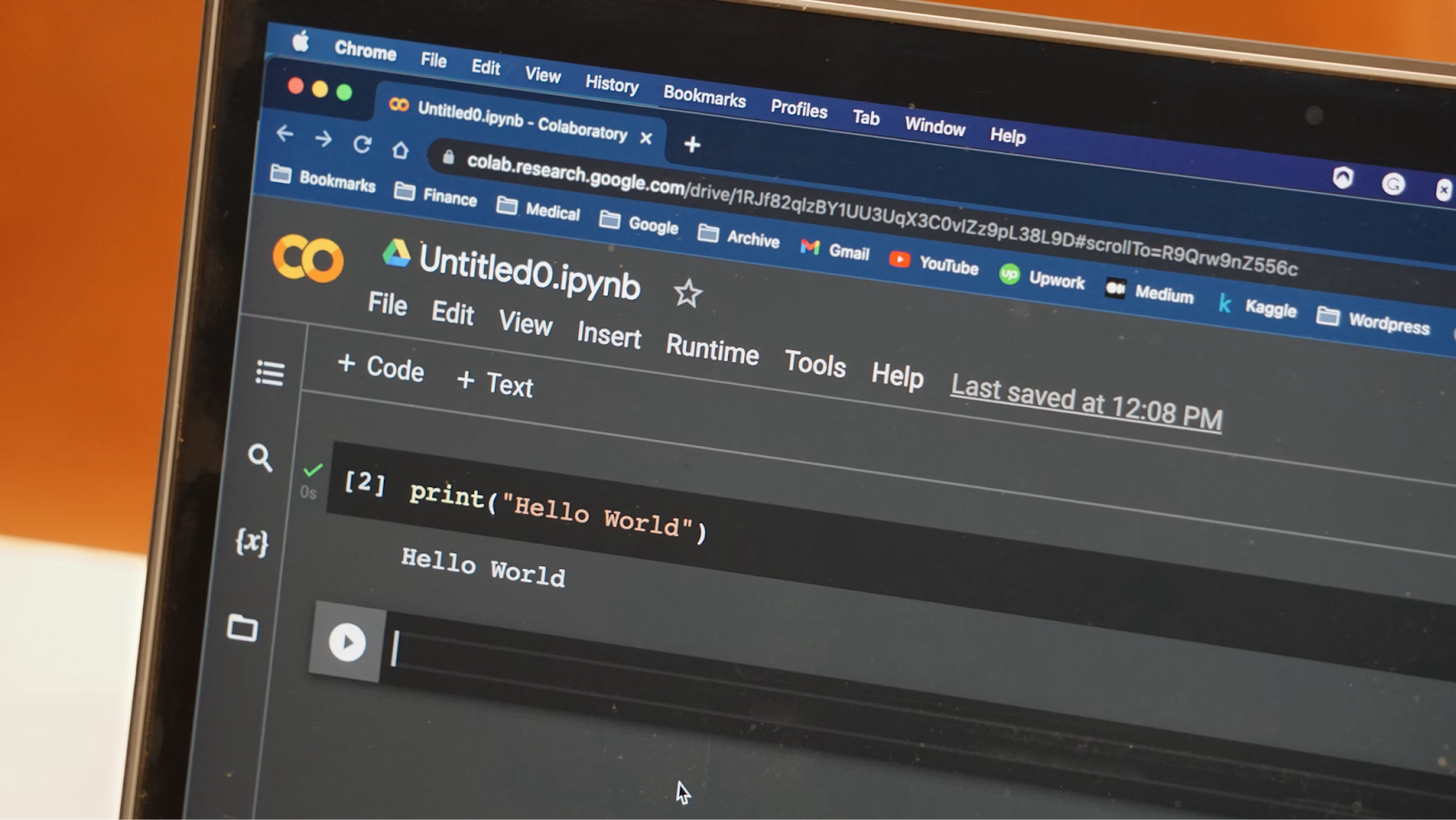
Python has become a default language in open-source circles—and for good reason. Its readability, vast package ecosystem, and compatibility with automation, data science, and DevOps make it a smart pick for fast-paced development.
Teams that want to move fast often bring in python software development services to extend internal capacity without slowing things down. Not only such teams write scripts, but they also know which open-source libraries actually save time and which ones create more work. Whether it’s using FastAPI for backend APIs, Celery for task queues, or Pandas for data handling, open-source Python tools help you build without the bloat.
https://unsplash.com/photos/a-screen-shot-of-a-computer-wtpTL_SzmhM
The development process for creating custom software applications involves systematic steps such as research, design, testing, and maintenance. An efficient development process is key for project management and enhancing the overall workflow.
The thing is, a well-coordinated development team plays a vital role in this process. Clear goals and requirements for the development team foster alignment and efficiency. Effective communication and methodologies like Agile enhance the development team’s capability to adapt to evolving projects and ensure a coordinated effort toward achieving project objectives.
And because Python projects are easy to audit and modify, you maintain transparency and control—two things that rarely come packaged with licensed platforms.
Top Tools Software Developers Actually Use
The open-source space is massive, so picking tools that won’t waste your time matters. These options deliver real productivity gains and integrate easily with most modern workflows.
1. Git + GitHub/GitLab
For version control, you won’t find a better combo. Paired with built-in CI features, you can test, build, and deploy automatically every time someone commits code.
2. Docker
This cuts out configuration headaches. You set up an environment once and everyone on the team runs the same thing. No surprises, no “it worked on my machine.”
3. VS Code
Fast, intuitive, and loaded with extensions. It keeps developers in the zone without becoming bloated.
4. PostgreSQL
Reliable and robust. Whether you’re running analytics, dashboards, or a full-on production database, Postgres can handle it.
5. FastAPI or Django
If you’re building APIs or full-stack applications, these Python-based tools do a solid job and play well with microservices.
Each of these tools solves real problems without weighing you down. If your goal is to deliver stable, testable code at a steady pace, this lineup keeps you covered. You can also explore DevOps automation tools that complement this stack to further streamline testing, integration, and deployment processes.
How to Use Open-Source Tools Without Slowing Down the Development Process

https://unsplash.com/photos/black-and-white-penguin-toy-wX2L8L-fGeA
The biggest myth is that more tools equal more speed. That’s only true if you pick the right ones, document how they fit together, and give your team a clear map to follow. Throw in too many dependencies, and you’re just trading one bottleneck for another.
Custom software development offers a tailored approach to creating software that meets specific business needs. It allows for unique functionality and addresses core challenges faced by organizations. Including a project manager in the process is key. A project manager leads the team, creates a realistic project roadmap with milestones, and ensures efficient collaboration among developers and subject-matter experts.
To stay efficient, focus on these:
- Start small. Use open-source where it saves you time on setup or solves something you’re not specialized in.
- Stay consistent. Don’t keep switching tools just because a newer one has a flashier homepage.
- Automate. From testing to deployment, open-source CI/CD platforms help you build and release code without manual steps.
- Monitor for security. Subscribe to updates, patch regularly, and use tools like Snyk or OWASP Dependency-Check to stay ahead of vulnerabilities.
Keep the Stack Tight and Practical
The most productive teams don’t chase complexity—they avoid it. You don’t need a laundry list of libraries. What you need is a stack that makes sense for your product, your team, and your goals this quarter.
A custom software solution can be pivotal in addressing specific business challenges, such as overcoming inefficiencies and facilitating data management. Simply by tailoring the software to your unique needs, you can both streamline operations and enhance productivity. A dedicated development team plays a key role in maintaining a streamlined stack, ensuring that the software adapts to the evolving needs of your growing business.
Always remember: clear goals and effective communication within the development team foster alignment and efficiency, making it easier to manage projects and achieve objectives.
Stick to tools that:
- Have active communities and ongoing maintenance
- Play nicely with your existing infrastructure
- Don’t trap you in someone else’s roadmap
Ignore popularity contests. The tool with the best marketing isn’t always the best choice. Pick what fits your team’s workflow and gives you room to grow.
The Risk of Going Overboard in a Software Project
Open-source doesn’t mean “no-cost”. It still takes time to vet tools, train your team, and set up governance. If no one’s maintaining internal documentation, onboarding becomes a mess. If you don’t keep track of updates, bugs can creep in without warning.
And just because the code is open doesn’t mean it’s high quality. Some libraries are held together with duct tape and enthusiasm. Always check repo activity, open issues, and how long it takes for maintainers to respond before pulling something into production.
The software development lifecycle emphasizes the importance of ongoing monitoring and user feedback. These practices create a feedback loop that addresses both technical issues and user experience, ensuring that software remains efficient and responsive to evolving user needs.
Open-source should help you go faster—not bury you in tech debt six months from now.
Wrapping It Up
Open-source tools aren’t a shortcut—they’re a decision. Done right, they help your team ship faster, collaborate better, and adapt without stress. Done poorly, they’ll leave you with broken integrations and frustrated devs.
Custom software applications are essential for growing companies that need unique solutions tailored to their specific challenges. These applications provide significant benefits, including improved efficiency and scalability. The process of developing a custom software application involves understanding the unique needs of the business, estimating the costs, and creating a solution that addresses those needs effectively.
Software developers play a major role in this process. They bring the expertise needed to create custom solutions that meet the unique requirements of a business. While hiring skilled software developers can be costly, the investment often pays off in the form of a more efficient and effective software solution.
Just keep it lean, build what matters, and remember—open-source works best when you know exactly what you want from it. The rest is just noise.


Leave a Reply