
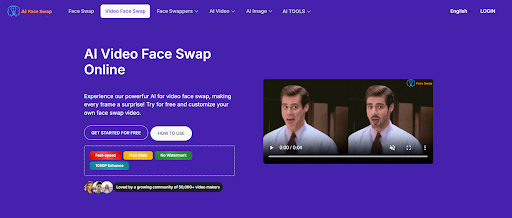
How Video Face Swap Tools Like AIFaceswap Function
In recent years, artificial intelligence has quietly changed how people create and interact with digital content. One of the most fascinating outcomes of this progress is the rise of face swap technology, especially in videos. What once required advanced editing skills and expensive software can now be done online in just a few clicks.
Video face swap tools are no longer limited to professionals or tech experts. Today, everyday users can experiment, create, and explore face swapping for fun, learning, or creative projects. Among these tools, platforms like AIFaceswap have gained attention for being accessible, simple, and free to use.
This article takes a deep look at how video face swap tools function, what technology powers them, and why platforms like AIFaceswap are becoming so popular. We’ll break everything down in a clear, human, and easy-to-understand way, no technical jargon overload, no hype, just useful information.
Understanding the Basics of Video Face Swap Technology
At its core, face swapping is the process of replacing one person’s face with another in an image or video while keeping the expressions, movements, and lighting natural. When this process is applied to videos, the complexity increases because the system must handle thousands of frames instead of a single image.
A video face swap tool works by analyzing facial features frame by frame. It tracks eyes, nose, mouth, jawline, and facial movements, then maps a new face onto the original subject while preserving realistic motion and expressions.
What makes modern tools impressive is that most of this happens automatically. Users don’t need to manually adjust frames or align faces. Artificial intelligence does the heavy lifting behind the scenes.
The Role of Artificial Intelligence in Face Swapping
Artificial intelligence is the backbone of modern face swap tools. Instead of simple overlays, AI models are trained on large datasets of human faces. These models learn how faces move, how skin reacts to light, and how expressions change over time.
When you upload a video and a photo to a face swap tool, the AI performs several steps:
- Detects faces in each frame of the video
- Identifies key facial landmarks
- Matches the new face’s structure to the original
- Adjusts lighting, angles, and expressions
- Generates a seamless final result
This intelligent process allows face swapping to look smooth and natural rather than stiff or artificial.
How Video Face Swap Tools Process Videos Step by Step
To better understand how these tools work, let’s walk through the typical process from start to finish.
Face Detection and Mapping
The first step is face detection. The system scans the video to locate all faces appearing in each frame. Advanced tools can detect both single-person and multi-person videos, even when faces move or partially turn away from the camera.
Once detected, the tool creates a facial map. This map includes key points such as eyes, eyebrows, nose tip, mouth corners, and chin. These points are tracked throughout the entire video.
Facial Feature Matching
After mapping the original face, the system analyzes the uploaded photo. It extracts the same facial landmarks and compares them with the video subject’s structure. The goal is to align proportions and angles accurately.
This step is crucial for realistic results. Poor matching can cause unnatural expressions or misaligned faces, but modern AI has become remarkably accurate at this stage.
Expression and Motion Transfer
One of the biggest challenges in video face swapping is preserving natural movement. Facial expressions change constantly—smiles, blinks, head tilts, and subtle muscle movements all need to be replicated.
AI models track these movements in real time and transfer them to the swapped face. This ensures the new face mirrors the original person’s expressions and timing throughout the video.
Lighting and Color Adjustment
Lighting can make or break a face swap. If the tones don’t match, the result looks fake. AI automatically adjusts brightness, contrast, shadows, and skin tone so the swapped face blends naturally into the scene.
This adjustment happens frame by frame, ensuring consistency even when lighting changes mid-video.
Final Rendering
Once all processing is complete, the system renders the final video. The output is a smooth, cohesive clip where the swapped face appears naturally integrated into the original footage.
What Makes AIFaceswap Stand Out
Among the many tools available today, AIFaceswap offers a balance of simplicity and advanced functionality that appeals to a wide range of users.
One of its biggest advantages is accessibility. AIFaceswap is a free online face swap app that requires no login. Users can start immediately without creating accounts or sharing personal details.
It supports:
- Single-person face swapping
- Multi-person face swapping
- Video face swapping
This flexibility allows users to experiment with different types of content using the same platform.
Ease of Use for Beginners and Casual Users
Not everyone using face swap tools is a tech expert. Many people simply want to explore creative ideas or have fun. AIFaceswap is designed with this audience in mind.
The process is straightforward:
- Upload your photo
- Upload your video
- Let the system process the swap
- Download and enjoy the result
There are no complicated settings or technical decisions required. This ease of use makes the tool approachable and user-friendly.
Single-Person vs Multi-Person Face Swapping
Face swapping isn’t limited to one person at a time. Advanced tools can handle multiple faces in the same video.
Single-Person Face Swapping
This is the most common use case. The tool focuses on one face throughout the video and replaces it with the uploaded photo. This method is faster and often produces the most accurate results.
Multi-Person Face Swapping
In group videos, the system identifies each face separately. Users can choose which faces to replace or even assign different uploaded photos to different people in the same clip.
This feature requires more processing power and precise tracking, but it opens up creative possibilities for team projects, educational content, or demonstrations.
Why Video Face Swap Technology Has Grown So Quickly
The rapid growth of face swap tools isn’t accidental. Several factors have contributed to their popularity.
Improved AI Models
AI models today are far more advanced than those available just a few years ago. They can process data faster, learn patterns more accurately, and produce higher-quality results.
Increased Demand for Visual Content
Video content is everywhere—social platforms, presentations, training materials, and personal projects. Tools that make video creation easier naturally gain attention.
Accessibility Through Online Platforms
Web-based tools like AIFaceswap remove barriers. Users don’t need powerful computers or expensive software. Everything runs online, making advanced features available to anyone with an internet connection.
Practical and Creative Uses of Video Face Swap Tools
While often associated with entertainment, video face swap tools have many practical and creative applications.
Educational Demonstrations
Teachers and trainers can use face swapping to create engaging lessons or visual explanations without needing complex video production setups.
Creative Storytelling
Content creators can explore new storytelling techniques by reimagining characters or scenarios in videos, all while maintaining visual consistency.
Marketing and Branding Concepts
Without focusing on promotion, face swap tools can help visualize ideas, test concepts, or create internal mockups for presentations and brainstorming sessions.
Privacy and Responsible Use Considerations
With any powerful technology comes responsibility. Reputable platforms emphasize ethical use and user awareness.
Users should always:
- Only use photos and videos they have permission to edit
- Avoid misrepresentation or misuse
- Respect personal and creative boundaries
AIFaceswap’s no-login approach reduces data collection, which can be appealing to users concerned about privacy.
How AI Continues to Improve Face Swap Accuracy
Face swap technology is still evolving. Each year, improvements in machine learning lead to more realistic results.
Future advancements may include:
- Better handling of extreme angles
- More accurate facial expressions
- Faster processing times
- Enhanced consistency across longer videos
These improvements will further close the gap between edited content and original footage.
Common Challenges in Video Face Swapping
Even with advanced AI, some challenges remain.
Fast Movements
Rapid head turns or motion blur can reduce accuracy. AI tools continue to improve in this area, but complex movements can still be tricky.
Low-Quality Input
Poor lighting or low-resolution videos make it harder for the system to detect facial features accurately. Clear input leads to better results.
Occlusions
Faces partially covered by objects, hair, or hands may be harder to process. AI models are improving, but full visibility still produces the best outcome.
Tips for Getting Better Results with Face Swap Tools
To achieve the best results when using video face swap tools, consider these simple tips:
- Use clear, well-lit photos
- Choose videos where faces are visible and stable
- Avoid extreme angles when possible
- Match facial expressions between photo and video
Small adjustments in input quality can make a noticeable difference in output quality.
The Future of Video Face Swap Technology
As AI continues to advance, video face swapping will become even more refined and accessible. What once felt experimental is now mainstream, and tools like AIFaceswap are helping lead that shift.
The focus is moving toward realism, ease of use, and ethical responsibility. With these priorities in place, face swap technology is likely to remain a creative and educational resource rather than just a novelty.
Final Thoughts
Video face swap tools represent a fascinating blend of creativity and artificial intelligence. By automating complex processes like facial mapping, motion tracking, and lighting adjustment, they allow users to explore ideas that once required professional skills.
Platforms like AIFaceswap show how far this technology has come. With free access, no login requirements, and support for single-person, multi-person, and video face swapping, it makes AI-powered creativity available to everyone.
As long as users approach these tools thoughtfully and responsibly, video face swapping can be an enjoyable, educational, and innovative way to interact with digital content.


Leave a Reply