
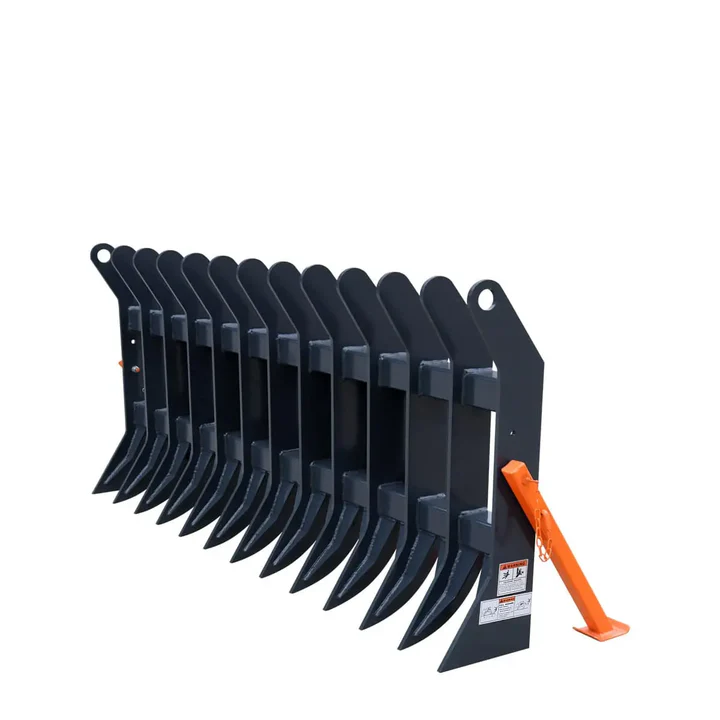
Managing Land More Efficiently: Why Root Rake Attachments Play a Key Role in Site Preparation
Across towns and rural areas in Devon, land management is an ongoing task. Whether it involves clearing storm debris, preparing ground for new projects, or maintaining agricultural and green spaces, the condition of the land has a direct impact on safety, accessibility, and long-term usability.
While large-scale development often attracts attention, much of the work that keeps communities functioning happens quietly — clearing roots, removing debris, and preparing soil for future use. In recent years, skid steer attachments such as root rakes have become increasingly common tools for this type of groundwork, offering an efficient alternative to manual clearing and repeated machine passes.
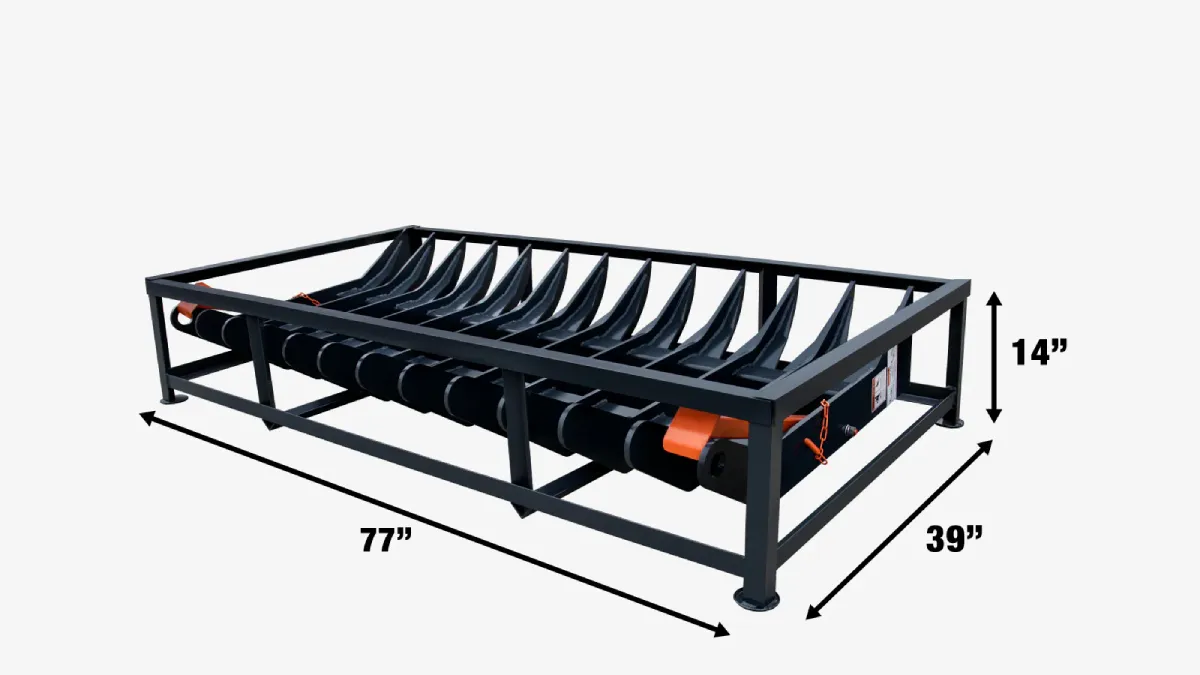
Why Root and Debris Removal Matters
After trees are removed or land is disturbed, what remains beneath the surface can be just as problematic as what is visible. Roots, rocks, and embedded debris can interfere with drainage, damage equipment, and complicate any future construction or landscaping work.
If these materials are not removed properly, they often lead to uneven ground, poor soil stability, and increased maintenance costs over time. This is particularly relevant in areas where land is repurposed — from agricultural plots and paddocks to access paths, storage yards, or community spaces.
A root rake attachment is designed specifically to address this stage of land preparation, allowing operators to separate unwanted material from usable soil in a controlled and efficient manner.
How Skid Steer Root Rakes Improve Groundwork
Root rakes attach to skid steer loaders, enabling operators to comb through soil rather than simply pushing it aside. This method provides several practical benefits:
- Efficient separation of roots and debris from soil
- Reduced soil displacement, helping preserve topsoil quality
- Faster site preparation compared to manual or bucket-based clearing
- Improved visibility of underground obstacles
The wide working width of modern root rakes allows for steady progress across larger areas, making them suitable for both small-scale property work and larger land management tasks.
Applications in Local and Rural Projects
In regions surrounding Exeter, root rakes are commonly used for:
- Clearing land after tree removal
- Preparing ground for fencing or drainage installation
- Cleaning agricultural fields and paddocks
- Removing storm debris from rural access roads
- Restoring land following construction or utility work
Because the rake allows soil to fall through while retaining roots and larger debris, it reduces the need for repeated grading and minimizes disruption to the surrounding area.
Supporting Safer and More Sustainable Land Use
Proper site preparation contributes directly to safety. Removing hidden roots and debris reduces trip hazards, prevents damage to vehicles and machinery, and creates more stable ground for future work.
From an environmental standpoint, preserving topsoil while removing unwanted material supports healthier regrowth and better drainage — an important consideration in areas affected by regular rainfall.
For contractors, farmers, and landowners, using the right attachment also reduces wear on equipment and shortens project timelines.
Conclusion
Groundwork may not always be the most visible part of land management, but it is one of the most important. Root rake attachments provide a practical and efficient way to prepare land for future use, ensuring that projects start on solid footing.
As communities continue to invest in maintaining and improving local land, tools that support effective debris removal and soil management remain essential — helping ensure that outdoor spaces are safe, functional, and ready for what comes next.


Leave a Reply