
Preserving Monarchs: Top 3 Plants to Attract and Save the Majestic Butterflies
In the delicate dance of ecological balance, few creatures inspire as much awe and wonder as the monarch butterfly. With its vibrant orange wings adorned by intricate black veins, the monarch is not only a marvel to behold but also a vital pollinator crucial to maintaining the health of ecosystems. However, the monarch population has faced a steady decline in recent years, largely due to habitat loss, climate change, and the scarcity of essential plants upon which they rely. As we strive to reverse this trend and safeguard the future of these magnificent insects, cultivating monarch-friendly environments becomes imperative. Here, we delve into the top three plants—coneflowers, milkweed, and butterfly plant—that play pivotal roles in attracting monarch butterflies and aiding in their conservation efforts.
1. Coneflowers (Echinacea spp.)
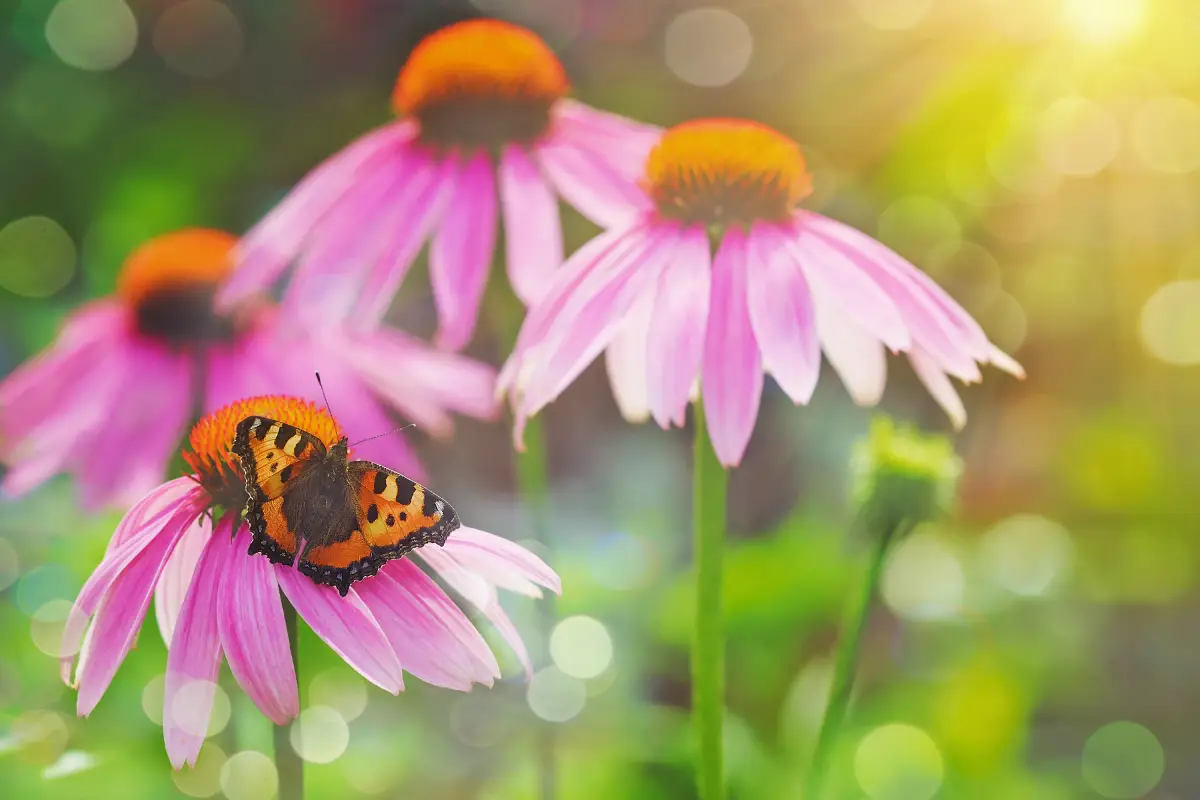
Coneflowers, with their distinctive spiky centers surrounded by vibrant petals, serve as a beacon for monarch butterflies seeking nourishment. These hardy perennials are not only visually appealing but also invaluable in providing nectar for adult monarchs during their migrations. Coneflowers bloom profusely throughout the summer, offering a continuous supply of sustenance for these delicate creatures.
Moreover, the robust nature of coneflowers makes them suitable for a wide range of climates and soil types, making them accessible to a broad spectrum of gardeners and conservationists. By incorporating coneflowers into gardens and green spaces, we create essential waystations for monarchs, aiding in their journey and ensuring their survival.
2. Milkweed (Asclepias spp.)
No plant is more synonymous with the monarch butterfly than milkweed. As the sole host plant for monarch larvae, milkweed plays an indispensable role in the butterfly’s life cycle. Female monarchs lay their eggs exclusively on milkweed plants, providing the sole source of sustenance for the emerging caterpillars. Without milkweed, the monarch population would plummet, highlighting the critical importance of preserving this plant species.
Milkweed comes in various forms, from the iconic Common Milkweed to the delicate Swamp Milkweed, each offering unique benefits to monarchs and other pollinators. Beyond serving as a nursery for monarch caterpillars, milkweed also attracts adult butterflies with its abundant nectar, further supporting their reproductive success.
3. Butterfly Bush (Buddleja spp.)
True to its name, the butterfly bush, or Buddleja, acts as a magnet for a plethora of butterfly species, including the majestic monarch. With its fragrant clusters of flowers ranging in color from purple to pink and white, the butterfly bush provides a visual feast while offering essential sustenance for adult monarchs.
One of the key advantages of the butterfly bush is its ability to bloom late into the season, providing a vital food source when other nectar-rich plants may be scarce. By extending the availability of resources for monarchs, butterfly bushes contribute significantly to their survival, particularly during the challenging autumn migration.
Facing Extinction: The Plight of the Monarch Butterfly
Despite their resilience and adaptability, monarch butterflies face an uncertain future as habitat loss and climate change threaten their existence. The loss of milkweed habitats due to urbanization, agriculture, and herbicide use has had a particularly devastating impact on monarch populations, leading to a sharp decline in their numbers.
Furthermore, the alarming decline in monarch populations not only jeopardizes the future of these iconic insects but also signals broader ecological imbalances that demand our immediate attention. Without concerted efforts to conserve their habitats and protect essential plant species, we risk losing the monarch butterfly forever—a sobering prospect with far-reaching implications for biodiversity and ecosystem health.
Cultivating Hope: Conservation Through Action
Amidst the sobering reality of declining monarch populations, there is cause for optimism as individuals, communities, and organizations rally together to preserve these beloved butterflies. By planting monarch-friendly gardens, advocating for the protection of critical habitats, and supporting initiatives aimed at monarch conservation, we can make a tangible difference in securing their future.
TN Nursery stands at the forefront of this conservation effort, offering a diverse selection of pollinator plants, including coneflowers, milkweed, and butterfly bushes, to empower individuals and organizations in their conservation endeavors. Through collective action and unwavering commitment, we can ensure that future generations continue to marvel at the sight of monarch butterflies dancing gracefully amidst fields of vibrant blooms.
In conclusion, the preservation of monarch butterflies hinges upon our ability to safeguard their habitats and cultivate environments rich in essential plant species. By embracing the intrinsic connection between monarchs and plants like coneflowers, milkweed, and butterfly bushes, we not only enhance the beauty of our surroundings but also contribute to the preservation of a species whose fate hangs in the balance. Let us heed the call to action and stand as stewards of nature, ensuring that the monarch butterfly continues to enchant and inspire for generations to come.


Leave a Reply