
Running a Creative Business: Essential Risk Management for Design Professionals
Beyond the Screen: Real-World Business Considerations
Building a successful design practice involves far more than creating beautiful websites and compelling visuals. The business fundamentals often determine long-term sustainability.
Many creative professionals focus intensely on their craft while overlooking operational considerations that can make or break their practice. Understanding these elements separates thriving businesses from those that struggle.
This guide explores essential risk management concepts for design professionals. Whether you’re a solo freelancer or running a growing agency, these considerations deserve your attention.
The Physical Side of Digital Businesses
Even predominantly digital businesses have physical dimensions. Client meetings happen in offices, workshops take place in rented spaces, and networking events bring people together in real venues.
Many designers eventually lease studio space where clients visit for consultations. Some host workshops teaching design skills or run meetups for local creative communities.
These physical activities introduce considerations that purely remote work avoids. Understanding and managing these risks protects both your business and the people you interact with.
Understanding Business Insurance Basics
Insurance isn’t the most exciting topic for creative types. Yet proper coverage provides essential protection that allows you to take calculated business risks confidently.
Professional indemnity insurance covers claims arising from your professional services. If a website you build causes a client business problems, this coverage helps protect you.
Public liability coverage addresses different scenarios entirely. This insurance applies when someone suffers injury or property damage in connection with your business activities.
When Physical Spaces Create Exposure
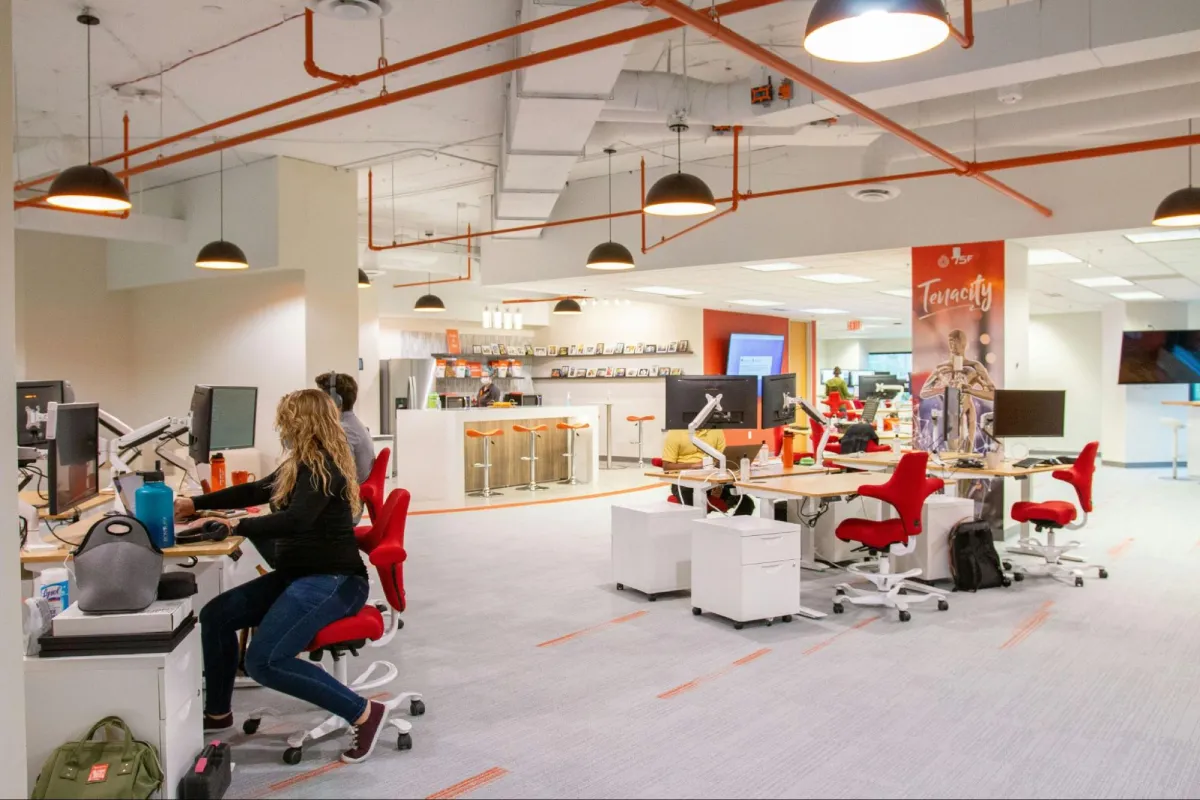
Running a studio where clients visit creates responsibilities. If a visitor trips over cables, slips on a wet floor, or injures themselves on your premises, you could face liability.
The same applies when hosting events or workshops. Even informal meetups at rented venues introduce potential exposure that many organisers never consider.
These aren’t hypothetical concerns. Accidents happen, and the question isn’t whether they’ll ever occur but whether you’re prepared when they do.
Workshop and Event Considerations
Teaching workshops has become a popular income stream for established designers. Sharing expertise while building industry profile makes compelling business sense.
However, gathering groups of people for hands-on activities introduces risks. Equipment mishaps, venue hazards, and simple accidents can result in participant injuries.
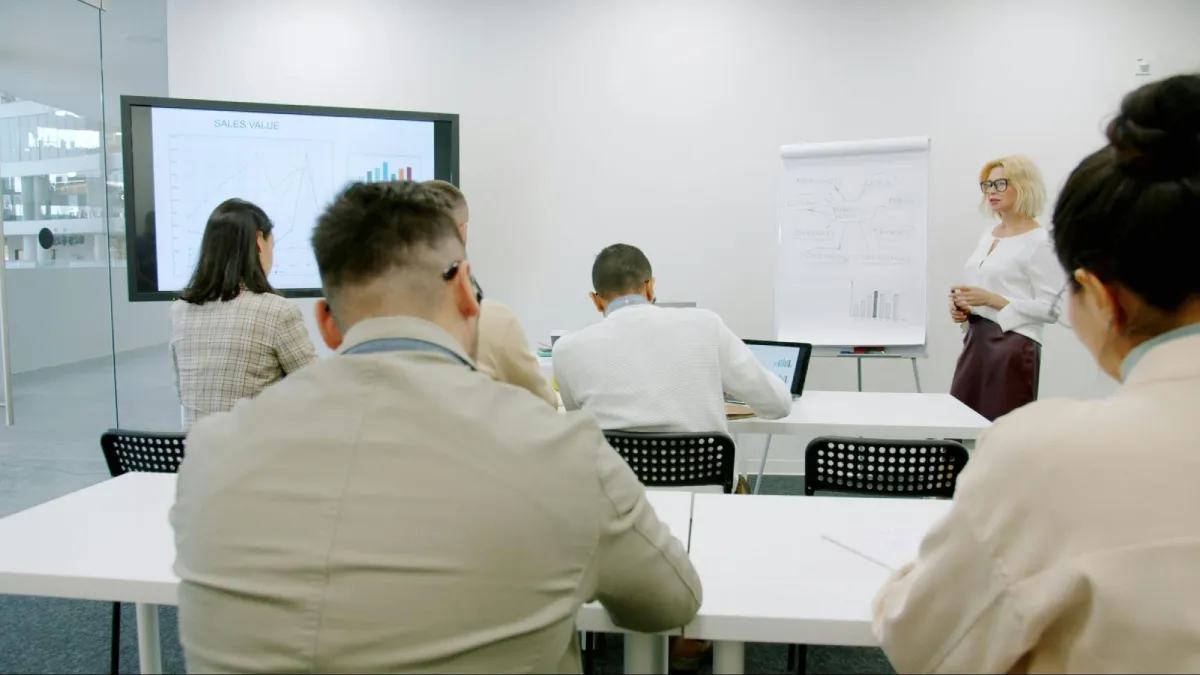
Proper preparation includes venue safety assessments, adequate insurance coverage, and clear participant agreements. These precautions protect both you and your attendees.
What Happens When Things Go Wrong
Despite best preparations, incidents sometimes occur. How you respond significantly affects outcomes for everyone involved.
Document everything immediately after any incident. Photographs, witness details, and written accounts of what happened become important if claims follow.
Report incidents to your insurance provider promptly. Delayed reporting can complicate claims processes and potentially affect coverage.
Navigating Liability Situations
When someone suffers injury connected to your business activities, the situation becomes stressful quickly. Understanding the process helps you respond appropriately.
Not every accident results in valid claims. However, determining liability involves complex legal considerations that most business owners aren’t equipped to assess themselves.
For incidents serious enough to potentially involve public liability claims, consulting legal professionals who specialise in this area provides clarity about responsibilities and processes. Understanding where you stand helps you make informed decisions rather than reacting from uncertainty.
Whether you’re on the receiving end of a claim or believe you have grounds to make one yourself, professional guidance navigates complexity that DIY approaches cannot handle effectively.
Prevention: The Best Risk Strategy
While insurance provides essential backup, preventing incidents remains the superior approach. Proactive safety measures reduce both human harm and business disruption.
Assess your physical spaces honestly for hazards. Cable management, adequate lighting, clear walkways, and appropriate signage address common risks.
For events and workshops, venue selection matters enormously. Choose spaces with good safety records and verify what insurance the venue carries.
Documentation and Policies
Written policies demonstrate professional risk management. These documents also clarify expectations for everyone interacting with your business.
Visitor policies for studio spaces establish basic safety expectations. Workshop agreements should address liability considerations, emergency procedures, and participant responsibilities.
Keep these documents current and ensure everyone receives appropriate information. Documentation only helps if people actually see it before incidents occur.
Building Safety Into Your Culture
Safety consciousness should permeate how you operate, not exist as bureaucratic checkbox exercise. Genuine attention to people’s wellbeing reflects professional values.
Brief workshop participants on emergency exits and relevant safety information. Maintain studio spaces to professional standards regardless of whether inspections are imminent.
This approach protects people while simultaneously demonstrating the professionalism that attracts quality clients.
Insurance: Getting Coverage Right
Not all policies provide equivalent protection. Working with brokers who understand creative businesses ensures coverage matches actual exposures.
Review coverage annually as your business evolves. Hosting your first workshop? Adding employees? Moving to new premises? Each change potentially affects insurance needs.
Don’t assume existing policies automatically cover new activities. Verify coverage before launching initiatives that introduce different risk profiles.
The Remote Work Complication
Hybrid and remote arrangements create interesting liability questions. When team members work from home, whose responsibility covers various scenarios?
Home office injuries while performing work duties may fall under workers compensation rather than public liability. Understanding these distinctions matters for proper planning.
If remote team members occasionally use your studio or meet clients on your behalf, consider how insurance coverage applies to these situations.
Client Sites and Third-Party Locations
Some design work happens at client locations rather than your own premises. Installing signage, setting up exhibitions, or conducting on-site consultations introduces different considerations.
Your business activities at another party’s premises may create liability for incidents there. Verify your coverage applies to work performed outside your own spaces.
Client contracts should address responsibility allocation for work performed at their locations. Clear agreements prevent disputes if problems arise.
Growing Without Growing Risks
Scaling your creative business shouldn’t mean proportionally scaling liability exposure. Smart growth incorporates risk management from the beginning.
New employees require training on safety practices and incident reporting. New services need insurance coverage review before launch.
The goal isn’t avoiding growth but growing thoughtfully with eyes open to implications beyond immediate revenue potential.
Taking Action
Risk management feels like distraction from creative work. Yet it enables the stability that sustains long creative careers.
Start with an honest assessment of your current exposures. Do you host clients? Run events? Have employees? Maintain physical spaces?
Match your insurance coverage to actual activities. Review policies carefully and ask questions when coverage seems unclear.
Build safety awareness into standard operations. Prevention serves everyone better than post-incident response.
Your creative business deserves protection that allows you to focus on the work you love. Proper risk management provides exactly that foundation.


Leave a Reply