
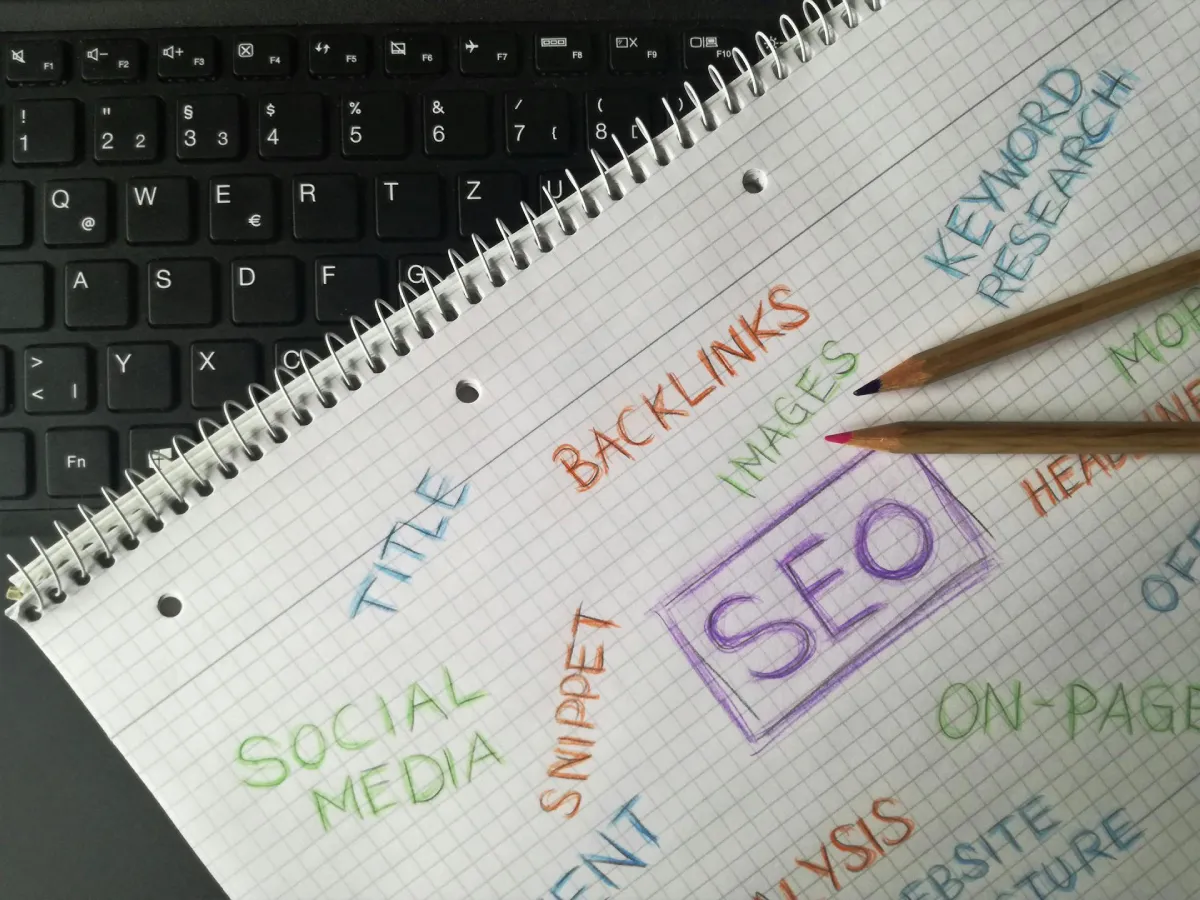
SEO in Today’s Market: Why Businesses Can’t Afford to Ignore It
Search behavior has changed, but one thing remains constant: people turn to search engines when they need answers, products, or services. Businesses that appear at the right moment earn attention, trust, and sales. Those that do not often fade into the background, regardless of how good their offerings may be. SEO no longer sits on the sidelines of digital marketing. It plays a direct role in visibility, credibility, and long-term growth. As competition grows and paid ads become more expensive, organic search continues to offer consistent value when done right. Companies that ignore SEO often struggle to keep up, while those that invest in it gain a steady edge.
This article is for anyone who might still not understand why SEO is absolutely necessary for business success. It explores why SEO matters more than ever and how it supports business goals.
SEO Has Become a Core Business Strategy
SEO no longer sits in a separate marketing corner. It now connects directly to growth, revenue, and brand positioning. When people search for solutions, they often show clear intent. Businesses that appear at that moment gain more than clicks. They gain attention from users who already want what they offer. Unlike short-term campaigns, SEO supports steady performance over time. It helps brands reduce dependence on paid ads while building authority in their space.
Visibility Is No Longer Optional in a Crowded Market
Online markets feel more crowded than ever. New brands launch daily, and customers face endless choices. Visibility decides who earns attention and who gets ignored. Most users trust search engines to filter options for them. They often choose from the top results without much hesitation. For ecommerce brands, this pressure grows even stronger. Product searches happen at scale, and competition stays intense. That reality explains why many businesses turn to the best ecommerce SEO agencies to secure placement where buyers already look. Visibility no longer feels like a bonus. It acts as a requirement for staying competitive.
Search Intent Shapes How Customers Find Businesses
SEO today depends on understanding intent rather than chasing isolated keywords. People search with specific goals in mind. Some want information, others compare options, and many stand ready to buy. Pages that reflect those goals tend to perform better. A blog post may attract early interest, while a product page speaks to decision-ready users. When content aligns with intent, visitors stay longer and take action. This alignment also reduces wasted traffic. Businesses that understand intent can guide users through a natural journey from search to conversion.
SEO Builds Credibility and Brand Trust
Strong rankings often signal reliability to users. People assume that search engines reward quality and relevance. When a brand appears consistently, it starts to feel familiar. That familiarity builds trust before any direct contact occurs. SEO also supports credibility through clear content, structured pages, and accurate information. Over time, users begin to associate visibility with expertise. This trust influences repeat visits and recommendations. While SEO cannot replace good service, it often creates the first layer of confidence.
Organic Traffic Delivers Long-Term Value
Organic traffic continues to attract businesses because of its staying power. A well-optimized page can generate visits long after publication. Unlike paid ads, traffic does not stop when budgets pause. SEO also brings users who actively search for solutions, which often leads to stronger engagement. Over time, multiple optimized pages create a stable traffic base. This stability helps businesses plan with more confidence. While SEO takes patience, its long-term returns often justify the effort.
SEO Supports Every Stage of the Buyer Journey
SEO works best when it aligns with how people actually make decisions. Many users start with broad searches to understand a problem. Others move on to comparisons, reviews, or pricing queries. Some arrive ready to act. SEO helps guide all of them. Informational content builds early awareness and answers questions. Mid-stage pages support evaluation and comparison. Transaction-focused pages meet users at the point of action. When each stage connects clearly, SEO creates a smoother path that feels natural rather than forced.
Mobile and Local Search Have Changed SEO Priorities
Search habits now reflect daily life. Most users search on their phones while on the move. They expect fast results, clear layouts, and easy navigation. If a page loads slowly or feels hard to read, users leave. Local search adds another layer. People often look for nearby solutions with immediate intent. Businesses that optimize for mobile and local visibility stand a better chance of capturing these moments. SEO today must support speed, clarity, and relevance across devices.
Data From SEO Guides Smarter Marketing Decisions
SEO does more than attract traffic. It provides insight into how people think, search, and behave. Keyword data reveals real questions and concerns. Search trends highlight shifts in demand. Performance metrics show what resonates and what falls flat. Marketers can use this information to refine messaging, improve offers, and shape content plans. SEO data often supports decisions beyond search, including paid ads, product development, and customer experience. When teams listen closely, search data becomes a practical planning tool.
Ignoring SEO Gives Competitors an Advantage
When one business steps back from SEO, another steps forward. Search rankings rarely sit empty. Competitors fill the space and capture attention instead. Over time, this gap grows harder to close. New content, links, and authority compound for those who stay active. Businesses that delay SEO often face higher costs later as they try to catch up. Visibility lost today can mean revenue lost tomorrow. SEO rewards consistency, not short bursts of effort.
SEO Continues to Evolve With the Market
Search engines change, but they follow a clear direction. They reward relevance, usefulness, and positive user experience. Tactics that rely on shortcuts tend to fade. Businesses that focus on quality adapt more easily. SEO now overlaps with content strategy, design, and performance. This shift pushes teams to think beyond rankings alone. Those who treat SEO as an evolving practice stay more resilient as algorithms adjust and markets shift.
SEO forces businesses to pay attention. It reflects how people search, decide, and interact online. Companies that invest in it often develop a deeper understanding of their audience. That understanding shapes clearer messaging and better experiences. Rather than chasing trends, strong SEO encourages steady improvement. In a market driven by choice and convenience, businesses that listen and respond through search stay relevant longer than those that remain silent.


Leave a Reply