

Smart Transport Solutions: How Flexible Vehicle Access Powers Modern Businesses and Projects
Transport remains one of the most critical yet challenging aspects of running businesses and managing major projects. Getting the right goods to the right places at the right times determines success across countless industries.
Modern businesses increasingly recognise that owning every vehicle they might need makes little financial sense. This guide explores how flexible transport solutions help businesses and individuals achieve their goals more efficiently.
The Changing Landscape of Commercial Transport
Traditional business models assume companies should own all equipment they regularly use. This thinking led many businesses to purchase vehicle fleets that sat idle between periods of actual need.
Today’s economic realities demand smarter approaches to resource allocation everywhere. Capital tied up in depreciating vehicles cannot fund growth, innovation, or operational improvements.
The True Cost of Vehicle Ownership
Purchasing commercial vehicles involves far more expense than the initial price tag suggests. Registration, insurance, maintenance, and storage all add ongoing costs that accumulate relentlessly.
Depreciation silently erodes vehicle values whether they’re working hard or sitting unused completely. Many business owners underestimate how much their idle vehicles actually cost annually.
Opportunity cost represents another hidden expense of vehicle ownership many overlook entirely. Money invested in trucks and vans cannot simultaneously fund marketing, inventory, or business expansion.
Why Flexibility Matters
Business demands fluctuate in ways that fixed vehicle fleets cannot accommodate efficiently. Seasonal peaks, special projects, and growth spurts all create temporary capacity needs.
Flexible transport access matches vehicle availability to actual requirements precisely when needed. This alignment eliminates both the waste of excess capacity and the constraints of insufficient resources.
The Benefits of Truck Hire
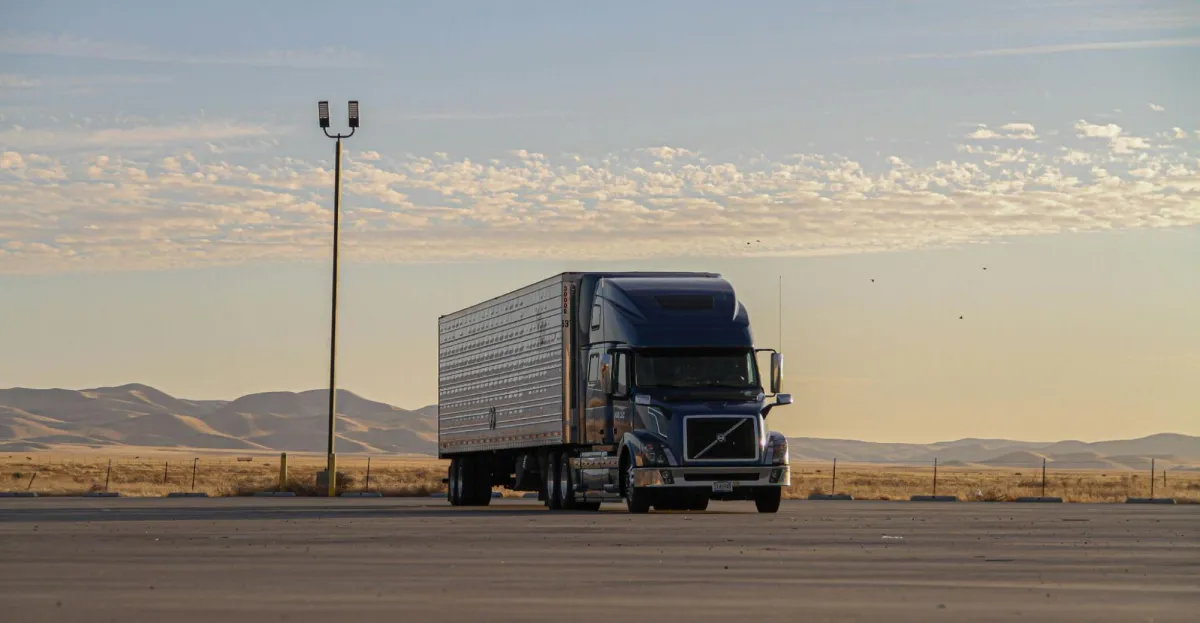
Professional truck hire services have transformed how Australian businesses approach their transport needs. These services provide access to commercial vehicles without the burdens of ownership.
Financial Advantages
Hiring converts fixed vehicle costs into variable expenses that scale with actual business activity. You pay for transport capacity when you need it rather than maintaining it constantly.
Cash flow improves dramatically when capital isn’t locked into depreciating vehicle assets permanently. These freed funds can drive business growth far more effectively than idle trucks.
Tax treatment of hire expenses often proves more favourable than depreciation schedules for owned vehicles. Consult accountants about the specific advantages applicable to your business situation.
Operational Benefits
Professional hire companies maintain their fleets to high standards ensuring reliability when you need it. Their business depends on vehicles performing flawlessly, so maintenance never gets deferred.
Access to diverse vehicle types means always having the right tool for each specific job. Rather than compromising with whatever you own, hire lets you match vehicles to requirements precisely.
Breakdowns become the hire company’s problem rather than disrupting your operations catastrophically. Replacement vehicles keep your projects moving while repairs happen elsewhere entirely.
Eliminating Hassles
Vehicle ownership involves countless administrative tasks consuming valuable time and attention. Registration renewals, insurance arrangements, and compliance requirements all demand ongoing management.
Hire arrangements transfer these responsibilities to specialists who handle them routinely efficiently. Your focus stays on core business activities rather than vehicle administration.
Storage requirements disappear entirely when vehicles return to hire depots after use. Valuable property space serves productive purposes instead of housing occasionally-used vehicles.
Who Benefits from Truck Hire
Diverse businesses and individuals find truck hire solutions valuable for different reasons. Understanding common use cases helps identify opportunities within your own situation.
Small and Medium Businesses
SMEs rarely generate consistent transport demands justifying dedicated vehicle ownership economically. Hire provides access to commercial capacity without the overhead that strains smaller operations.
Growing businesses particularly benefit from hire flexibility during expansion phases. Transport capacity can scale alongside business growth without large capital outlays.
Tradespeople and Contractors
Construction, landscaping, and trade businesses face variable transport needs across different projects. Some jobs require small utilities while others demand larger trucks for equipment and materials.
Hiring appropriate vehicles for each project optimises costs while ensuring adequate capacity always. The alternative of owning multiple vehicle sizes creates expensive redundancy.
Event and Project Managers
Events and special projects create temporary transport peaks that permanent fleets cannot justify. Equipment, supplies, and materials need moving for setup and pack-down periods only.
Hire arrangements perfectly match these short-term, intensive transport requirements cost-effectively. When events conclude, vehicle expenses end immediately without ongoing obligations.
Individuals and Families
Personal transport needs occasionally exceed what family vehicles can accommodate practically. Moving houses, collecting large purchases, and renovation projects all create temporary capacity needs.
Hiring trucks for these occasional requirements costs far less than maintaining larger personal vehicles. Most families need truck capacity only a few times annually at most.
Choosing the Right Hire Partner

Not all truck hire providers deliver equal value or service quality consistently. Selecting appropriate partners significantly impacts your transport experience and outcomes.
Fleet Quality and Variety
Quality providers maintain modern, well-serviced fleets across various vehicle categories. Diverse options ensure appropriate matches for different requirements and preferences.
Inspect vehicles before accepting them whenever possible for peace of mind. Reputable companies welcome such inspections as standard practice.
Pricing Transparency
Clear, upfront pricing prevents unpleasant surprises when invoices arrive after hire periods. Understand all charges including distance, time, insurance, and fuel arrangements completely.
Compare total costs rather than headline rates when evaluating different providers carefully. Hidden fees can make apparently cheap options more expensive than transparent competitors.
Support and Reliability
Responsive support matters enormously when issues arise during critical transport periods. Providers should be contactable and helpful throughout hire arrangements consistently.
Breakdown assistance and replacement vehicle policies indicate how providers handle problems practically. Understanding these procedures before hiring prevents stressful surprises during emergencies.
Convenient Locations
Pickup and return convenience affects total hire value significantly for many users. Locations near your base of operations reduce unproductive travel time considerably.
Extended hours and flexible arrangements accommodate business schedules that don’t match standard office hours. Weekend and after-hours access often proves essential for project-based users.
Making the Most of Hire Arrangements
Strategic approaches to truck hire maximise the value these services provide. Thoughtful planning and usage optimise outcomes for all hire occasions.
Planning Ahead
Advance booking secures preferred vehicles and often attracts better pricing arrangements. Last-minute requirements limit options and may incur premium charges.
Consider project timelines carefully when determining hire periods and vehicle needs. Accurate planning prevents both unnecessary expense and inadequate capacity.
Right-Sizing Vehicles
Resist the temptation to hire larger vehicles than tasks actually require unnecessarily. Oversized trucks cost more, use more fuel, and prove harder to manoeuvre.
Conversely, undersized vehicles create multiple trips that waste time and money. Honest assessment of actual requirements guides appropriate vehicle selection.
Understanding Terms
Read hire agreements thoroughly before signing to understand all obligations completely. Fuel policies, damage responsibilities, and return conditions all deserve attention.
Ask questions about anything unclear rather than assuming terms favour your interests. Clarity prevents disputes and ensures smooth hire experiences.
The Future of Flexible Transport
Transport flexibility will only become more important as business environments continue evolving. Economic pressures and sustainability concerns both favour hire over ownership models.
Sustainability Considerations
Shared vehicle fleets represent more efficient resource utilisation than individual ownership patterns. Fewer total vehicles serving more users reduces manufacturing and disposal impacts.
Professional fleets often feature newer, more efficient vehicles than aging owner-operated alternatives. Better environmental performance accompanies the financial and operational benefits.
Technology Integration
Digital booking systems and fleet management technologies continue improving hire experiences. Mobile apps, real-time availability, and streamlined processes enhance convenience constantly.
GPS tracking, electronic documentation, and automated billing reduce friction throughout hire arrangements. Technology makes flexible transport access increasingly seamless and efficient.
Conclusion
Smart transport solutions recognise that vehicle access matters more than vehicle ownership fundamentally. Hiring provides the capacity businesses and individuals need without the burdens ownership imposes.
Financial benefits, operational flexibility, and eliminated hassles combine to make hire arrangements attractive. These advantages apply across diverse users from major businesses to individual households.
Consider how flexible transport access might serve your needs more effectively than current arrangements. The right hire partner can transform how you approach transport challenges entirely.
Evaluate your transport requirements honestly and explore professional hire options available to you. Smarter transport solutions await those willing to think beyond traditional ownership models.


Leave a Reply