
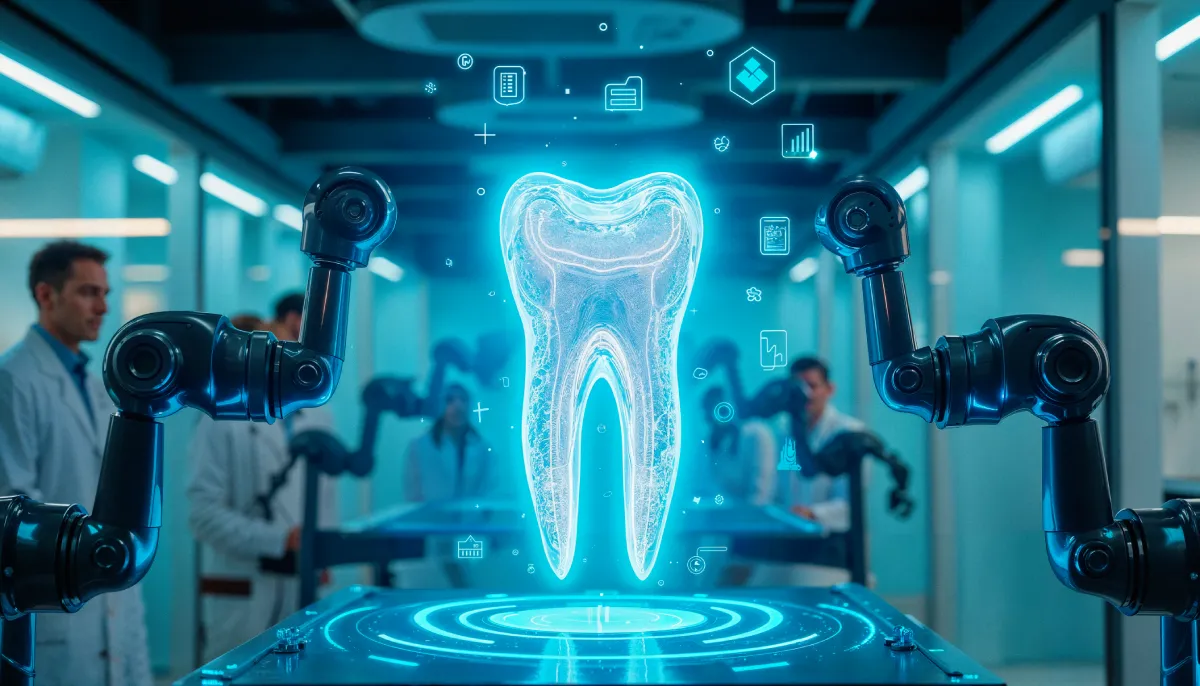
Technology and Precision in Modern Implant Dentistry
Advancements in dental technology have transformed the way tooth replacement procedures are performed. What once required lengthy treatment times and multiple stages can now be completed with greater accuracy, comfort, and predictability. Nowhere is this progress more evident than in the field of dental implants—a treatment that has evolved from a complex surgical procedure into a highly efficient and minimally invasive experience.
Modern technology not only improves the quality of results but also enhances patient comfort and confidence throughout every stage of care. At Center For Implant Dentistry, cutting-edge tools and digital systems are used to ensure every implant is placed with unmatched precision, leading to better function, aesthetics, and long-term success.
The Role of Digital Imaging in Implant Planning
One of the most significant advancements in implant dentistry is the use of digital imaging and 3D scanning. Traditional dental X-rays provide only limited, two-dimensional views of oral structures. In contrast, digital cone beam computed tomography (CBCT) scans create detailed, three-dimensional images of the mouth, jawbone, and surrounding tissues.
This technology allows dentists to see the exact position of nerves, sinuses, and bone density levels before performing surgery. With such clarity, implant placement can be planned with micromillimeter precision. It eliminates guesswork, minimizes risk, and ensures that each implant integrates perfectly with the patient’s anatomy.
Digital imaging also aids in communication. Patients can see their scans and understand the treatment process visually, building confidence in the procedure and their care provider.
Computer-Guided Surgery: Precision in Action
Computer-guided implant surgery represents another major step forward in modern dentistry. Using the digital data from CBCT scans, specialized software designs a virtual map of the patient’s mouth. The dentist can then plan the exact depth, angle, and location for implant placement before the surgery even begins.
This digital plan is transferred to a surgical guide—a custom-made template that fits over the patient’s teeth or gums. The guide ensures that each implant is placed precisely where it was planned, minimizing error and optimizing results.
The benefits are numerous: reduced surgical time, smaller incisions, less postoperative discomfort, and faster healing. For patients who may feel anxious about surgery, this level of precision provides reassurance that every detail has been carefully calculated.
The Rise of 3D Printing in Implant Dentistry
3D printing has revolutionized many industries, and dentistry is no exception. Today, 3D printers can create surgical guides, temporary crowns, and even models of a patient’s jaw within hours. This technology allows for same-day restorations and shorter overall treatment timelines.
For dental implants, 3D printing provides unmatched customization. Each surgical guide and restoration is designed based on the patient’s exact anatomy, ensuring a perfect fit. This precision reduces chair time, improves aesthetics, and enhances overall comfort.
3D-printed materials are also highly biocompatible, meaning they integrate seamlessly with the body and minimize complications. Combined with digital planning, this innovation brings both speed and accuracy to modern implant procedures.
Advanced Materials for Strength and Longevity
In addition to improved techniques, the materials used for implants and restorations have advanced significantly. Titanium remains the most common material for implant posts due to its strength and biocompatibility, but newer alloys and surface treatments have further improved its ability to bond with bone.
Zirconia implants have also gained popularity, offering a metal-free alternative for patients with sensitivities or aesthetic preferences. These materials are strong, durable, and resistant to corrosion, making them ideal for long-term results.
By using state-of-the-art materials, dentists can provide implants that not only last for decades but also blend naturally with the surrounding teeth.
Minimally Invasive Techniques and Faster Healing
Modern technology has made implant surgery less invasive than ever before. With digital planning and guided surgery, smaller incisions are used, reducing bleeding and swelling. This approach promotes faster recovery times and minimal discomfort after the procedure.
Some systems even allow for immediate loading, meaning patients can receive a temporary crown or denture on the same day as implant placement. This immediate restoration enhances both appearance and function while the implant heals.
Minimally invasive methods are especially beneficial for patients with dental anxiety. The streamlined process shortens appointments and ensures a smoother, more comfortable experience overall.
Improved Communication Through Digital Dentistry
Digital workflows also improve communication between dental teams and patients. Using advanced imaging software, dentists can show patients exactly how their treatment will progress—from implant placement to final restoration. These visual aids make complex procedures easier to understand and increase patient engagement.
For dental teams, digital records make collaboration seamless. Surgeons, lab technicians, and restorative dentists can share data in real-time, ensuring accuracy at every step. This integration leads to faster turnarounds and higher-quality results.
The Impact on Patient Confidence
For many patients, the thought of surgery can be intimidating. However, modern technology has replaced uncertainty with precision and predictability. Seeing detailed treatment plans and 3D visualizations gives patients peace of mind and confidence in their outcomes.
The ability to walk into the dental office and leave the same day with new teeth—thanks to innovations like immediate-load implants and guided surgery—has transformed the patient experience entirely. Technology now allows for a level of comfort and assurance that was once unimaginable in traditional implant procedures.
The Future of Implant Dentistry
The pace of innovation in dental implants shows no sign of slowing down. Artificial intelligence is beginning to assist in treatment planning, while robotics are enhancing the accuracy of surgical placement. Materials continue to evolve, becoming even stronger, lighter, and more natural-looking.
These advances not only improve the quality of restorations but also make implant treatment more accessible. Faster procedures, less invasive techniques, and predictable outcomes are driving more people to choose implants as their preferred solution for missing teeth.
For clinics like Center For Implant Dentistry, staying ahead of these developments ensures that patients always receive the most advanced care available. By combining technological precision with human expertise, they continue to set new standards in modern restorative dentistry.
Conclusion
The evolution of technology has transformed implant dentistry into a field defined by precision, efficiency, and patient comfort. From 3D imaging and guided surgery to advanced materials and digital workflows, every innovation contributes to better outcomes and faster recoveries.
With the expertise of Center For Implant Dentistry, patients benefit from the most advanced dental implants techniques available today. These innovations not only restore smiles but also enhance confidence, comfort, and overall quality of life—proving that the future of dentistry is already here.


Leave a Reply