
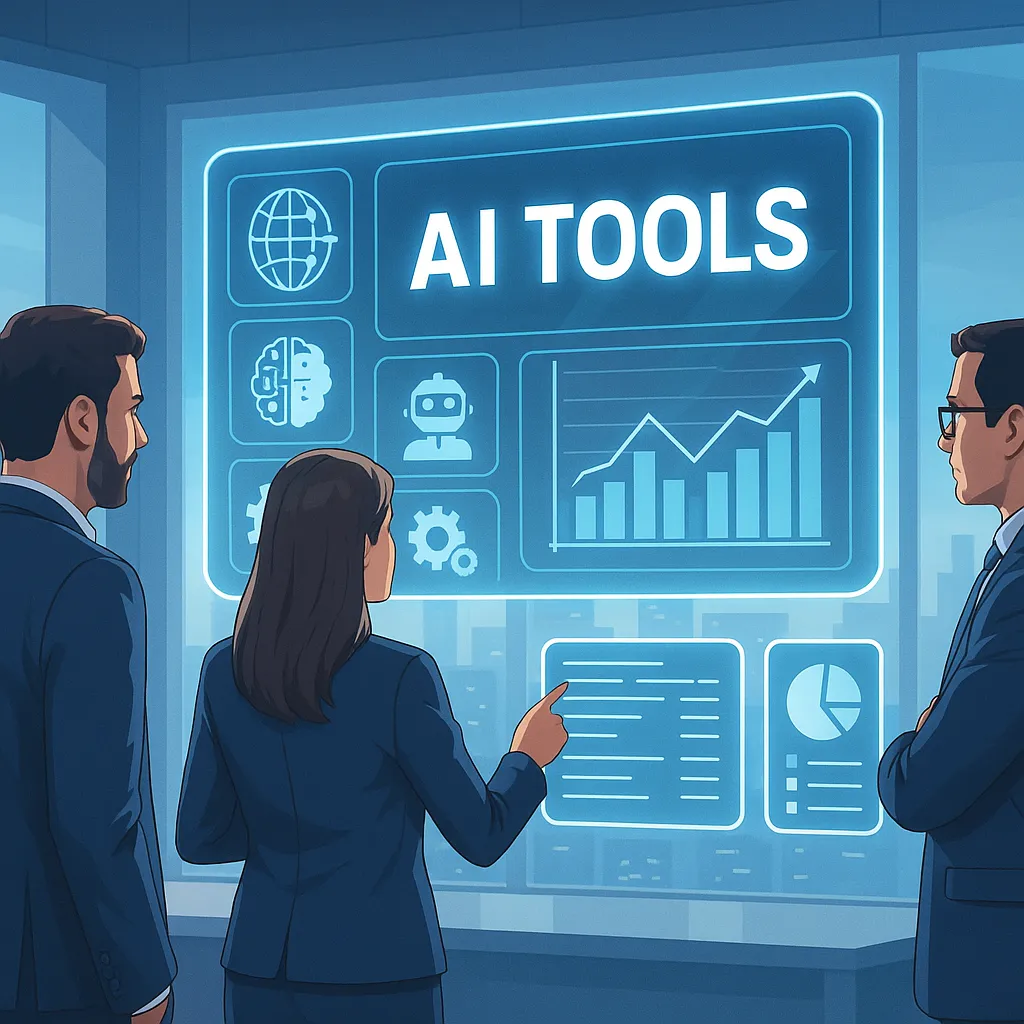
The Future of AI Tools: How Businesses Choose Smarter in 2025
Artificial intelligence has become more than a buzzword — it’s a force transforming every industry. From automated content creation and marketing analytics to software development and design, AI tools now shape how teams work, make decisions, and even create art.
According to Statista, the global AI software market is expected to surpass $300 billion by 2030, and the number of AI-based solutions available to businesses has grown by more than 400% since 2020. But with so many choices, one big challenge remains: how to choose the right tools.
The Challenge: A World Overflowing with AI Solutions
Hundreds of AI tools launch every month, each claiming to boost creativity or speed. No wonder businesses feel overwhelmed. That’s where a trusted AI Chatbot Development Company can guide them toward what truly works.
Typical problems include:
- Tools that look impressive in demos but underperform in real use.
- Overlapping features — three different apps solving the same problem.
- High subscription costs with unclear ROI.
- Poor integration with existing workflows.
In short, the question has shifted from “What AI tools exist?” to “Which ones actually deliver results?”
Smarter Discovery: Platforms That Simplify the Search
To help navigate this crowded landscape, curated AI directories and comparison platforms have become increasingly popular.
One such example is AIMarketCap — a platform that catalogs hundreds of AI tools, grouped by purpose and use case. It helps users:
- Browse AI solutions for design, coding, or marketing.
- Check descriptions, pricing, and reviews in one place.
- Compare alternatives and spot trends before they go mainstream.
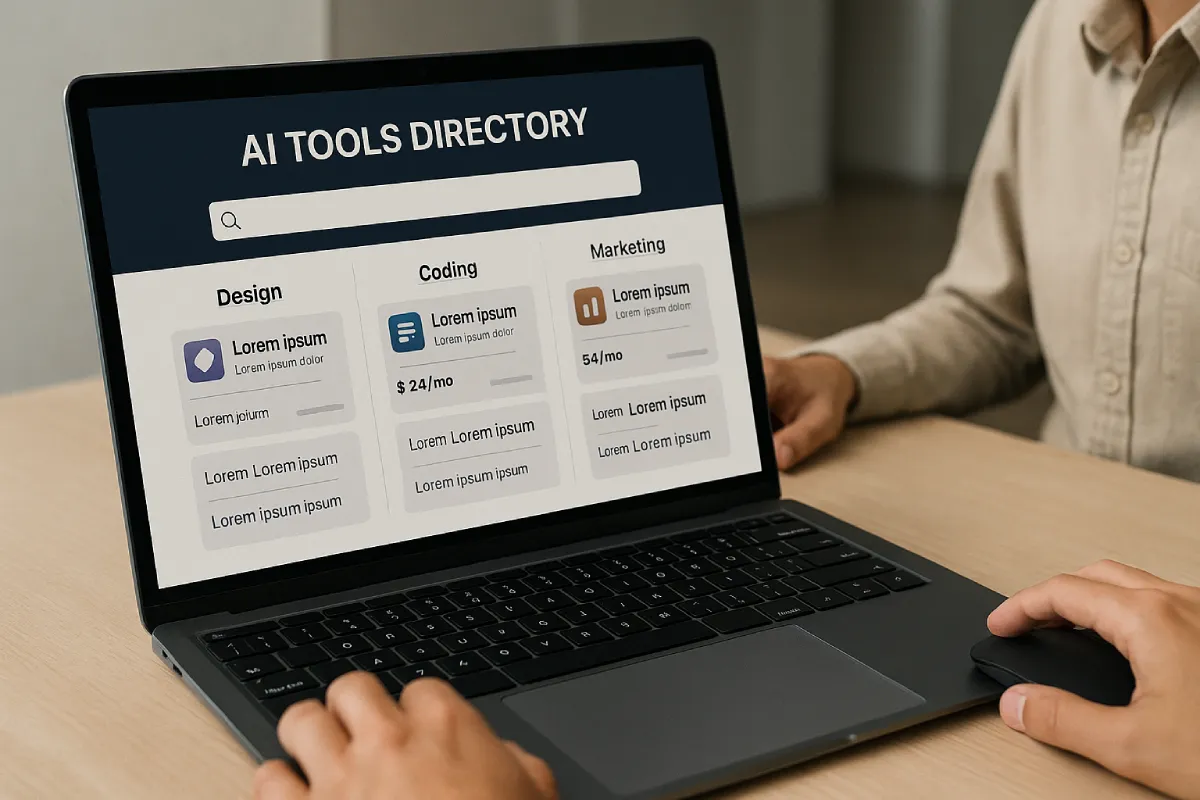
This type of transparent directory saves businesses hours of manual research and provides the context needed to make informed decisions. Instead of experimenting blindly, teams can now start with a clear overview of what’s available and what works.
How Companies Are Adapting Their AI Strategies
In 2025, organizations are learning to think of AI not just as a collection of tools, but as a core part of their AI in business strategy, shaping how teams innovate and scale. Here’s how the smartest businesses are approaching it:
- Building internal AI dashboards — tracking which tools employees actually use and how productive they are.
- Focusing on integration — choosing platforms that connect with CRM systems, project management software, and marketing stacks, including ATS integrations like Lever Integrations, to ensure seamless hiring and talent data flow.
- Balancing automation with creativity — using AI for repetitive tasks, but leaving space for human judgment and originality.
- Using discovery platforms like AIMarketCap to monitor new technologies and identify early adopters’ success stories.
- Upgrading outreach workflows — using platforms like Manyreach to automate cold email campaigns, personalize at scale, and protect sender reputation while improving reply rates.
Key Factors When Choosing an AI Tool
Before adding another subscription to your business expenses, it’s worth running each product through a short checklist:
✅ Integration
Does the AI tool work seamlessly with your existing software — or will it create extra friction?
✅ Data Privacy
Check for GDPR or local-law compliance. AI services that store user data outside the EU, for example, can pose hidden legal risks.
✅ Pricing and ROI
A lower monthly fee doesn’t always mean better value. Measure time saved or revenue generated versus subscription cost.
✅ Transparency
Reliable vendors clearly state what data their models use, what limitations exist, and whether results require human review.
✅ User Feedback
Independent directories and comparison hubs (such as AIMarketCap) often provide more trustworthy insights than product marketing pages.
The Rise of Responsible AI Adoption
Ethical and sustainable AI use is becoming a business priority. Modern companies not only want high-performance tools but also ones that:
- Reduce environmental impact through efficient computation.
- Avoid biased outputs that can harm brand reputation.
- Offer explainability — helping users understand why an algorithm made a decision.
Interestingly, directories like AIMarketCap and other AI review platforms are beginning to include such ethical indicators, helping companies align tech choices with their values.
Real-World Examples: Smarter AI Use in Action
- A creative agency in Lisbon uses AI-based design assistants to generate layouts, but human designers always approve the final version.
- An e-commerce startup relies on predictive analytics to optimize ads, selecting their software through an independent comparison tool.
- A mid-size law firm adopted document-review AI, saving 30 hours per week, after cross-checking several providers on public directories.
(Illustration suggestion #4)
Visual: collage of diverse professionals (designer, marketer, lawyer) working with AI dashboards.
Style: realistic office-photo montage, warm lighting.
From Chaos to Clarity — The Next Step for AI in Business
As AI continues to evolve, the market will reward platforms that simplify decision-making.
Tools like AIMarketCap represent this new stage — where technology is not only powerful but also discoverable, comparable, and measurable.
By 2025 and beyond, successful organizations will:
- Treat AI selection as part of their strategic planning.
- Use transparent comparison platforms instead of relying solely on marketing claims.
- Focus on ethical, efficient, and human-centered innovation.
The ultimate goal isn’t to automate everything — it’s to choose intelligently.
Artificial intelligence is no longer optional — it’s the new infrastructure of modern business.
But in a world flooded with tools and promises, companies must become smarter about their choices.
As we move into 2025, the winners won’t be those who adopt the most tools, but those who choose the right ones — thoughtfully, transparently, and strategically.


Leave a Reply