
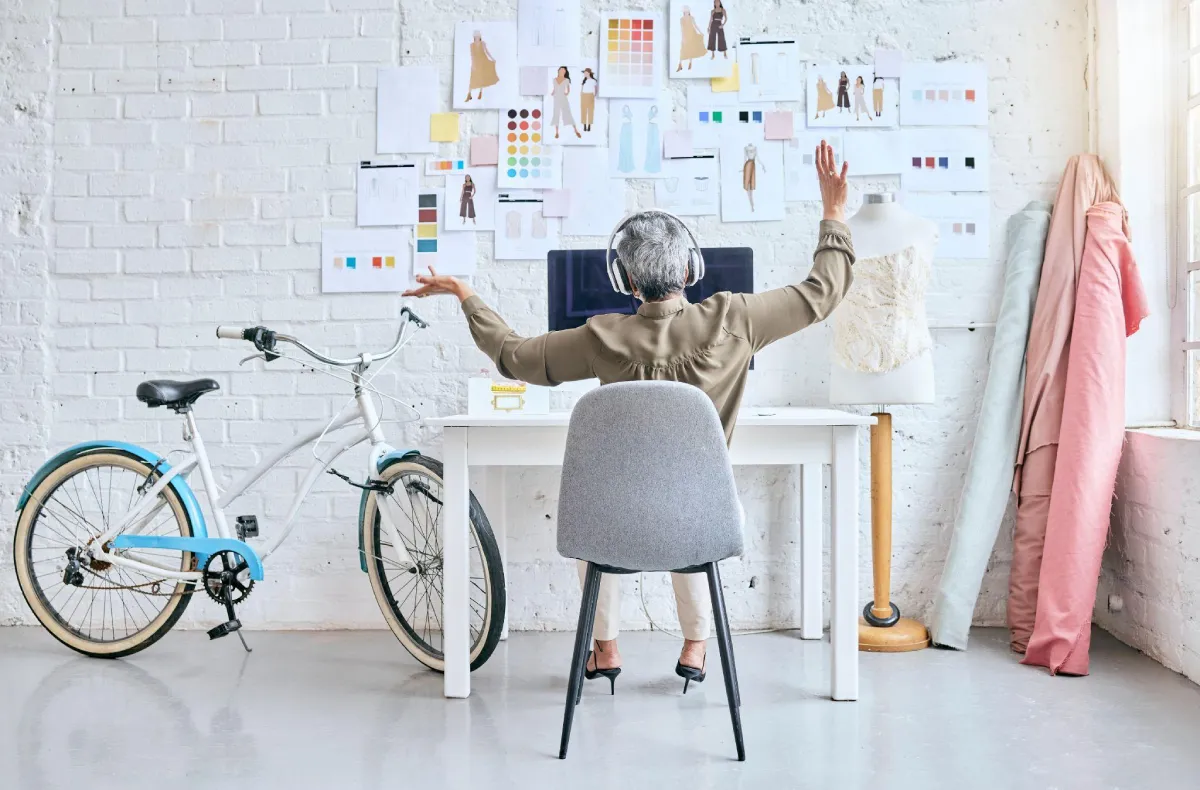
The Quiet Influence of Visual Order in Everyday Life
Most people don’t think of their surroundings as something that actively shapes their mood or decision-making, yet visual order plays a subtle role in how calm, focused, or distracted we feel throughout the day. From the way a workspace is arranged to how personal items are labeled, organized, or displayed, small visual cues influence how smoothly routines unfold. Even modest personal touches, such as using custom vinyl stickers on notebooks, storage containers, or reusable bottles, can make everyday objects easier to recognize and mentally categorize without conscious effort.
Visual order isn’t about perfection or minimalism for its own sake. It’s about reducing friction. When the eye can quickly interpret what belongs where, the mind spends less energy processing clutter and more energy staying present. This effect becomes especially noticeable in homes and workspaces that are shared, multifunctional, or constantly in use.
As lifestyles become more compressed and digitally saturated, physical environments are quietly taking on greater importance. The way things look, feel, and are structured can either support mental clarity or contribute to low-grade stress that accumulates over time.
How Materials Shape Visual Calm
One of the overlooked aspects of visual order is material choice. Texture, transparency, and reflectivity all affect how space is perceived. Clear surfaces, for example, allow objects to be seen without adding visual weight, which helps reduce the sense of clutter even when items are stored in plain sight.
This is why materials like clear vinyl fabric have found their way into everyday organization solutions, from protective covers to flexible storage inserts and craft projects that require durability without opacity. When used thoughtfully, transparent materials allow function without demanding attention. They serve a purpose while remaining visually quiet, which is often exactly what a busy environment needs.
Material transparency also supports faster visual processing. The brain doesn’t need to interpret layers of color or pattern to understand what it’s seeing. This principle is commonly used in product design, retail displays, and even medical environments, where clarity and quick recognition matter.
At home, similar logic applies. Spaces that balance visibility with restraint tend to feel calmer, even when they’re actively used. Rather than hiding everything away, thoughtful material choices allow items to exist visibly without overwhelming the eye.
Visual Systems and Cognitive Load
Cognitive load refers to the amount of mental effort required to process information at any given time. While it’s often discussed in relation to learning or digital interfaces, physical environments contribute to cognitive load just as much.
When visual signals are inconsistent, cluttered, or ambiguous, the brain works harder to make sense of them. Over time, this constant low-level effort can contribute to fatigue and reduced focus. Conversely, environments with consistent visual cues and predictable organization help conserve mental energy.
Research from Harvard Medical School has explored how cluttered environments can interfere with attention and task performance, noting that visual chaos competes for neural resources even when people believe they are ignoring it. This reinforces the idea that visual order isn’t merely aesthetic; it has measurable cognitive consequences.
Simple systems, repeated visual logic, and restrained material palettes all contribute to reducing this background noise. The goal isn’t to eliminate personality from a space, but to ensure that visual signals are intentional rather than accidental.
Personalization Without Overstimulation
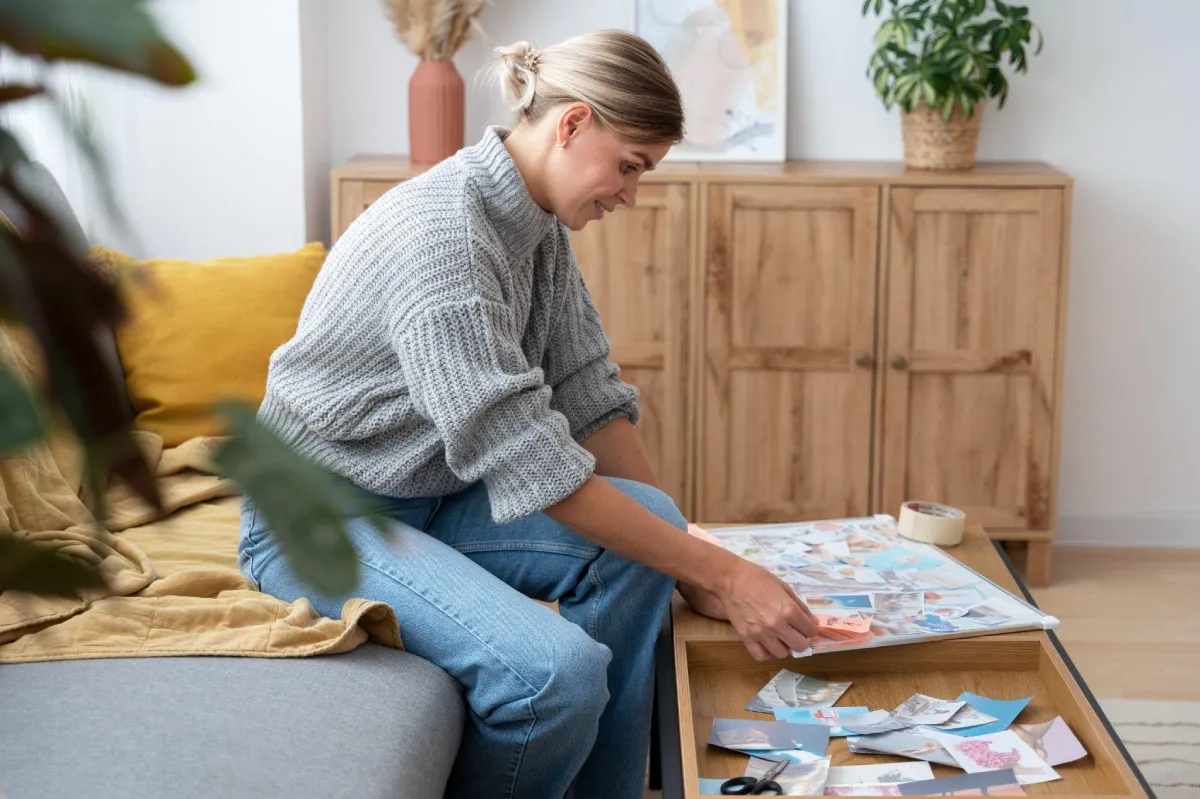
Personalization often gets framed as decoration, but it can also function as navigation. When personal items are visually distinct in a consistent way, they become easier to locate, return, and maintain. This is particularly useful in shared environments, where ownership and purpose can easily blur.
The key is restraint. Too many competing visual elements dilute the usefulness of personalization. A few intentional markers, repeated consistently, create recognition without clutter. This balance allows spaces to feel lived-in rather than chaotic.
In practical terms, this might mean labeling items in a uniform style, using similar materials across different areas, or repeating a small visual motif rather than introducing something new in every corner. Over time, these choices reduce friction because the brain learns the system and stops actively thinking about it.
The Emotional Side of Order
Visual order also has an emotional dimension. Environments that feel coherent tend to foster a sense of control and predictability, which can be grounding during stressful periods. This doesn’t require strict organization, but it does benefit from intentionality.
When spaces reflect how they’re actually used rather than how they’re “supposed” to look, they become easier to maintain. Maintenance itself is part of visual calm; systems that require constant correction eventually break down, adding frustration rather than relief.
This is why flexible solutions often outperform rigid ones. Materials and layouts that adapt to change support long-term order better than systems that only work under ideal conditions. Visual calm isn’t static; it’s responsive.
Why Small Choices Add Up
It’s easy to dismiss small visual decisions as insignificant, but their cumulative effect is substantial. Every repeated interaction with an object or space reinforces habits, expectations, and emotional responses. Over weeks and months, these micro-interactions shape how comfortable or strained daily life feels.
Thoughtful visual order doesn’t demand dramatic redesigns. It grows from paying attention to how spaces are actually experienced and adjusting details accordingly. Transparency where opacity isn’t needed. Consistency where variety adds no value. Personalization that clarifies rather than competes.
In a world filled with constant digital stimuli, physical environments that offer visual clarity become increasingly valuable. They don’t shout for attention. They quietly support it.


Leave a Reply