

The Streaming Revolution: How Technology is Reshaping the Way We Watch Sports
Remember when watching your favorite team play meant being glued to your couch at a specific time, hoping your cable wouldn’t cut out during the critical moment? Those days feel like ancient history now. The way we consume sports content has fundamentally transformed, and the shift happened faster than most of us realized. Today, fans expect to watch games on their terms: on any device, from anywhere, with crystal-clear quality that rivals or surpasses traditional broadcast television with crystal-clear quality that rivals or surpasses traditional broadcast television, much like the demand for high-quality sports photos that capture every moment with precision.
This transformation isn’t just about convenience. It represents a complete reimagining of sports media, fan engagement, and the business models that support professional athletics. For content creators, broadcasters, and sports organizations, understanding this evolution isn’t optional anymore. It’s the difference between staying relevant and getting left behind as audiences migrate to platforms that meet their modern expectations.
From Cable Boxes to Connected Devices
The death of traditional sports broadcasting has been predicted for years, yet it’s finally becoming reality. Cord-cutting accelerated dramatically over the past half-decade, with millions of viewers abandoning cable subscriptions in favor of streaming alternatives. The numbers tell a stark story: traditional sports viewership on cable networks has declined steadily, while digital streaming audiences have exploded.
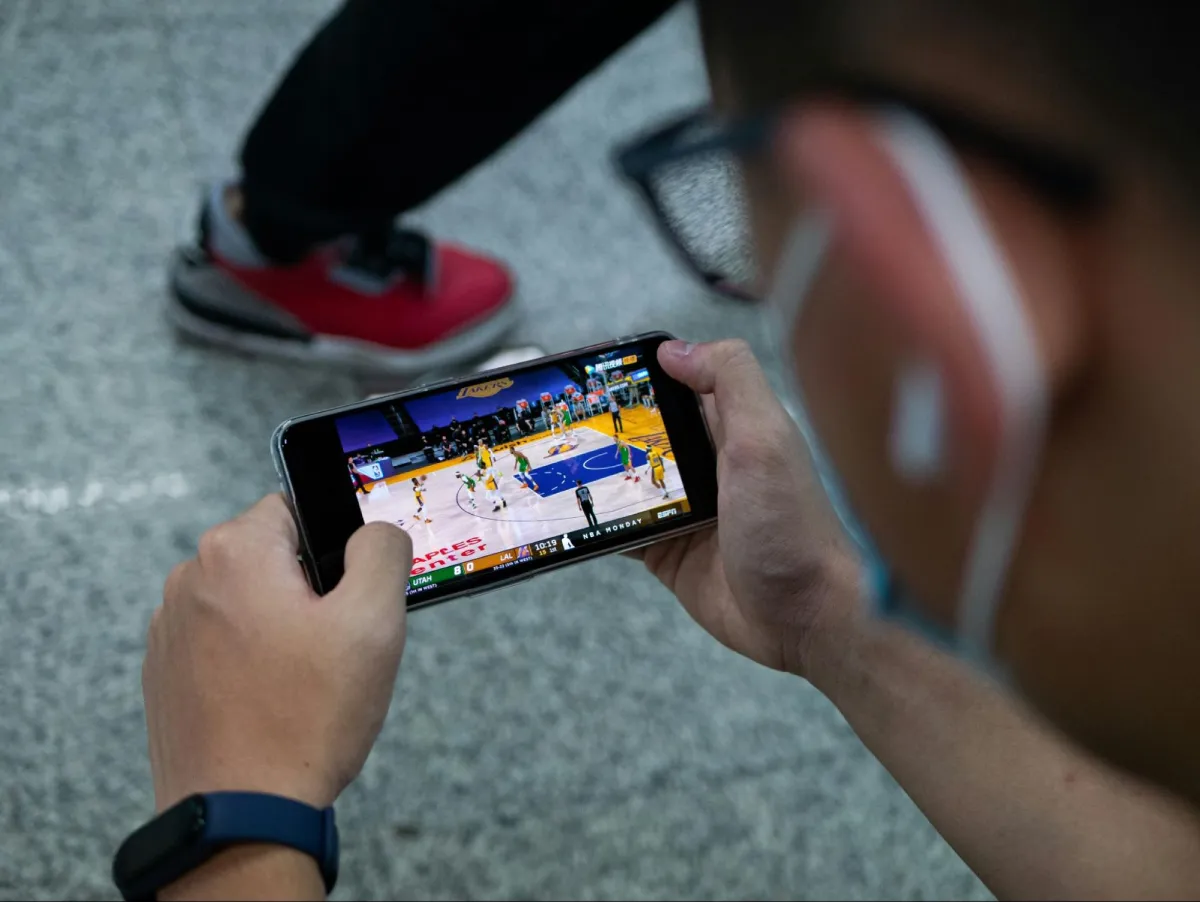
What drove this massive shift? Start with accessibility. Younger audiences, in particular, never developed the cable habit their parents had. Why pay for 200 channels when you only want to watch a handful of games? Streaming services offered a targeted alternative, letting fans subscribe only to what they actually wanted to watch. Add in the flexibility to watch on smartphones, tablets, or laptops, and the appeal becomes obvious.
Cost considerations played a significant role too. Traditional cable packages with comprehensive sports coverage could easily run $100 to $150 per month. Streaming alternatives started undercutting that dramatically, offering sports-specific packages at a fraction of the price. For budget-conscious fans, especially younger viewers managing student debt or starting their careers, the math was simple.
But the migration to streaming wasn’t just about saving money or gaining flexibility. It represented a fundamental change in how viewers wanted to engage with sports content. Traditional broadcasts were passive experiences: you watched what the network showed you, when they showed it, with the commentary team they assigned. Streaming platforms began offering interactive features that transformed viewing from passive consumption to active engagement.
Multiple camera angles, real-time stats overlays, integrated social media feeds, and customizable viewing experiences gave fans unprecedented control. Want to watch the game from the goalie’s perspective? Done. Need to see the advanced analytics for a specific player? It’s right there on your screen. This level of customization simply wasn’t possible with traditional broadcast infrastructure.
The Technical Leap: Quality That Rivals Traditional Broadcast
Early streaming services faced legitimate skepticism about quality. Buffering issues, pixelated video during high-action moments, and audio sync problems plagued early platforms. These technical hiccups reinforced the perception that streaming was acceptable for casual viewing but couldn’t match broadcast television for important games. That narrative has completely reversed.
Today’s streaming technology delivers quality that not only matches traditional broadcast but often exceeds it. The advancement in live sports broadcasting software has enabled production teams to create professional-grade streams with multiple resolution options, adaptive bitrate streaming that adjusts to viewer bandwidth, and latency reduction that brings live streams closer to real-time. These technical improvements removed the last major barrier preventing serious sports fans from embracing streaming as their primary viewing method.
Resolution options now routinely include 4K and even 8K streams for major events, delivering picture quality that surpasses what most cable providers offer. High dynamic range (HDR) support provides richer colors and better contrast, making the viewing experience more immersive. Frame rate improvements mean smoother motion during fast-paced action, eliminating the blur that plagued earlier streaming attempts.
Audio quality represents another area where streaming has leaped forward. Spatial audio and surround sound options create theater-like experiences in home environments. Multiple audio track options let viewers choose between different commentary teams or even ambient stadium sound without commentary. For international events, seamless language switching means fans worldwide can enjoy broadcasts in their preferred language without separate streams or complicated setup.
Latency, the delay between real-world events and what viewers see on screens, dropped dramatically as infrastructure improved. Early streams might lag 30 to 60 seconds behind live action, creating awkward situations where neighbors watching traditional broadcasts would react to plays before streaming viewers saw them. Modern platforms have reduced this gap to just a few seconds, and some achieve near-parity with traditional broadcasts.
Reliability during peak viewing times was perhaps the biggest technical hurdle. When millions of viewers simultaneously tune in for major events like championship games or playoff matches, infrastructure gets stress-tested in ways that reveal weaknesses. Cloud-based distribution networks and content delivery systems evolved specifically to handle these surges, ensuring that increased viewership doesn’t degrade the experience for anyone.

Changing the Business Model: New Revenue Streams and Opportunities
The shift to streaming disrupted more than just viewing habits. It fundamentally altered the economics of sports media, creating both challenges and opportunities for leagues, teams, and broadcasters. Traditional revenue models built on advertising and cable subscription fees required complete rethinking as audiences migrated to platforms with different monetization approaches.
Direct-to-consumer streaming changed the relationship between sports properties and fans. Instead of negotiating massive contracts with television networks that then sold advertising to recoup costs, leagues and teams could potentially reach audiences directly. This disintermediation promised higher margins but also shifted risk, requiring sports organizations to develop capabilities in content production, platform management, and customer service they’d never needed before.
Subscription models offered predictable recurring revenue that traditional advertising couldn’t match. Rather than hoping enough viewers tuned in to satisfy advertisers, platforms could count on steady income from monthly subscribers. This stability enabled long-term planning and investment in production quality, creating a virtuous cycle where better content justified higher subscription prices.
Advertising didn’t disappear, but it evolved. Traditional commercial breaks felt increasingly archaic to streaming audiences accustomed to on-demand, ad-free content. Platforms experimented with less intrusive advertising formats: sponsored overlays, product placements integrated into broadcasts, and targeted ads that felt more relevant to individual viewers. Some services offered ad-supported and ad-free tiers, letting viewers choose between lower costs with ads or premium pricing for uninterrupted viewing.
Gambling integration emerged as a significant new revenue opportunity as sports betting legalization spread. Streaming platforms could integrate live odds, betting interfaces, and real-time updates directly into viewing experiences. This convergence of watching and wagering created engagement that went far beyond passive viewing, though it also raised important questions about responsible gambling promotion.
International expansion became dramatically easier with streaming infrastructure. Traditional broadcast rights negotiations involved complex territory-by-territory deals, often leaving fans in certain regions unable to access content legally. Streaming platforms could potentially offer global access with appropriate licensing, vastly expanding potential audiences and revenue opportunities.
Data collection capabilities gave streaming platforms advantages traditional broadcasters never had. Understanding exactly what viewers watched, when they tuned in and out, which features they used, and how they engaged with content provided insights that informed everything from production decisions to marketing strategies. This data became valuable not just for improving the platform but also for demonstrating value to advertisers and sponsors.
The Fan Experience: Beyond Just Watching
Modern sports streaming transformed spectating from a one-dimensional experience into something far more interactive and personalized. Fans no longer simply watch games; they customize, interact, and engage in ways that create deeper connections to the sports and teams they love.
Social integration turned solitary viewing into communal experiences, even when fans were physically separated. Integrated chat features, reaction buttons, and shared viewing parties let friends connect during games regardless of geography. Twitter feeds, Instagram stories, and TikTok clips flowed alongside the main broadcast, creating layers of commentary and reaction that enhanced rather than distracted from the core content.
Fantasy sports integration became seamless. Viewers could track their fantasy players with dedicated overlays, receive notifications about relevant plays, and switch between games based on fantasy implications. This integration kept fans engaged across multiple games simultaneously, increasing overall platform usage and satisfaction.
On-demand highlights and instant replay features gave viewers VCR-like control over live events. Miss a great play because you stepped away? Rewind and watch it again. Want to see that controversial call from multiple angles? The controls are right there. This flexibility meant viewers never had to compromise between watching live and catching every important moment.
Multi-view options let serious fans watch multiple games simultaneously, particularly valuable during tournament-style events or when multiple games affect playoff standings. Picture-in-picture modes, split screens, and quick switching between feeds meant never missing critical action across different matchups.
Personalization extended to notification preferences, allowing fans to receive alerts for specific events: when their favourite player enters the game, when a team scores, when a game reaches a critical moment. These customizable notifications meant fans could go about their day while staying connected to what mattered most to them.

Looking Forward: What’s Next for Sports Streaming
The evolution of sports streaming continues accelerating, with emerging technologies promising even more dramatic changes to how we experience athletic competition. Virtual and augmented reality represent the next frontier, potentially transforming viewers from passive observers into virtual participants positioned anywhere in the venue.
Imagine watching a basketball game from courtside seats, or positioning yourself behind the goal for a soccer match, all from your living room through VR headsets. Early experiments in VR sports broadcasting show promise, though mainstream adoption awaits improvements in headset comfort, resolution, and content availability. As the technology matures, the line between attending games in person and watching remotely could blur significantly.
Artificial intelligence will play an increasingly important role in both production and personalization. AI-powered cameras that automatically follow action, intelligent highlight generation that identifies and packages key moments instantly, and predictive analytics that anticipate what viewers want to see next will make broadcasts smarter and more responsive.
Interactive wagering experiences will likely become standard features rather than experimental additions. As sports betting continues expanding legally, the integration of viewing and betting will deepen, creating new hybrid experiences that combine spectating with participation. Responsible gambling features and age verification will need to evolve alongside these integrations to prevent potential harms.
5G networks promise to eliminate remaining quality and latency concerns, enabling high-quality streaming even in mobile environments. Fans could watch games in true 4K quality while commuting, attending events, or traveling, with no concern about buffering or degraded video. This mobile-first viewing could further shift consumption patterns away from traditional television entirely.
Blockchain and NFT integration might transform how fans collect and trade memorabilia, with authenticated digital collectibles from specific games or moments becoming new revenue streams. While speculation currently dominates this space, legitimate use cases for verified digital memorabilia could emerge as the technology matures and finds practical applications beyond hype.
Conclusion: Streaming is the Present, Not the Future
The transition from traditional sports broadcasting to streaming platforms is no longer emerging; it’s established reality. Viewers have voted with their subscriptions and viewing habits, choosing platforms that offer flexibility, quality, and interactivity over the one-size-fits-all approach of traditional television.
For sports organizations, broadcasters, and content creators, adapting to this new landscape isn’t about preparing for eventual change. It’s about optimizing for current reality. The platforms and technologies enabling high-quality sports streaming have matured beyond experimental phases into reliable, scalable solutions that meet and exceed viewer expectations.
Audiences won’t backtrack to less convenient, less interactive, and less personalized viewing experiences. The genie is out of the bottle, and fans now expect control over when, where, and how they watch sports. Organizations that recognize this shift and invest in providing excellent streaming experiences will thrive. Those that cling to outdated models or treat streaming as secondary to traditional broadcasting will find their audiences dwindling and their relevance fading.
The beauty of this transformation is that everyone can win. Fans get better, more personalized experiences. Sports organizations gain new revenue streams and deeper audience insights. Technology providers continue innovating to solve remaining challenges. The next decade of sports viewing promises to be more engaging, accessible, and exciting than anything we’ve experienced before.


Leave a Reply