
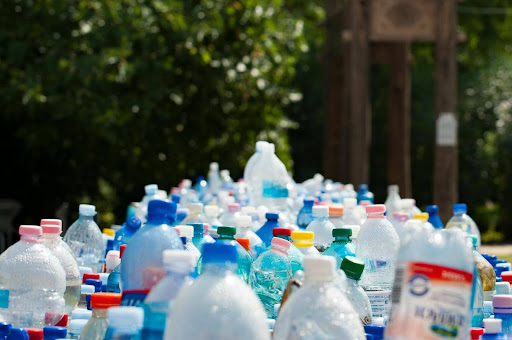
Tips for Efficient Bottle Returns in Calgary
Recycling in Calgary is not only an environmentally responsible practice but also an opportunity to make a tangible impact on waste reduction and resource conservation. Every year, Calgarians return millions of bottles and cans, playing an essential role in keeping the city clean and sustainable. However, many people still struggle with making the process more efficient — from sorting containers to managing time at depots.
By understanding how local recycling systems work and following a few key strategies, residents can make their bottle return process smoother, faster, and more rewarding. Whether you’re an occasional recycler or a regular visitor to a Calgary bottle depot, these tips can help you recycle effectively while saving time and effort.
The Importance of Efficient Bottle Returns
Recycling beverage containers isn’t just about convenience — it’s about responsibility. Alberta’s deposit-refund system motivates residents to return bottles and cans by offering a small refund for each eligible container. This simple incentive drives one of the highest recycling rates in Canada.
However, efficiency matters. When containers are properly sorted, clean, and organized, it benefits everyone involved — from individuals to recycling facilities. Efficiency ensures that:
- Containers are processed quickly at depots.
- Less contamination occurs, improving recycling quality.
- Lines move faster, reducing wait times for all customers.
- The environmental benefits of recycling are maximized.
Using a bottle depot in Calgary is one of the best ways to support the city’s recycling goals. With some preparation, your visits can become seamless and even enjoyable.
Step 1: Understand What Can Be Recycled
Before making your trip, it’s important to know which containers are eligible for a refund. Alberta’s recycling system accepts a wide range of beverage containers, including:
- Plastic bottles – for water, juice, soda, and milk.
- Aluminum cans – for beer, soft drinks, and energy drinks.
- Glass bottles – for spirits, wine, and beer.
- Tetra Pak cartons – for milk, juice, and specialty beverages.
- Metal containers – for juices or ready-to-drink teas.
Each container has a deposit value, typically 5 cents for small containers (1 litre or less) and 10 cents for larger ones (over 1 litre). Knowing these details helps you determine how much you’ll receive back and avoid bringing in non-refundable items.
Most Calgary Bottle Depot locations post clear lists or signage showing accepted materials. Checking in advance prevents unnecessary trips or confusion when you arrive.
Step 2: Clean and Prepare Your Containers
One of the most overlooked yet important steps in recycling is cleaning containers. A simple rinse can make a huge difference. Here’s why:
- Hygiene: Clean bottles prevent unpleasant odours and pests.
- Efficiency: Staff can process clean containers faster.
- Quality: Less contamination ensures high-quality recyclable materials.
- Storage: Clean items are easier to store at home before returning.
Tips for preparation:
- Empty and rinse all bottles and cans.
- Remove straws and caps when possible (unless requested otherwise).
- Allow containers to dry to prevent mould or stickiness.
- Flatten plastic bottles if allowed by your depot — it saves space.
This small effort ensures smoother service when you visit a Bottle Depot, saving both time and hassle.
Step 3: Sort Your Containers Before Arrival
Sorting is one of the best ways to make your depot visit more efficient. Instead of sorting on-site, do it at home ahead of time. Most depots accept multiple types of materials, so separating them beforehand ensures quick processing.
Sort containers by:
- Material type (glass, plastic, aluminum, or cartons).
- Size category (under 1 litre vs. over 1 litre).
- Colour (for glass bottles if required).
Use reusable bags or bins to keep each type organized. Clearly label them for convenience. When you arrive, you can quickly hand over each group instead of unpacking everything at once.
Some depots even provide sorting bags for customers — inquire during your next visit to a Calgary Bottle Depot for easy organization.
Step 4: Choose the Right Time to Visit
Timing can significantly affect your experience at the depot. Peak times often lead to longer waits, while visiting during off-hours makes the process quicker.
Best times to visit:
- Weekday mornings (especially mid-week).
- Late afternoons on weekdays.
- Avoid weekends or immediately after holidays when traffic is heavy.
Checking local hours and peak schedules online before heading out can save you a lot of time. Some Bottle Depots also offer online queue updates or appointment systems for added convenience.
Step 5: Know How the Refund System Works
Alberta’s deposit-refund program is simple but effective. Each beverage container you purchase includes a refundable deposit. When you return the container to a depot, you receive that deposit back.
Here’s a quick summary of how it works:
- Buy a beverage and pay a small deposit.
- Finish the drink and save the container.
- Bring it to a Bottle Depot.
- Staff count and sort containers by type and size.
- You receive your refund based on the deposit value.
Refunds are typically provided in cash, though some depots offer digital options or e-transfer. It’s a quick, eco-friendly way to earn a little extra while contributing to sustainability.
Step 6: Use Bottle Drives for Larger Returns
If you regularly collect large quantities of containers, consider organizing or participating in bottle drives. These are community-based collection initiatives where groups gather large numbers of bottles and cans to raise funds for causes such as schools, charities, or local sports teams.
Bottle drives not only promote recycling but also bring the community together for a common purpose. By partnering with your local Bottle Depot Calgary, you can simplify the collection process — depots often help with pickup services, sorting guidance, and refund management.
For households, participating in bottle drives can be a convenient way to clear out large quantities at once rather than visiting the depot multiple times.
Step 7: Store Containers Properly Between Visits
Not everyone visits the depot weekly. If you collect containers over time, proper storage prevents mess and damage.
Tips for effective storage:
- Use bins or large bags designated for each material type.
- Keep containers dry and clean to avoid odours.
- Store in a cool, shaded area to prevent heat buildup in plastic bottles.
- Avoid overfilling bags — it can cause breakage or leaks.
Establishing a small sorting station in your garage, basement, or balcony can make the entire process more organized and manageable.
Step 8: Teach Family Members and Children
Recycling is a habit best learned early. Teaching children to rinse bottles, separate materials, and understand the value of deposits fosters lifelong environmental responsibility.
Turning recycling into a family routine also divides the workload and makes the experience more enjoyable. Some families even use refund money to support small rewards or community causes, reinforcing positive behaviour.
Schools across Calgary also encourage participation in bottle return programs as part of their environmental education. By returning containers together, families help both the planet and the next generation.
Step 9: Stay Informed About Recycling Updates
The recycling industry in Alberta continues to evolve. New materials are added to deposit programs, and technological innovations are improving how depots operate.
Stay informed by:
- Visiting local Bottle Depot websites for news and updates.
- Following the Alberta Beverage Container Recycling Corporation (ABCRC) for recycling guidelines.
- Checking for new deposit rates or eligible materials.
Knowing the latest updates ensures you always recycle correctly and efficiently.
Environmental Benefits of Returning Bottles
Each bottle returned to a Bottle Depot Calgary contributes directly to environmental preservation. The impact is measurable and meaningful:
- Reduced landfill waste: Millions of bottles are diverted from waste sites annually.
- Energy conservation: Recycling aluminum and glass requires less energy than producing new materials.
- Lower emissions: Less manufacturing equals fewer greenhouse gases.
- Protection of wildlife: Proper recycling prevents littering and pollution in rivers, parks, and natural areas.
Every individual contribution helps Calgary maintain its reputation as one of Canada’s cleanest and most sustainable cities.
The Community Connection
Bottle Depots aren’t just facilities — they’re community partners. They provide job opportunities, support fundraising, and promote environmental awareness. Many depots collaborate with schools, charities, and local organizations to encourage recycling drives and green initiatives.
By supporting your local Calgary Bottle Depot, you help strengthen this community ecosystem. Recycling becomes more than a chore — it becomes a shared effort that benefits everyone.
Future of Bottle Recycling in Calgary
Technology continues to make recycling smarter and more efficient. Many depots now use automated counting systems, real-time refund processing, and enhanced sorting technology to improve customer experience.
In the near future, Calgary residents can expect even greater convenience through:
- Digital refund options (via apps or cards).
- Self-serve kiosks for faster returns.
- Expanded container eligibility.
- Advanced sustainability programs to reduce carbon footprints.
These advancements will make recycling more seamless while keeping environmental goals at the forefront.
Conclusion
Recycling in Calgary is more than just returning empty bottles — it’s an investment in a cleaner, greener future. By preparing your containers, sorting them efficiently, and using your local Calgary Bottle Depot wisely, you contribute to both environmental sustainability and community well-being.
Efficient bottle returns save time, conserve resources, and help reduce waste. With a little preparation and awareness, every Calgarian can make the most of their recycling efforts.
From individuals to families, schools to businesses, the collective impact of returning bottles continues to shape a more sustainable Alberta — one container at a time.


Leave a Reply