
Understanding the Metal Extrusion Manufacturing Process 2025
Metal extrusion is a manufacturing method that shapes metal by forcing it through a die. This process produces a long piece with a consistent cross-section. It works for many metals and allows for a wide range of shapes, from simple rods to complex profiles used in advanced engineering.
Metal extrusions manufacturers play a key role in industries such as construction, transportation, and electronics. By adjusting the process, they can meet the demands of both high volume production and custom orders.
How the Metal Extrusion Process Works
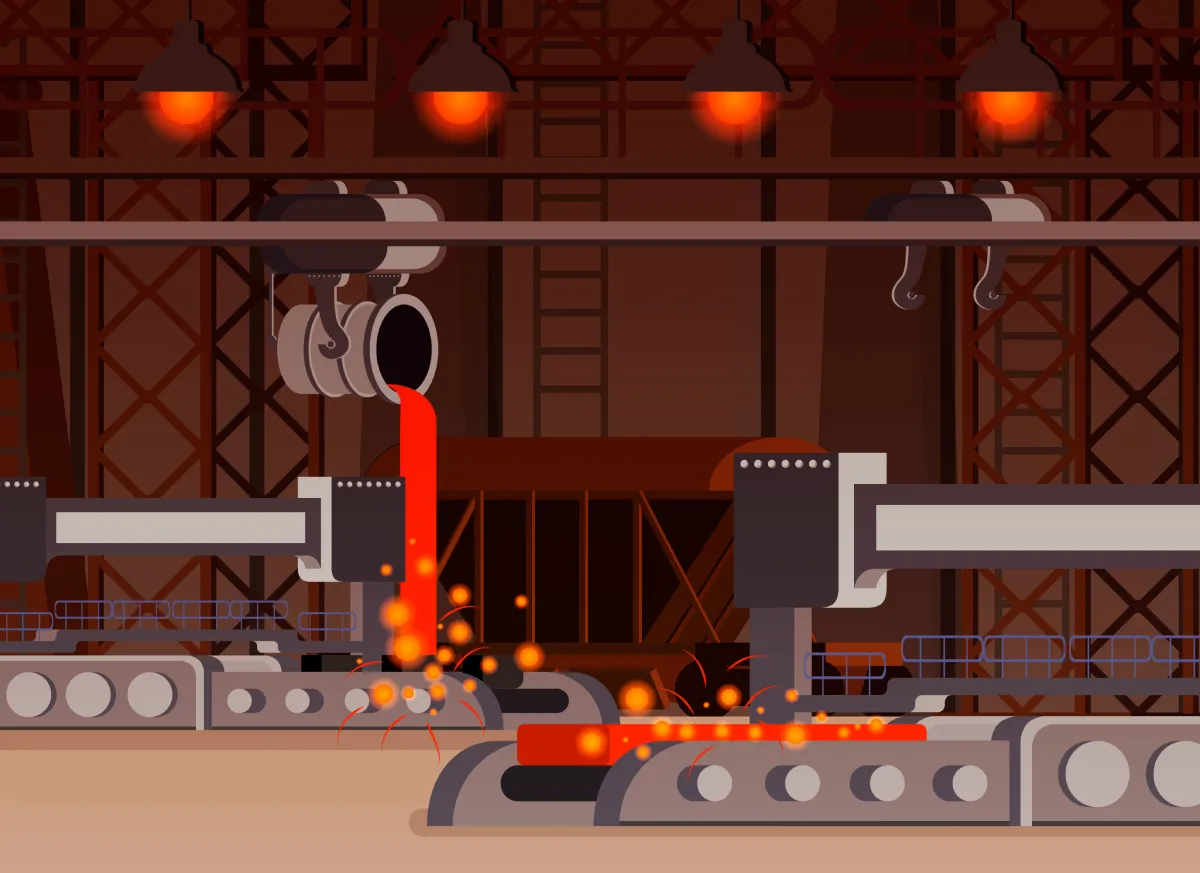
The process starts with a metal billet, which is a solid piece of material. The billet is heated to make it easier to shape, although some metals can be extruded at room temperature. The heated billet is placed into an extrusion press, where a ram pushes it through a shaped die. The metal takes the shape of the die opening as it passes through.
The finished length is then cooled, straightened if needed, and cut to the required size. Depending on the application, the extruded piece may undergo further processing such as heat treatment, machining, or surface finishing.
Types of Metal Extrusion
Hot Extrusion
This method involves heating the billet to a temperature where the metal becomes soft enough to flow easily. Hot extrusion reduces the force needed to shape the metal and allows for more complex profiles. Aluminum, copper, and steel are often extruded this way.
Cold Extrusion
In cold extrusion, the billet is at or near room temperature. This method produces parts with excellent surface finish and improved strength due to strain hardening. It is often used for aluminum, copper, lead, and tin.
Warm Extrusion
Warm extrusion falls between hot and cold methods. It offers a balance between material strength and ease of forming. It is useful when a part needs better surface quality than hot extrusion can provide but still requires less force than cold extrusion.
Direct Extrusion
Direct extrusion pushes the billet directly toward the die. This is the most common method and works well for many shapes and materials.
Indirect Extrusion
In indirect extrusion, the die moves toward the billet instead of the billet moving toward the die. This method reduces friction and extends tool life, but it is less common because the equipment is more complex.
Common Materials for Metal Extrusion
Aluminum
Aluminum is one of the most common materials for extrusion. It is lightweight, corrosion-resistant, and easy to shape. Aluminum extrusions are used in window frames, heat sinks, and automotive parts.
Copper
Copper’s excellent electrical and thermal conductivity make it ideal for electrical busbars, wiring components, and cooling systems.
Steel
Steel extrusions are strong and durable. They are used in heavy-duty applications like construction supports, rail tracks, and industrial machinery.
Magnesium
Magnesium is lightweight and used in aerospace and automotive parts where weight reduction is important. It requires careful handling due to its reactivity.
Titanium
Titanium offers high strength, corrosion resistance, and low weight. It is used in medical implants, aerospace components, and marine equipment.
Applications of Metal Extrusions
Metal extrusions have a wide range of uses. Their ability to create custom shapes makes them valuable in many industries.
Construction
Aluminum extrusions are common in building frames, curtain walls, and railings. Steel extrusions provide strength for structural supports.
Transportation
Extrusions are used in vehicle frames, engine components, and trim. Lightweight aluminum extrusions help improve fuel efficiency in cars, trucks, and trains.
Electronics
Copper and aluminum extrusions form heat sinks and electrical connectors, helping manage heat and maintain conductivity.
Aerospace
Titanium and aluminum extrusions meet the strength-to-weight ratio requirements for aircraft parts, landing gear, and cabin frames.
Industrial Equipment
Steel and aluminum extrusions create machine frames, conveyor systems, and safety guards.
Benefits of the Extrusion Process
- Design flexibility for complex and customized shapes
- Efficient material use with minimal waste
- Consistency in producing long pieces with uniform cross-sections
- Ability to work with many metals to suit different requirements
- Enhanced properties through heat treatment and finishing
Metal extrusions manufacturers use these advantages to serve industries with diverse needs, from mass production of standard profiles to small runs of specialized designs.
Quality Considerations
The quality of an extrusion depends on factors such as billet preparation, die design, temperature control, and press operation. Surface defects, dimensional variations, or internal flaws can occur if the process is not managed correctly.
Experienced metal extrusions manufacturers monitor each stage closely. They use inspection tools to measure dimensions, check surface finish, and test mechanical properties. This ensures the product meets specifications and performs well in its intended application.
Choosing the Right Manufacturer
Selecting the right supplier is important for achieving the desired results. When evaluating metal extrusions manufacturers, consider:
- Experience with your industry to ensure they understand specific requirements
- Material expertise for the metals you plan to use
- Capability for custom shapes if your design is non-standard
- Quality control systems to maintain consistency
- Lead times and production capacity to meet your schedule
The right partner will help you optimize designs, choose suitable materials, and manage production efficiently.
Sustainability in Metal Extrusion
Many metals used in extrusion can be recycled without losing quality. Aluminum, in particular, is highly recyclable, and using recycled material can significantly reduce energy consumption. Metal extrusions manufacturers that focus on sustainability may use recycled feedstock, energy-efficient presses, and waste-reduction practices. This benefits both the environment and long-term production costs.
Trends in Metal Extrusion
Advances in die technology and computer simulation are improving the precision and speed of extrusion processes. Some manufacturers are integrating automation for billet loading, cutting, and finishing, which increases efficiency and reduces handling errors. New alloys are also expanding the capabilities of extrusion. High-strength aluminum and corrosion-resistant steels allow for more demanding applications.
Practical Tips for Working With Extrusions
If you are designing a product that will use extruded parts, keep in mind:
- Simpler shapes are often easier and less expensive to produce
- Uniform wall thickness helps avoid defects
- Allowing for standard tolerances can reduce production costs
- Surface finish requirements should be specified early to avoid extra processing later
Final Thoughts
Metal extrusion is a versatile and efficient process that serves industries worldwide. From lightweight aluminum window frames to heavy duty steel supports, extrusions provide strength, precision, and flexibility.
By understanding the types of extrusion, the range of materials, and the many possible applications, both beginners and professionals can make better decisions when sourcing these products. Partnering with experienced metal extrusions manufacturers ensures the process runs smoothly and the results meet the highest standards.


Leave a Reply