
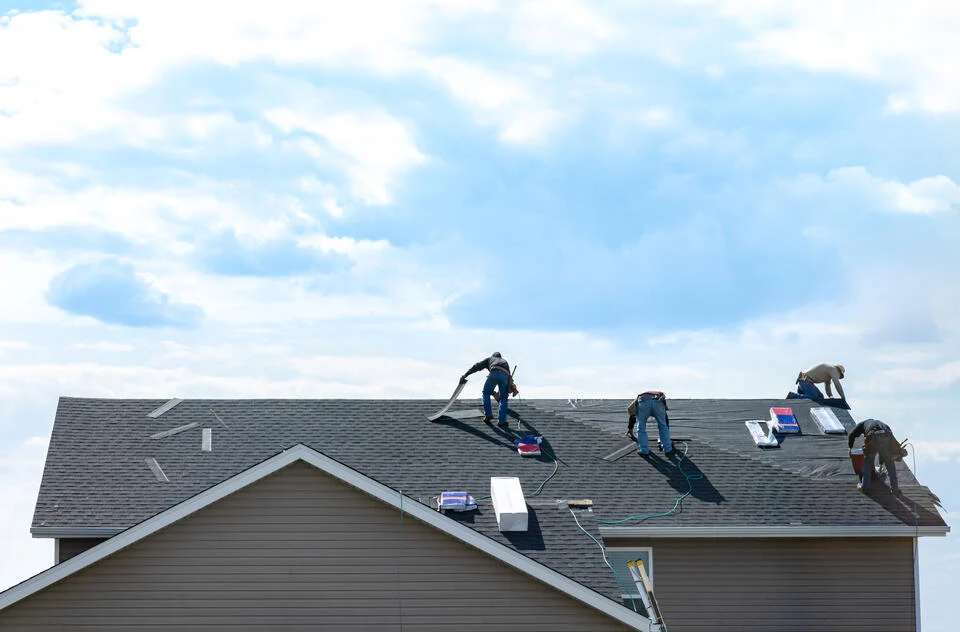
What homeowners should expect before, during, and after roof installation
A roof installation is a major project that affects the comfort and safety of a home. Many homeowners feel unsure because they have never been through the process before. Knowing what to expect helps reduce stress and allows for better planning. Clear expectations also help homeowners communicate better with their contractor.
The roof installation process is not just about placing new materials on top of a house. It involves preparation, timing, inspections, and cleanup. Each stage plays an important role in how well the roof performs over time. When homeowners understand these stages, surprises are less likely to happen.
Experienced contractors like Upright Roofing and Construction often spend time educating homeowners before work begins. This guidance helps homeowners feel confident and prepared from the first inspection to the final walkthrough.
Preparing for roof installation
Preparation starts before any materials arrive. The roofing company usually performs an inspection to confirm measurements and review the project scope. Homeowners may be asked to choose materials, colors, and ventilation options at this stage.
Inside the home, it helps to remove fragile items from walls and shelves. Vibrations from roofing work can cause pictures or decorations to fall. Covering items in the attic is also smart, as dust may enter during installation.
Outside, vehicles should be moved away from the home. Clear access allows workers to move safely and efficiently. Proper preparation keeps the project running smoothly.
Understanding timelines and scheduling
Roof installation timelines depend on roof size, material type, and weather conditions. Most residential projects take one to three days. Unexpected weather may extend the schedule.
Homeowners should ask about start times and daily work hours. Knowing when crews will arrive helps reduce disruption. Noise is common during installation, especially during tear off.
Good scheduling allows homeowners to plan work or errands around the project. Clear timelines reduce frustration and confusion during the process.
Material delivery and staging
Roofing materials are usually delivered before work begins. Shingles, underlayment, and other supplies may be placed on the roof or in the driveway. This staging allows crews to work efficiently.
Homeowners should expect temporary use of space around the home. Materials and tools must be accessible throughout the project. This is normal and temporary.
Proper staging protects materials from damage and keeps the job moving. It is an important part of a professional roof installation in Dallas.
The tear off process
In most cases, old roofing materials are removed before new ones are installed. This step exposes the roof deck and allows contractors to inspect its condition. Any damaged wood can be addressed at this time.
Tear off is often the loudest phase of roof installation. Debris is removed carefully to protect the property. Crews use tarps and magnets to collect nails and debris.
This stage ensures the new roof has a solid foundation. Skipping proper tear off can shorten roof lifespan.
Installing underlayment and protection
Once the roof deck is exposed, underlayment is installed. This layer provides additional protection against moisture. Ice and water barriers may also be added in vulnerable areas.
Proper underlayment helps prevent leaks even if shingles are damaged. It also supports ventilation and temperature control. This layer is critical to long term roof performance.
Careful installation at this stage separates quality roof installation from rushed work.
Shingle or material installation
After underlayment, the main roofing materials are installed. Shingles, metal panels, or tiles are placed according to manufacturer guidelines. Proper alignment and fastening are essential.
Crews work in sections to ensure consistency and strength. Flashing is installed around chimneys, vents, and edges to block water entry. Attention to detail matters here.
Midway through many projects, homeowners notice the roof taking shape. Companies like Upright Roofing and Construction focus on precision during this stage to ensure durability.
Ventilation and finishing details
Ventilation components are installed or adjusted during roof installation. Proper airflow helps regulate attic temperature and moisture. This improves roof lifespan and energy efficiency.
Finishing details include ridge caps, sealants, and final flashing adjustments. These details protect vulnerable areas from wind and rain.
This stage completes the functional aspects of the roof. Skipping ventilation or finishing steps can lead to future problems.
Cleanup and safety checks
Professional crews clean the job site daily. Nails and debris are removed from the yard and driveway. Magnets are often used to collect metal pieces.
Homeowners should expect a final cleanup once installation is complete. This includes removing leftover materials and equipment. A clean site reflects professional standards.
Safety checks ensure the property is left in good condition. Cleanup is an essential part of roof installation.
Final inspection and walkthrough
After installation, a final inspection is performed. Contractors check workmanship and confirm all components are installed correctly. This step ensures the roof meets standards.
Homeowners may be invited to review the work and ask questions. This walkthrough builds confidence and understanding. Any concerns can be addressed promptly.
Final inspections confirm the roof is ready to perform as expected.
After installation expectations
After roof installation, homeowners should monitor the roof during the first few weeks. Minor settling is normal, but leaks or issues should be reported immediately. Prompt communication helps resolve concerns quickly.
Warranty information is usually provided at this stage. Homeowners should keep records for future reference. Understanding coverage adds peace of mind.
Regular maintenance helps protect the investment. Inspections and gutter cleaning support long term performance.
Long term value of a proper installation
A properly installed roof protects the home for many years. It improves comfort, efficiency, and property value. Quality installation reduces repair needs and unexpected costs.
Homeowners who understand the process feel more confident in their investment. Clear expectations lead to smoother projects and better results.
Choosing experienced professionals like Upright Roofing and Construction ensures roof installation is handled with care from start to finish.


Leave a Reply