
Why Enterprise Hard Drives Are Essential for Reliable Data Storage
What would you do if critical data were suddenly out of your reach? With information now being a priceless resource and the cornerstone of success in personal or professional life, one cannot help but feel paralyzed at the mere possibility of losing access to it.
Whether it’s customer information, operational records, or creative assets, reliable data storage is no longer a luxury-it’s a necessity. Enterprise hard drives can be the answer in their combination of durability, performance, and security for organizations and individuals for constant access to their data.
This article delves into why enterprise hard drives are essential for reliable data storage, looking into their design, functionality, and benefits in the line.
Understanding Data Storage Needs
Data storage requirements today are very complex and stringent. A business generally generates significant data, ranging from customer transactions to financial details, inventory tracking, and analytical insights. Secure storage solutions, including the use of used enterprise hard drives, combined with easy retrieval, play a crucial role in effective data storage.
The needs for data storage vary with the size and type of an organization. A small business might require a set of small files and applications, but large enterprise organizations handle extensive databases and real-time analytics across global operations.
Consumer-grade hard drives, indeed, are not designed to handle the increasing demands. They are designed for less usage and cannot take up continuous work or even work at a high intensity. On the other hand, enterprise hard drives are engineered for just that kind of scenario, offering great durability and scalability with performance sufficient to meet the needs of organizations today.
Reliability and Durability
Enterprise hard drives have to possess one of the most critical attributes: high reliability. Enterprise refurbished supermicro servers are designed to operate 24/7, which is a strict requirement for a business environment in which downtime would imply financial and reputational losses. Consumer-grade drives are not tested as stringently to validate conformity with specific reliability expectations.
Mean Time Between Failures (MTBF)
The reliability of hard drives for servers is determined by the Mean Time Between Failures or MTBF. A usual hard drive for consumers might have an MTBF of 30,000 hours, however, enterprise hard drives offer up to 1 million hours MTBF rating. This huge variation emphasizes their workloads’ continuity with a potential failure chance on the low end.
Stronger Enhanced Features in Durability
Enterprise hard drives are also designed with superior ruggedness capabilities. They are vibration-proof, temperature-proof, and physically shock-proof—something commonly experienced in data centers and corporate environments. Such design features minimize the effects of wear and tear on the drive, thereby prolonging its life.
Redundancy and Data Integrity
Most enterprise hard drives are equipped with some kind of redundancy, such as RAID configurations. This enables the data to be duplicated or spread over several disks so that even with the failure of one disk, data remains safe and accessible. With robust error correction algorithms in place, these drives guarantee the integrity of the data and are therefore considered safe for critical applications.
Performance Under Load
Performance is the area that separates enterprise hard drives from that of consumers. Current businesses work within environments demanding non-stop data processing and retrieval, typically under heavy workloads. Enterprise multi node servers are optimized for these demands, hence they offer high-speed performance even in heavy usage conditions.
Continuous Read/Write Operations
Enterprise hard drives are designed to handle simultaneous read and write operations without compromising efficiency. This is especially crucial for industries like financial services, healthcare, and e-commerce, where real-time data access is vital. For example, an online retailer must manage inventory updates, customer transactions, and analytics without delays, all of which demand high-performing storage solutions.
Minimizing Bottlenecks
Consumer-grade drives often break down when subjected to heavy workloads, which, in turn, causes slow performance and operational bottlenecks. Enterprise drives like refurb servers, due to faster data transfer rates and caching, show smooth, stopgap-free operations, which in turn result in better productivity and improved customer satisfaction.
Advanced-Data Security Features
Data breaches and cyberattacks are increasing day by day in this modern digital world. Organizations must address this concern by taking proper care of their information security. Enterprise hard drives have given strong security mechanisms to be offered to an organization effectively.
Hardware Encryption
Many enterprise drives have encryption placed on the firmware, which encrypts data at rest. By contrast, while software encryption can slow down operations, hardware encryption is undetectable and ensures the integrity of that data, even if it is stolen or physically compromised.
Secure Erase Capabilities
These secure erase functions enable organizations to permanently wipe data from a drive before remediating or discarding the old drive. This is especially valuable for healthcare and finance organizations with highly confidential information. It also supports businesses’ compliance with data protection laws, including GDPR and HIPAA.
Firmware Security
Enterprise hard drives like recycled servers usually contain firmware that is anti-tamper and resists unauthorized updates. Such features would prevent hackers or other malicious actors from accessing sensitive data or disrupting operations through vulnerabilities.
Scalability for Growing Businesses
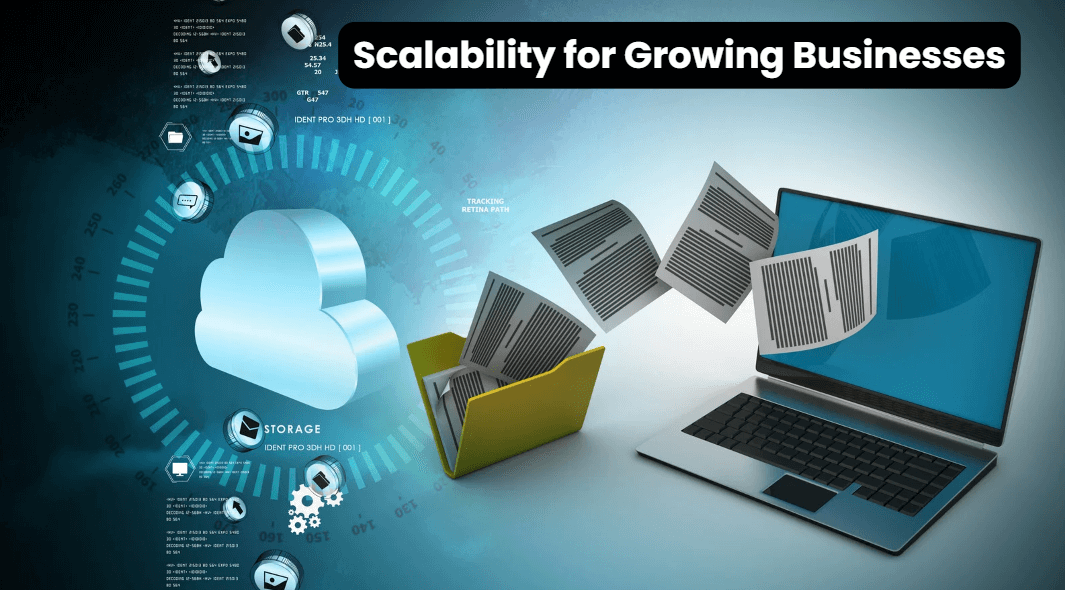
As a business grows, the need for data storage grows exponentially. Enterprise hard drives are built with scalability in mind, so organizations can increase storage capacity with no hassle.
Adding Storage Without Disruption
Enterprise drives can be attached to existing systems or delivered as an integrated NAS or SAN solution. This ensures that any business can have scalable storage infrastructure without having to suffer under the stressors of downtimes and disruptions.
Support for Big Data and IoT
Big data analytics and Internet of Things (IoT) devices increasingly require organizations to have storage solutions capable of handling an enormous amount of unstructured data. Enterprise hard drives, with their large capacities and high-performance capabilities, make this happen just right.
Cost Efficiency: A Long-Term Perspective

While enterprise hard drives are more expensive in the front end, they provide much more value in the long run. In many cases, the benefits of decreased downtime, increased reliability, and better operational performance outweigh the increased investment.
Lowered Maintenance Expenses
Consumer-grade hard drive failures can mean both planned and unplanned costs. In many cases, enterprises stand to benefit from fewer failures and less maintenance overall on enterprise drives due to the higher durability and reliability.
Productivity Benefits
Slow or flaky storage systems can affect productivity, which then impacts the bottom line of a company. Enterprise drives let employees work efficiently, thus directly affecting better business outcomes by ensuring fast and consistent data access.
Warranty and Support
Most producers of enterprise drives offer long warranties and specific support services. Such value-adding extras provide organizations with peace of mind and continuity in case technical issues come into play.
Environmental and Energy Efficiency
Most enterprise hard drives are designed with energy efficiency in mind. They consume less power while in operation, which helps reduce the adverse effects on the environment and keeps up energy costs. Features like dynamic spin technology and advanced power management ensure that drives operate optimally without wasting any energy.
Real-World Applications Across Industries
Enterprise hard drives are applied in many industries, each with its specific requirements for storage:
Data Centers

Data centers are the backbones of modern cloud applications, websites, and massive databases. They require such robust infrastructures to host such humongous data efficiently with strict security.
Enterprise hard drives play a crucial role in such an environment to provide the reliability and performance needed to always keep running. A data center would be required to have high-capacity enterprise drives that can manage their heavy workload while at the same time providing quick information access.
Retailing
Operational success in the retailing sector is entirely dependent upon the real-time processing of sales data at the point of sale as well as managing inventory. Enterprise hard drives are used for securing all transaction data while keeping inventory information readily available.
This capability enables businesses to monitor sales trends, control stock levels, and optimize supply chains with greater effectiveness. Today, with the increased popularity of e-commerce and omnichannel retailing, it’s never been more important for organizations to have the right data storage options.
Education
The education sector increasingly relies on technology to support e-learning platforms and manage student databases effectively. Enterprise hard drives are essential for storing vast amounts of educational content, including videos, interactive modules, and student records.
These drives ensure that educators can readily access resources while keeping sensitive information about students intact. As more online learning tools and platforms are rolled out to educational institutions, the need for data storage solutions continues to increase.
Enterprise hard drives provide the scalability that will be needed as the amounts of data grow due to the increasing number of students taking online courses. They also offer solid security features that prevent unauthorized access to the data, thus adhering to regulations of student privacy.
Government and Public Services
Government organizations as well as public services must ensure that the data handled in public records and operations systems is sound. Enterprise hard drives will be critical in storing information that makes a difference like tax records, legal documents, and public health data.
Transparency and accountability are key principles of the government, meaning that better data storage solutions with public trust in them will need to be invested in to withstand scrutiny. In addition, enterprise hard drives usually have features that make disaster recovery planning easier and possible by ensuring that critical data can be accessed in case of emergencies or system failure.
Choosing the Correct Enterprise Hard Drive
Selecting a suitable enterprise hard drive is determined by several factors:
Capacity Needs
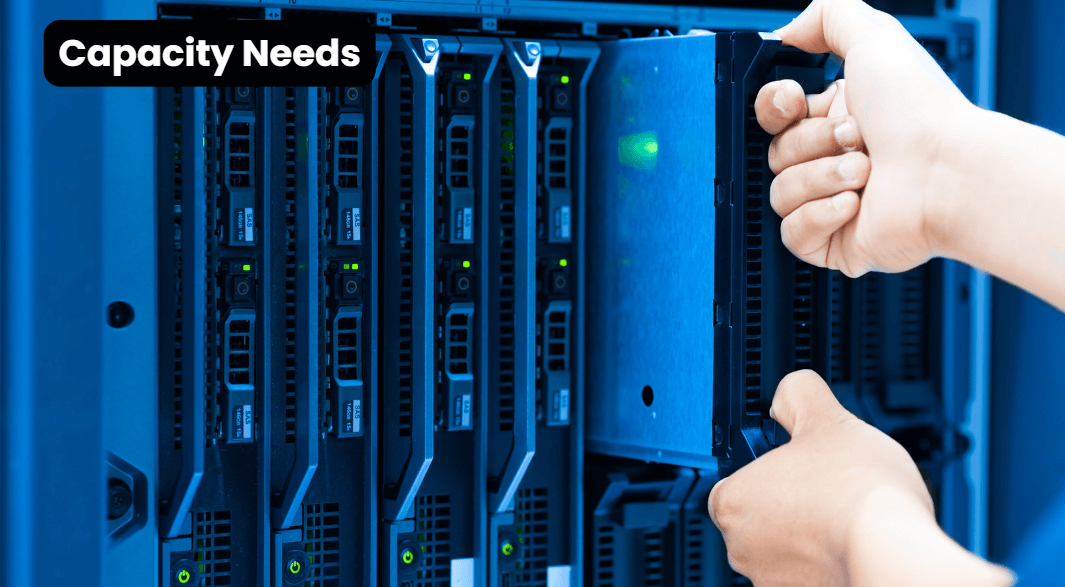
Current and future data storage needs of the organization should be accessed to invest in an enterprise hard drive. Determining the organization’s existing data volumes and what they might grow, organizations need to ensure that the storage solution adopted can meet the requirements of the future.
Once these needs are understood, companies can choose the right capacity for their hard drives without frequent upgrading, ensuring smooth operations when data demands change.
Performance Needs
Organizations need to consider performance needs when selecting enterprise hard drives, with many focusing on the demanding workload requirements and the significance of read and write speeds.
Organizations that experience the highest transaction volume or need real-time data access would be in high demand of hard drives that can deliver the best performance when loaded. Businesses can improve overall system responsiveness and experiences of the user by opting for hard drives optimized for speed and efficiency.
Security Features
Ensuring that enterprise hard drives have satisfactory security features is critical for preventing sensitive data from falling into the wrong hands. Drives that have encryption capabilities help prevent unauthorized access to information, whereas secure erase functions ensure that data is permanently removed from drives after they are no longer in use.
With this in mind, organizations can invest in hard drives that support better data integrity and regulatory compliance.
Compatibility
Compatibility is an important consideration when implementing new enterprise hard drives in the systems already in existence. Organizations have to validate that the selected hard drive will work seamlessly with their current hardware and software environment so as not to disrupt potential operations. Compatibility saves time during installation and reduces the chances of operational issues later on.
Reputation by Manufacturer
Large-capacity enterprise hard drives from renowned manufacturers serve as the best choice, ensuring reliability and performance over time. Renowned manufacturers usually offer stronger warranties, better technical support, and a richer quality product than new brands. By selecting established brands, organizations can be more assured of their investment and less likely to encounter the problem of drive failures.
Warranty and Support
To avoid any concerns at the time of selecting enterprise hard drives, it is worthwhile to check them for extended warranties and trustworthy customer support. A good warranty ensures protection against surprises, and responsive customer support ensures that organizations get speedy assistance in case of a problem.
Enterprise hard drives are indispensable for businesses that value reliable data storage. Their superior durability, scalability, and performance make them a cornerstone of modern data management strategies. From protecting sensitive information to ensuring uninterrupted operations, these drives offer unmatched benefits.
Conclusion
Although this comes at a more expensive up-front cost than consumer-grade drives, long-term savings from reduced downtime, maintenance, and operational efficiency make them a wise investment. As data continues to play a pivotal role in organizational success, enterprise hard drives offer the foundation needed to thrive in an increasingly digital and competitive landscape.
Enterprise-class hard drives ensure that businesses are thus safeguarding their critical data while being ready for the future. Secure, reliable, and scalable storage solutions represent essentially what any serious organization needs to achieve sustained growth and success.
FAQs
- How do thoughtful gifts improve employee engagement?
Thoughtful gifts improve employee engagement by showing that their contributions are recognized and valued. This fosters a sense of appreciation and connection to the organization, which enhances motivation and loyalty among employees.
- What types of gifts are considered thoughtful?
Thoughtful gifts can include personalized items, experiential gifts like tickets to events, or professional development opportunities such as subscriptions to online courses. These gifts reflect an employee’s interests, achievements, or cultural background, making them meaningful.
- Why is personalization important in gifting for employees?
Personalization is important because it demonstrates genuine appreciation and understanding of individual preferences. It makes employees feel seen and valued as unique contributors to the organization, strengthening their emotional connection to their workplace.


Leave a Reply