
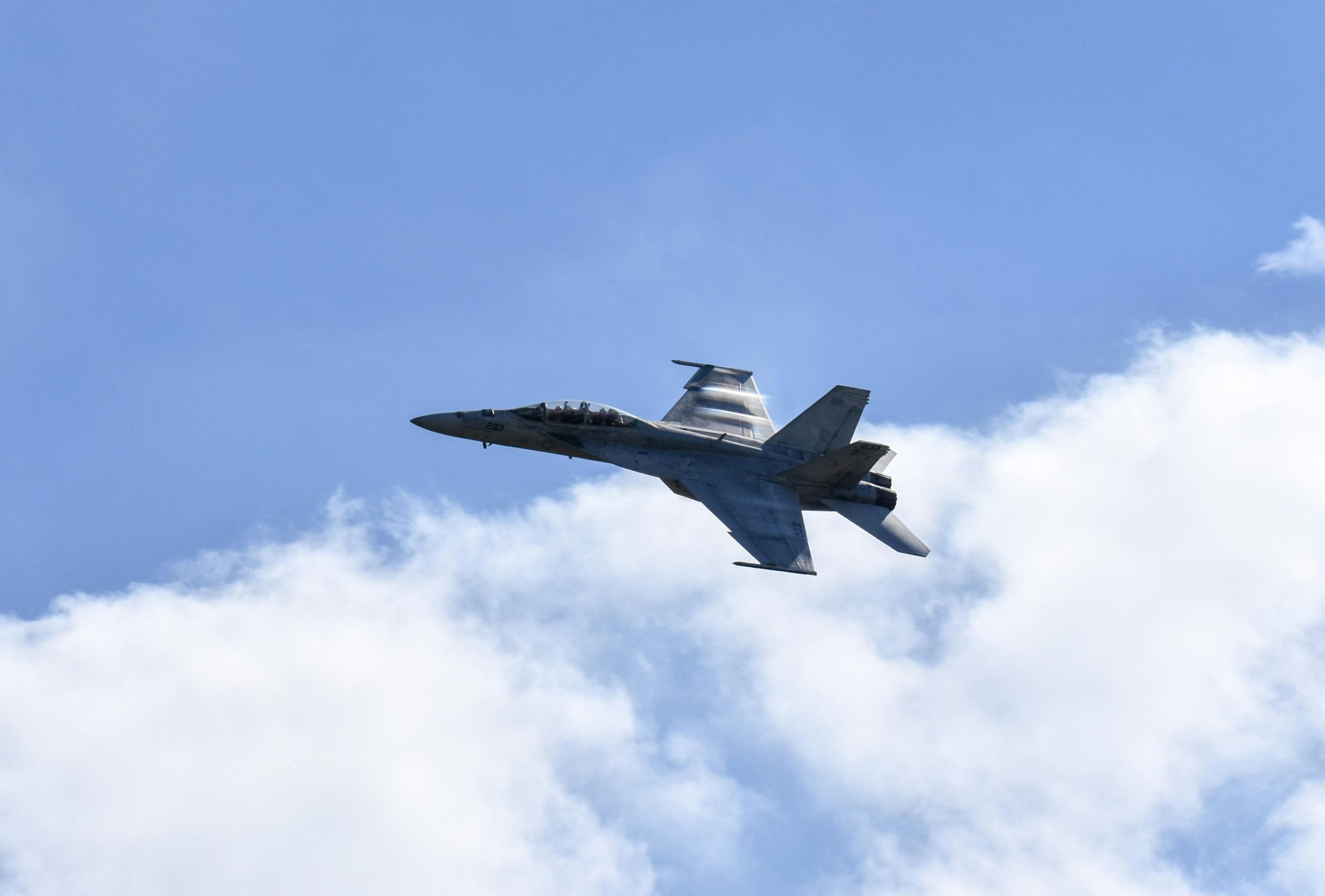
Why the U.S. Military Trusts Calspan for Captive Trajectory System Testing
Introduction
In the aerospace and defense industries, precision and reliability are non-negotiable. One of the critical testing methodologies used to ensure the accuracy of store separation (such as missiles, bombs, or pods from aircraft) is Captive Trajectory System (CTS) Testing. This advanced testing technique plays a vital role in validating the safe and effective release of stores under various flight conditions.
Calspan, a leader in aerospace testing and research, has been at the forefront of Captive Trajectory System Testing, providing cutting-edge solutions to military and commercial aviation sectors. This article explores the importance of CTS testing, its applications, and how Calspan contributes to advancing this technology.
What is Captive Trajectory System Testing?
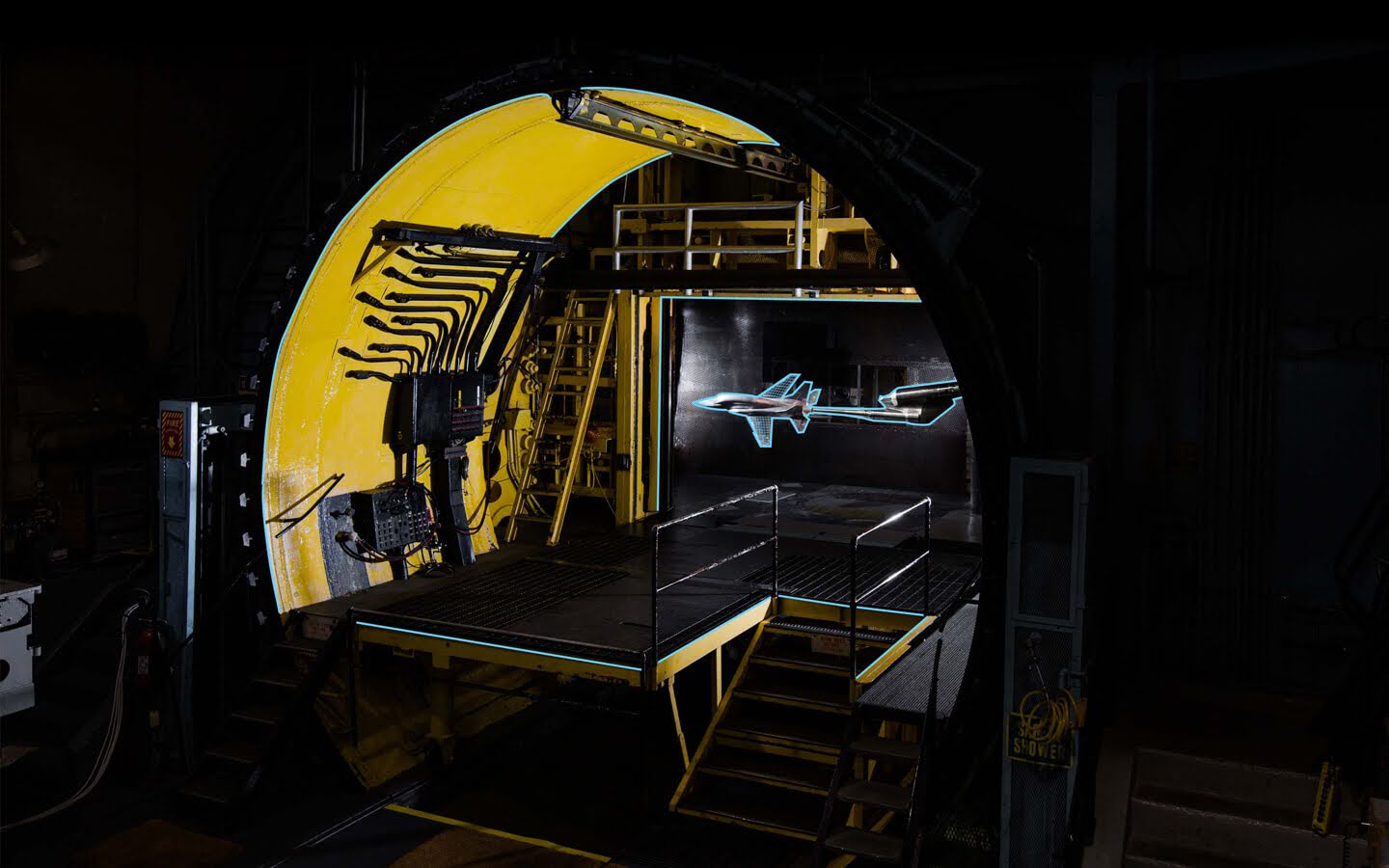
Captive Trajectory System Testing is a wind tunnel testing method used to simulate and analyze the separation of stores (e.g., weapons, fuel tanks, or payloads) from an aircraft. The system measures aerodynamic forces and moments acting on the store during release, ensuring that it follows a safe and predictable trajectory without colliding with the aircraft.
Key Components of CTS Testing:
- Wind Tunnel Testing – Conducted in controlled environments to replicate real-flight conditions.
- Force and Moment Measurement – Sensors capture data on aerodynamic forces affecting the store.
- Trajectory Simulation – Predicts the store’s path post-release using computational models.
- Modeling & Validation – Ensures accuracy through repeated testing and adjustments.
Why is Captive Trajectory System Testing Important?
The primary goal of Captive Trajectory System Testing is to enhance mission safety and effectiveness. Here’s why it’s indispensable:
Ensures Safe Store Separation
- Prevents collisions between released stores and the aircraft.
- Validates ejection mechanisms under different flight conditions.
Optimizes Weapon Performance
- Ensures weapons follow intended trajectories for maximum accuracy.
- Reduces risks of misfires or deviations.
Reduces Development Costs
- Identifies potential issues early, avoiding costly in-flight failures.
- Minimizes the need for live flight tests.
Supports Regulatory Compliance
- Meets military and aviation safety standards.
- Provides verifiable data for certification processes.
Calspan Expertise in Captive Trajectory System Testing
With decades of experience in aerospace testing, Calspan has established itself as a trusted provider of Captive Trajectory System Testing solutions. Their state-of-the-art facilities and engineering expertise enable precise simulations and data-driven insights.
Calspan’s CTS Testing Capabilities Include:
✔ High-Speed Wind Tunnels – Replicating supersonic and subsonic flight conditions.
✔ Advanced Data Acquisition Systems – Capturing real-time aerodynamic forces.
✔ Computational Fluid Dynamics (CFD) Integration – Enhancing test accuracy with simulations.
✔ Customized Test Solutions – Tailored for military and commercial applications.
By leveraging Calspan’s CTS testing services, aerospace manufacturers and defense agencies can ensure optimal performance and safety in store separation scenarios.
Applications of Captive Trajectory System Testing
Military Aviation
- Testing missile launches from fighter jets.
- Validating bomb drops in different flight configurations.
Unmanned Aerial Vehicles (UAVs)
- Ensuring safe payload releases from drones.
- Testing autonomous store separation systems.
Spacecraft & Launch Vehicles
- Simulating stage separations in rockets.
- Validating satellite deployment mechanisms.
Commercial Aircraft
- Testing cargo and fuel tank releases.
- Ensuring safe emergency payload jettisoning.
FAQs
What is the difference between CTS testing and free-flight testing?
CTS testing is conducted in wind tunnels with controlled conditions, whereas free-flight testing involves actual airborne releases. CTS is more cost-effective and safer for initial validations.
How does Calspan enhance CTS testing accuracy?
A: Calspan integrates high-precision sensors, CFD modeling, and advanced wind tunnel techniques to deliver highly reliable data.
Can CTS testing simulate extreme flight conditions?
A: Yes, Calspan’s wind tunnels can replicate high-speed, high-altitude, and turbulent conditions to test store separation under stress.
Is CTS testing only for military applications?
A: No, while heavily used in defense, CTS testing also benefits commercial aviation, space exploration, and UAV development.
How long does a typical CTS test take?
A: Depending on complexity, tests can range from days to weeks, including setup, data collection, and analysis.
Conclusion
Captive Trajectory System Testing is a cornerstone of aerospace safety and performance validation. By simulating store separation scenarios, engineers can predict and mitigate risks before real-world deployment. Calspan’s expertise in CTS testing ensures that military and commercial entities receive accurate, reliable data to enhance mission success.
As aerospace technology evolves, Calspan continues to innovate, providing cutting-edge solutions that push the boundaries of precision engineering. Whether for fighter jets, drones, or spacecraft, Captive Trajectory System Testing remains an essential tool in modern aviation.
For inquiries about Calspan Captive Trajectory Testing services, reach out to their team for specialized support.


Leave a Reply