
6 Benefits Of Panic Alarms For Families Of Elderly Loved Ones
Old age is full of wisdom, memories, and independence, but it also comes with silent fears that are hard to overlook for many families. When the loved one is an old person and lives alone, even ordinary things can cause anxiety: a missed phone call, a delayed reply, or the fear of falling or sudden illness.
You might be willing to honor their independence, but at the same time, make sure that they are safeguarded in case of some unforeseen circumstances. Finding a balance between safety and dignity can be quite daunting, particularly when distance or time constraints do not provide the option to check in every day.
Senior panic alarms fulfil this requirement by ensuring that the elderly get instant access to help without losing independence or confidence. This article discusses six major advantages of panic alarms and the ways in which they can assist the elderly and their families.
1. Quick Action in Case of Emergencies
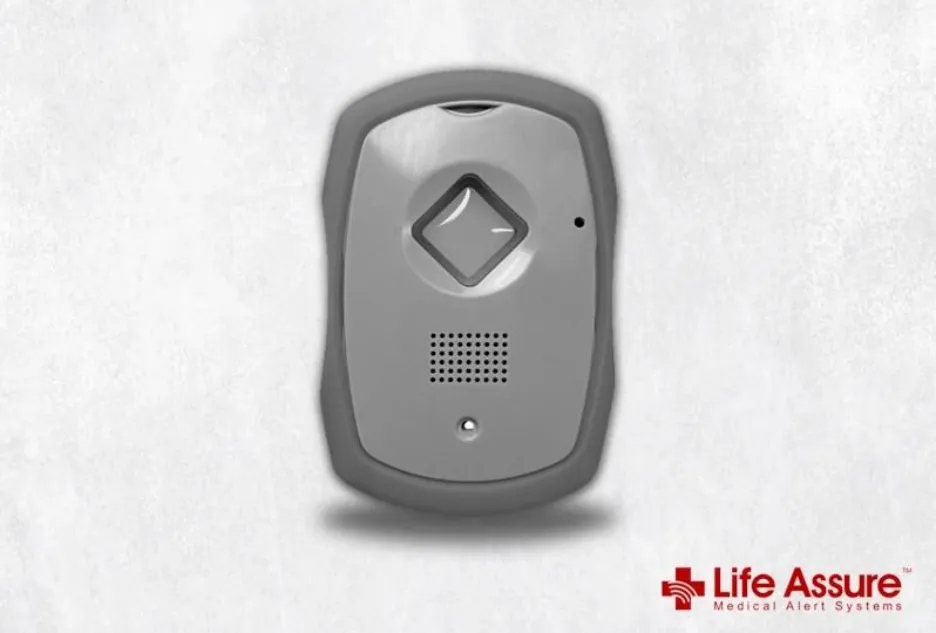
To begin with, panic alarms for seniors offer a direct means of calling for assistance in the case of an emergency. Your loved one may fall, have some sudden health condition, or feel unsafe; pressing the alarm button can instantly call trained responders or specific contacts.
This fast connection is beneficial in making sure that the aid is received promptly, sometimes within minutes, which can be very important in life-threatening events such as strokes, heart problems, and severe injuries.
Both research and user experience indicate that a quicker emergency response may greatly decrease the severity of outcomes and the overall health recovery time.
2. Greater Peace of Mind for Families
Other than physical safety, the emotional reassurance that it offers to the families is one of the most significant benefits. The fact that your loved one has a panic alarm installed allows you not to wait to receive a call or check in every hour.
This feeling of security is not a trifle, as it decreases the stress, allows families to concentrate on meaningful moments instead of worrying and promotes a healthier relationship in general.
When analyzing personal emergency systems, caregivers report that anxiety about their loved ones’ welfare decreases significantly after installing such alarms.
3. Encourages Self-sustainability

Another advantage of a panic alarm is that it promotes autonomy among the elderly. A large percentage of older adults are very adamant about ageing at home; that is, staying in their own homes as long as possible, and panic alarms would allow this to be a safer option.
Having a dependable emergency alert system nearby, the elderly tend to feel safe enough to engage in normal day-to-day activities such as cooking, gardening or walking through the neighborhood.
This trust adds directly to the quality of life, as older adults are able to stick to their routine without constant supervision. The use of personal alarm systems helps individuals lead an independent life by providing a reliable safety net that family members can rely on.
4. Auto Fall Detection and Additional Safety Measures
Most of the current panic alarm systems have automatic fall sensors and other safety mechanisms that extend beyond manual alarms. The device will alert to seek assistance in case of a fall, even when the senior cannot press the button with automatic detection.
This aspect is significant since falls are one of the most frequent causes of emergency events in the elderly, particularly when they are left alone. It is a way of making sure that even if the senior is unable to communicate directly, help is sent, and the response time is considerably shortened.
In addition, more advanced systems might include features such as GPS tracking and water protection, which will ensure safety at home and in the outside environment, and even in high-risk areas like the shower.
5. Reduced Stress and Anxiety
Alongside peace of mind for families, panic alarms also help lessen stress and anxiety for the seniors themselves. A wearable panic device acts as a constant reassurance that help is always within reach, which can positively influence emotional well-being and confidence.
When seniors know that pressing a button connects them immediately to support, they are less likely to feel fearful about daily activities or movement throughout their home. A reduction in worry often leads to more engagement with social interactions and hobbies, enhancing mental and emotional health.
6. Support for Caregivers and Family Dynamics
Finally, panic alarms support the broader family ecosystem, not just the individual senior. Caregivers and far-flung family members often juggle responsibilities, schedules, and distant locations.
A panic alarm with 24/7 monitoring means that someone trained and ready to respond is always on standby. This alleviates the pressure on family caregivers, who can then provide support where it matters most, emotionally and socially; rather than being tied down by constant worry.
Knowing that a reliable system is in place can also strengthen trust and relationships among family members, fostering supportive and cooperative care planning.
Final Thoughts
As you look for ways to protect and support your elderly loved ones, a panic alarm stands out as a practical and effective tool that brings immediate help, emotional comfort, and greater independence.
These systems connect seniors to assistance without delay, reduce stress for families, and allow older adults to continue living the lives they love with confidence.
When emergencies strike, every second matters; and panic alarms ensure those seconds count in the right way. Ultimately, choosing a panic alarm isn’t just about technology; it’s about creating a safety framework that respects dignity, supports well-being, and offers reassurance every day.


Leave a Reply