
Why Link Shortening Is So Important for Better Analytics and Tracking
URLs often look like a robot had a meltdown. Most people assume shortened links are just for aesthetics. But here’s the secret: every single shortened link is a tracking machine. It doesn’t just take people from point A to point B. In fact, it collects real-time data on:
- who clicked
- where they came from
- what device they used
- how they found the link in the first place
Ever seen a link so long and ugly that it looked like a secret government code? Something like:
https://example.com/product?utm_source=facebook&utm_medium=paid&utm_campaign=spring_sale&clickid=XYZ123
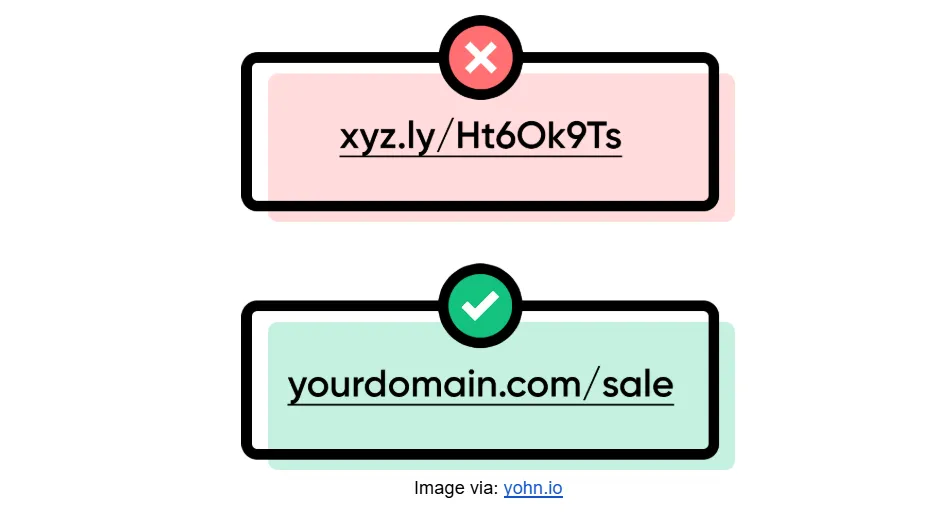
No one wants to click that. It looks sketchy, cluttered, and completely forgettable. Now, compare that to this shortened link:
https://yourbrand.com/spring-sale
Cleaner, right?
When you’re running a marketing campaign, it’s easy to get worked up about what’s working and what’s not. Optimized links let you track everything. Like, are people coming from social media? Is it your paid campaign that’s bringing in people, or are they all organic shares? Without proper tracking, you kind of have to guess everything. And guessing is bad for business.
Link shorteners remove the guesswork. They help you track everything, optimize your strategy, and ultimately get more clicks. If you’re not using them yet, you’re settling for less. Let’s break down why link shortening is so much more than a vanity tool—and how it can supercharge your analytics and tracking.
What Is Link Shortening?
A link shortener is a tool that converts a complex URL into a more manageable one without changing its function. It works by creating a redirect. When someone clicks the shortened link, they are instantly taken to the original, full-length URL.
After pasting a long URL into a link shortener, the tool assigns it a unique identifier. Usually, it is a combination of letters, numbers, or a custom slug. This unique identifier gets stored in the shortener’s database along with the original URL.
For example:
- Original link: https://example.com/blog/2024/03/why-link-shortening-is-key-to-analytics-and-tracking?utm_source=facebook&utm_medium=paid&utm_campaign=spring_sale
- Shortened link: https://bit.ly/3xYZabc
Both links lead to the same webpage, but the shortened version is easier to share and track.
Tracking and Analytics
Before a user reaches the designated page, the link shortener captures a bunch of data. It tracks the user by detecting their IP address. An IP address contains someone’s general location. It also records where they found your link from, whether it was on social media, an email, an ad, or another source.
The tool notes what device and browser they used, like a phone or computer, and whether they were on Chrome or Safari. Lastly, it saves the timestamp, allowing businesses to see patterns over time. This information helps marketers understand their audience, improve their strategies, and make smarter decisions for future campaigns.
Some advanced link shorteners, like Bitly and Rebrandly, also allow:
- Branded links (yourbrand.link/spring-sale instead of bit.ly/3xYZabc).
- UTM tracking to analyze marketing performance.
- QR code generation for offline sharing.
URL Redirection
When someone clicks a shortened link, their browser instantly contacts the link shortener’s server to find out the lead. The server searches its database for the unique code tied to that short link, retrieves the original full URL, and redirects the user in a split second. This process is so fast that users don’t even notice it happening.
If you want to try this yourself, you should start looking for the best free URL shortener online. Starting with a basic tool will help you understand the functions of a URL shortener. Gradually, you can work your way up to paid services. They are a great way to create, share, and track links.
Why You Need Link Shorteners
Shortened links do more than just tidy up URLs. They act as powerful tracking tools that provide real-time insights and detailed data. By using link shorteners strategically, businesses can effortlessly make data-driven decisions.
Real-Time Performance Monitoring
One of the biggest advantages of link shortening is instant access to engagement data. The moment someone clicks a shortened link, the tool gathers all the important details.
This lets you instantly know who’s clicking, where they’re from, and what device they’re using. Instead of waiting for reports days after days, you get real-time stats.
Here’s how it works:
- Instant Engagement Tracking: The second someone clicks your link, the shortener records the total clicks, location, device, and referral source.
- Spot Trends Fast: See when and where your audience is most active. Are they clicking more at night? Are most users on mobile? This info will help you with future projects.
- Adjust on the Fly: If a link isn’t getting clicks, you don’t have to scrap the whole project. Change your CTA, tweak the ad, or even swap out the destination URL—without needing a new link.
UTM Parameters and Customization
UTM parameters are tracking tags that help you see exactly where your clicks are coming from. Without them, you might notice website traffic increasing but have no clue if it’s from a social post, an email, or an ad. UTM parameters solve this by adding extra info to your URLs.
For example, a basic link like https://example.com/sale tells you nothing. But with UTM parameters, you get a full picture:
https://example.com/sale?utm_source=instagram&utm_medium=social&utm_campaign=spring_sale
This tells you where the traffic came from and was part of your spring sale campaign. When you check analytics, you’ll see exactly which post or ad brought in the most clicks.
The problem with these links, however, is that they are long and messy. This makes them look unclickable—especially on social media. That’s where link shorteners come in. A tool like Bitly or Rebrandly turns bulky URLs into something sleek and shareable, like https://bit.ly/spring-sale, while still keeping all the tracking data intact.
Fraud Prevention and Security
A shortened link might look easy to achieve, but it does a lot more than just save space. This isn’t just about clean URLs—it’s about control, accuracy, and trust. A shortened link acts like a security guard, keeping both businesses and users safe from fraud.
Ever had a flood of random clicks mess up your analytics? Link shorteners catch that. They flag bot activity, spam, and any suspicious patterns so fake engagement doesn’t throw off your data.
But that’s not all. Some shorteners even scan links for malware and phishing scams. They basically block harmful websites before anyone lands on them. When you use a reliable shortener, you’re not just tracking clicks—you’re making sure every link leads exactly where it should.
Best Practices for Using Link Shorteners
Link shorteners are powerful tools, but to get the most out of them, you need to choose the right one. A well-shortened link should help you optimize campaigns without losing data.
1. Choosing the Right Link Shortener
Not all link shorteners are the same. Some focus on basic shortening, while others offer:
- advanced tracking
- branded links
- security features
If you just need to make links look less cluttered, free tools like Bitly or Tnye will do the job. But if you’re doing something ambitious like running marketing campaigns, you’ll need detailed analytics.
For those projects where you’ll need UTM tracking or custom domains, premium options like Rebrandly and Short.io will give you more control.
If security is a concern, opt for shorteners with spam and phishing detection. Many advanced tools can flag suspicious activity and prevent malicious links from being shared under your domain.
2. When to Use Link Shorteners (And When to Avoid Them)
Shortened links work best in places where there’s limited space. Social media posts, SMS marketing, influencer campaigns, and ads all benefit from shorter URLs. These links are easy to share and can track engagement across different platforms.
However, there are times when you shouldn’t shorten links. In emails, especially for official communication, some users are wary of clicking short links because they can’t see the full web address.
In professional documents or legal contracts, using full URLs adds transparency. Also, social media platforms often flag overly shortened or unbranded links as spam. So, it’s better to use custom-branded links instead.
3. Managing and Tracking Shortened Links
Shortening is just half of the work. You also need to manage them because, over time, mismanagement can lead to lost data, expired links, or broken redirects.
Use a dashboard-based shortener that allows you to track, edit, and manage all your links in one place. Many premium shorteners also let you update the destination URL even after a link has been shared. This is perfect for redirecting traffic to a newer page.
Regularly check your data by analysing engagement metrics and traffic sources. Over time, you’ll be able to refine your link-building strategy and improve your site’s performance.
Conclusion
Link-shortening can help you in a lot of ways. Most importantly, it helps you understand your audience better. When used right, it can even boost your SEO.
One common issue marketers run into is that they overuse shortened links. Avoid doing that since it puts you at risk of appearing as a spam website.
Used correctly, link shortening can transform your marketing. So, start shortening your links, stay focused on quality, and let these links help you work smarter and get better results.


Leave a Reply