
The Cost of Waiting: Why Delaying AC Repair Could Cost You More
I used to be the kind of person who would wait just a little too long to fix things around the house. A leaky faucet? Put a towel under it. Flickering light? Wiggle the switch. And when the air conditioner started acting up last June, I did the same thing I always do—I waited.
At first, it was just a weird noise. A faint hum that wasn’t there before. Then, a warm spot in the house that never cooled down, no matter how low I set the thermostat. Still, I ignored it. Life was busy. The AC was mostly working, and summer hadn’t hit full force yet.
If I’d called an HVAC contractor right then and there, I could’ve saved myself a lot of money—and a brutally hot week without air conditioning.
The Slippery Slope of “It’s Probably Fine”
That low hum turned into a buzz. Then a rattle. Then one night, as I lay in bed trying to sleep, it just… stopped. No cool air. No sound. Just the hum of ceiling fans pushing warm air around.
By the time I called for AC repair, the damage was done. The compressor had overheated, a capacitor had blown, and the unit had been cycling inefficiently for days. Instead of a simple fix, I was looking at a major repair.
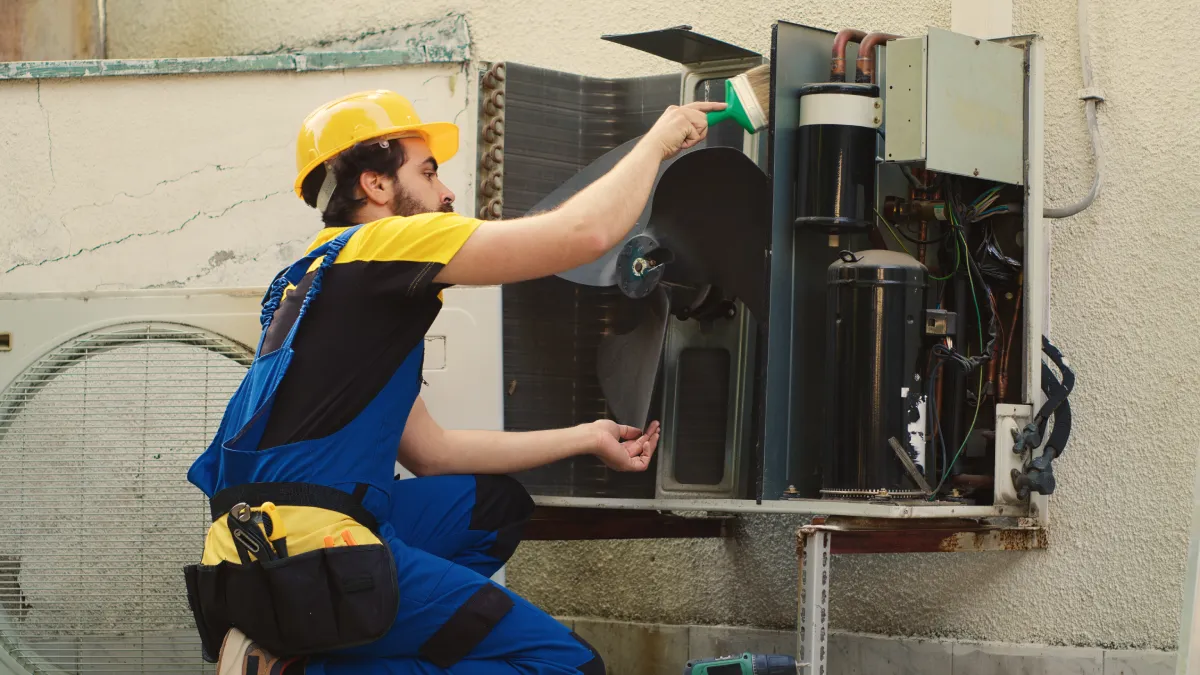
The technician—someone from a local company called Nardco Heating & Air Conditioning—was patient. He walked me through everything. Apparently, that little buzz I ignored was the first warning sign. Had I called sooner, the entire situation could have been resolved with a basic part swap and some cleaning.
Instead, I ended up paying triple, sweating through a holiday weekend, and wondering why I hadn’t acted sooner.
AC Systems Don’t Heal Themselves
One thing I learned through all of this? Air conditioners don’t get better with time. There’s no magical reset button. That strange smell or weak airflow or uncharacteristic noise isn’t your system “working itself out.” It’s your system telling you something’s wrong.
And unlike other appliances, when your AC starts struggling, it’s not just a comfort issue—it’s a strain on your whole home. It can raise energy bills, cause moisture buildup, and put pressure on other systems like your furnace or air handler.
Once I saw the numbers on my electricity bill from May and June, the warning signs were clear in black and white. I had been paying more for a machine that was doing less. That inefficiency, left unchecked, shortened its lifespan and drained my wallet.
The Financial Drain You Don’t See
I always assumed that holding off on repairs was saving me money. What I didn’t realize was how much it was costing me in ways that weren’t obvious—at first.
- Higher energy bills: My system had to work harder and longer to cool the same space.
- Accelerated wear: The faulty part caused strain on other components.
- Missed warranty coverage: Delaying the repair meant the warranty on one part expired before the technician even diagnosed the issue.
- Emergency service fees: My system quit on a Friday. I called on a Saturday. You can imagine what that added to the final bill.
If you’re like I was, thinking “I’ll deal with it next week,” just know that every extra day may be quietly increasing your repair costs.
The Emotional Cost of Uncertainty
Let me be honest—money aside, the worst part was the stress. The uncertainty. The uncomfortable nights, the worry about my pets in the heat, the scramble to find someone who could come out during a busy summer weekend. AC issues don’t just mess with your thermostat—they mess with your peace of mind.
Now, I schedule seasonal HVAC checkups like clockwork. I never thought I’d be that person with a calendar reminder for a pre-summer tune-up, but here we are.
Prevention Isn’t a Sales Pitch—It’s a Lifeline
At first, I was skeptical when the technician recommended preventive maintenance. Wasn’t that just another way to squeeze more money out of me?
But then he showed me the wear on my air filter, the corrosion starting on the coils, and the tiny crack in the drain pan—all things I wouldn’t have noticed until it was too late.
And here’s the kicker: the cost of that maintenance visit? Less than 15% of what I paid for the emergency AC repair.
Now, every spring, I get a quick checkup. They clean the coils, test the refrigerant levels, look for leaks, and make sure the whole system is operating as it should. That small investment keeps my system running smoothly and gives me one less thing to worry about when the temperatures spike.
Don’t Wait for Perfect Timing—It Doesn’t Exist
One of the reasons I waited so long to call was because I kept telling myself it wasn’t a “good time.” Work was hectic. Vacation was coming up. I figured I’d get around to it when things calmed down.
But here’s the thing: home systems don’t care about your schedule. And HVAC contractors, especially during peak summer months, get booked fast. If you wait until you’re desperate, you’re left hoping someone can squeeze you in—or that the weather gives you a break.
By calling early, you’re not just avoiding high-stress moments. You’re giving yourself options—better timing, better pricing, and better outcomes.
A Lesson I Had to Learn the Hard Way
If I could go back, I’d make the call the moment I heard that buzz. I’d swap my “wait and see” attitude for a quick consultation. And I’d take my air conditioning system seriously before it gave out completely.
So if your AC is making noise, running nonstop, or just doesn’t seem quite right—don’t wait. Trust your instincts. Find a qualified HVAC contractor, ask questions, and act early.
It’s not just about keeping cool. It’s about keeping your budget, your comfort, and your sanity intact.


Leave a Reply