
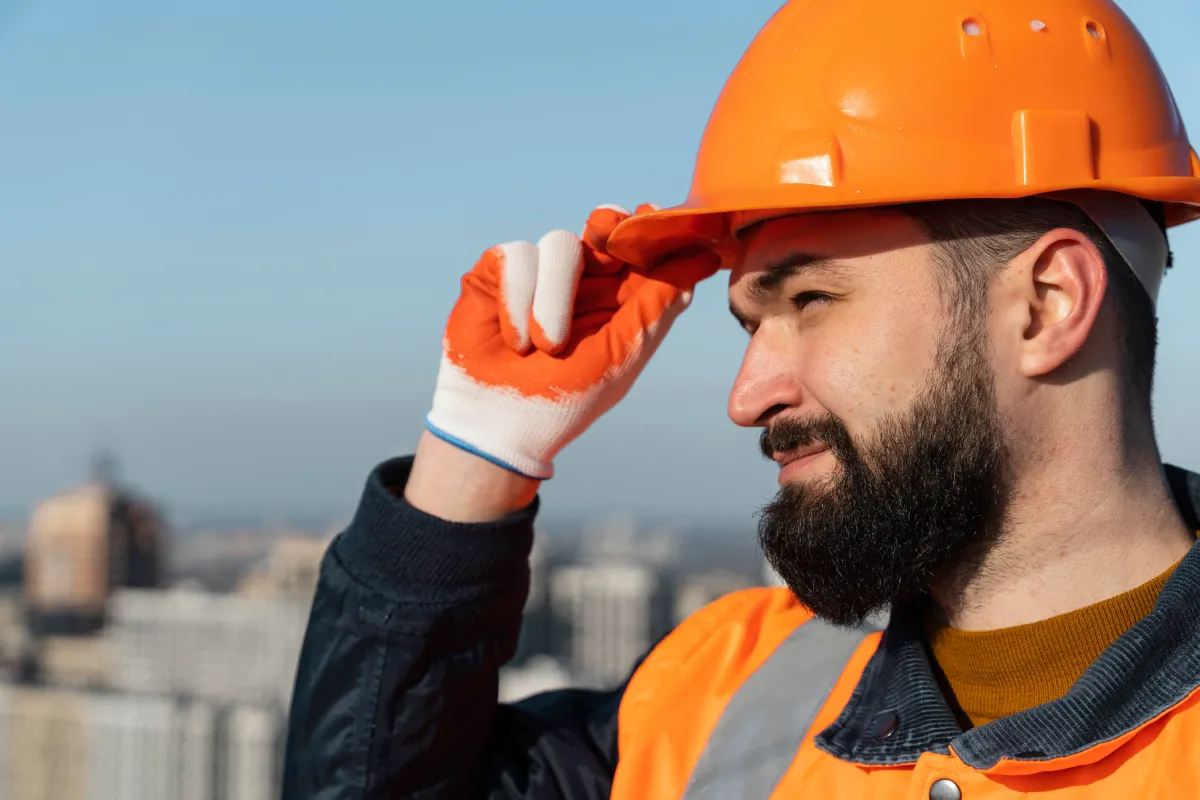
Why Head Protection Matters The Critical Role of a Construction Hard Hat in Tradesman Safety
Across every job site from large commercial builds to residential renovations the construction hard hat remains one of the most essential pieces of safety equipment a tradesman can wear. While it may seem like a simple accessory, hard hats are specifically engineered to protect workers from falling objects, electrical hazards, impacts, and job-site debris. In high-risk environments where tools, materials, and machinery are constantly in motion, proper headwear protection often means the difference between a near-miss and a catastrophic injury.
Understanding the Real Risks Tradesmen Face
Head injuries occur on job sites every year, many of which could have been prevented with proper protective headwear. Tradesmen operate in environments full of unpredictable variables heights, heavy equipment, cranes, ladders, scaffolding, and limited-visibility zones.
Common causes of head injuries on job sites include:
- Falling debris such as tools, nails, wood, or hardware
- Swinging load lines or crane-lifted materials
- Slips, trips, and falls
- Low-hanging pipes, beams, and scaffolding bars
- Electrical hazards and energized conductors
- Impact from forklifts or moving machinery
The head is one of the most vulnerable parts of the body, and even minor impacts can lead to long-term injury.
What Makes a Construction Hard Hat Effective?
A modern hard hat is much more advanced than a simple plastic shell. It is designed with shock-absorbing internal suspension, controlled flexibility, and specific safety ratings that match workplace hazards.
Key features of effective hard hats include:
- Impact-resistant shell to deflect falling objects
- Inner suspension system to distribute force
- Electrical insulation (Class E or Class G models)
- Adjustable straps for proper fit
- Optional face shield or earmuff attachments
- High-visibility colors for better worker recognition
Every component is engineered with worker safety and comfort in mind.
Different Hard Hat Classes & What They Mean
Tradesmen should always select a hard hat based on the hazards they face.
Class E (Electrical)
Protects against up to 20,000 volts ideal for:
- Electricians
- Linemen
- Utility workers
Class G (General)
Protects against low-voltage (up to 2,200 volts) ideal for:
- Construction
- Carpentry
- Masonry
Class C (Conductive)
Offers no electrical protection but provides ventilation ideal for:
- Grinding
- Finishing work
- Hot environments
Choosing the wrong hard hat can leave workers vulnerable to the exact hazard they are trying to avoid.
How Different Trades Use Hard Hats
1. Electricians
Electricians need Class E hard hats that provide insulation from high voltage. They also benefit from dielectric brackets for face shields.
2. Carpenters
Carpenters often navigate low beams, moving lumber, and overhead framing making impact-resistant headwear crucial.
3. Roofers
Roofers wear hard hats to protect from slips, falling materials, and sudden wind-blown debris.
4. Welders & Metalworkers
Welders use hard hats with compatible welding shields and heat-resistant shells.
5. HVAC & Mechanical Trades
Working around ducts, equipment, and tight spaces makes head bumps common protection is essential.
6. Plumbers
Often working in basements, mechanical rooms, or under raised floors, plumbers regularly encounter overhead hazards.
Why Workers Sometimes Avoid Hard Hats And Why They Shouldn’t
Common excuses include:
- “It’s uncomfortable.”
- “I’m only working in one spot.”
- “Nothing ever falls here.”
But job sites change constantly, and hazards appear without warning. Modern hard hats are lightweight, well-ventilated, and adjustable for comfort there’s no reason not to wear one.
Caring for & Replacing Hard Hats
A damaged hard hat is as dangerous as wearing none at all.
Replace your hard hat if it has:
- Deep scratches or cracks
- Fading from UV exposure
- A compromised suspension system
- Been struck by a falling object
- Expired (most should be replaced every 2–5 years)
Workers should inspect their helmets daily before use.
Final Thoughts
The construction hard hat is one of the most effective tools for preventing life-changing injuries on job sites. Whether you’re an electrician, carpenter, roofer, or general tradesman, protecting your head should always be the first step in any job. Wearing the right hard hat isn’t just good practice it’s a critical part of ensuring that every worker goes home safely.


Leave a Reply