
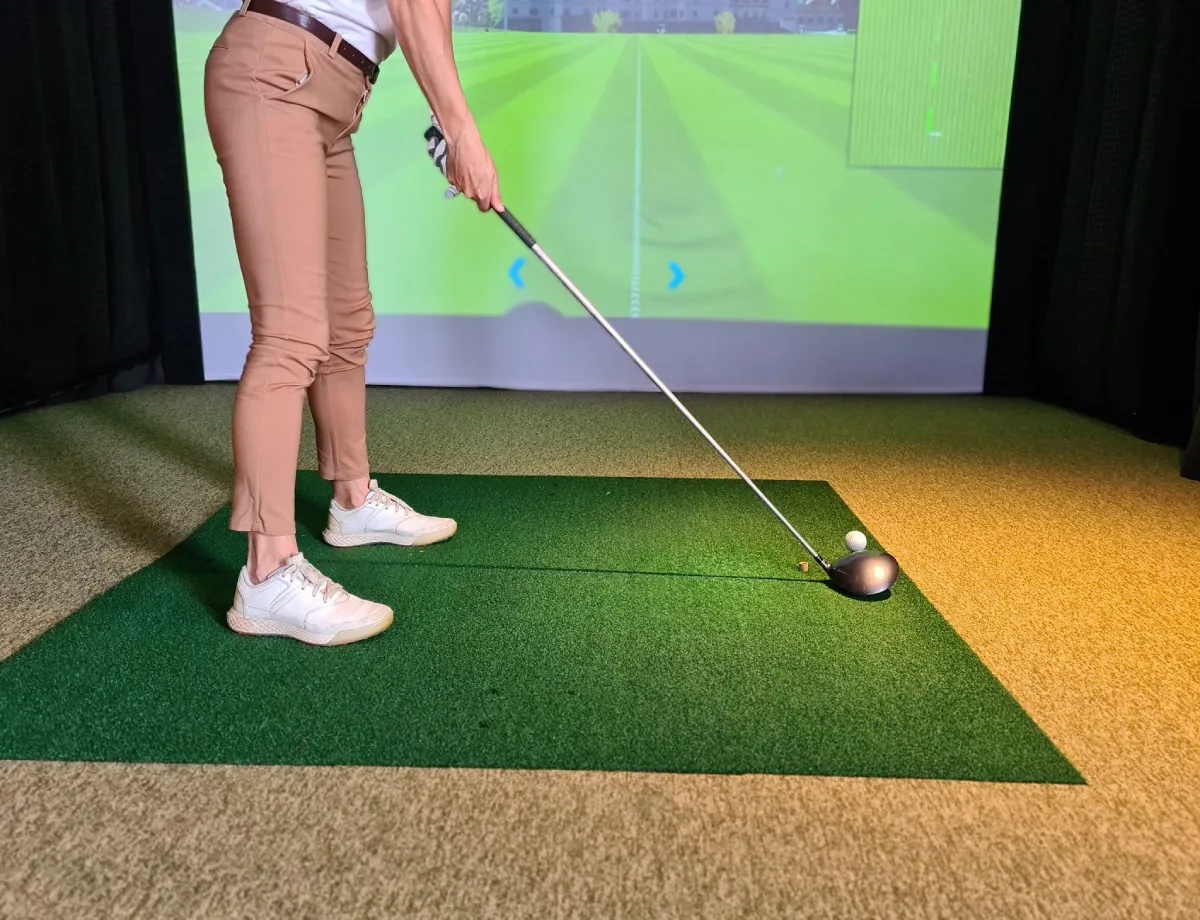
The Growing Appeal of Home Golf Simulators: What’s Fueling the Trend?
For many golfers, the journey into the world of at-home training begins with curiosity. A simple search, a product review, or even comparing resources like Indoor Golf Outlet becomes the starting point, especially when exploring what’s needed to turn a spare room, garage, or basement into a functional golf simulator setup. What once felt like a luxury now feels surprisingly achievable, and that shift is driving more players to consider the possibility of practicing anytime, without needing a tee time, ideal weather, or a commute.
What’s interesting is that this movement isn’t just about convenience. It’s also about personalization, technology, and a deeper appetite for meaningful hobbies at home. The trend reflects something broader happening in how people use their living spaces: a shift from passive entertainment toward active engagement.
Convenience Meets Consistency
One of the biggest reasons golfers invest in a simulator setup is simple: access. The ability to practice without weather concerns or travel makes training more consistent. Improvement in sports often depends less on intensity and more on repetition, small, frequent practice sessions rather than occasional long ones.
A home simulator supports that rhythm. Ten minutes before work, twenty minutes after dinner, or a quiet hour on a weekend feels easier to commit to when everything is already set up.
The practical side also matters. Not everyone lives near a high-quality practice facility, and seasonal climates make outdoor play unpredictable. A simulator removes those barriers and gives golfers control.
Technology Has Evolved, And So Have Expectations
In the past, golf simulators were associated with elite training facilities or high-budget installations. Today, technology has become more accessible and adaptable. Launch monitors, hitting mats, screens, and simulation software now exist at multiple price points, making it possible to build setups that fit different homes and budgets.
What makes the technology compelling isn’t just accuracy, it’s immersion. Modern simulators track swing metrics, ball flight, speed, spin, club path, and more. They don’t just show visual results, they provide insight.
The National Golf Foundation noted an increase in simulator-based participation over the past few years, observing that digital play isn’t replacing traditional golf, it’s expanding the sport’s reach. Technology gives new players a low-pressure place to learn and experienced golfers a controlled environment for refining technique.
Home Design Is Becoming More Flexible
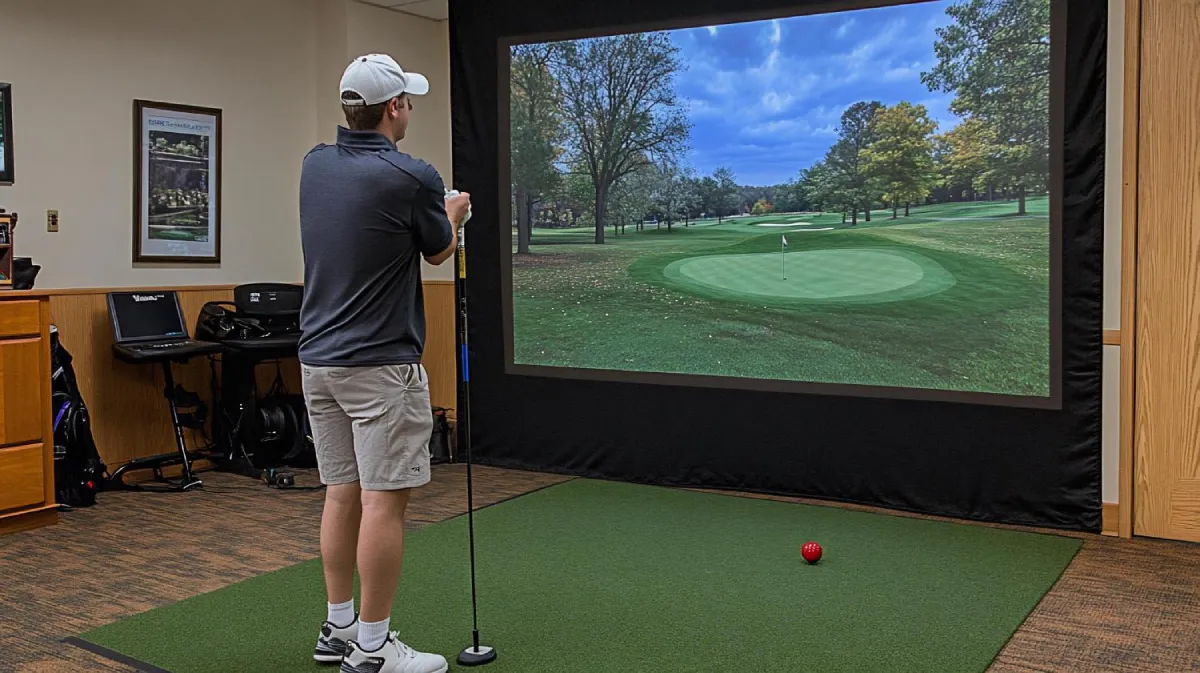
Another factor fueling the trend is the way people now approach home use. A room is no longer defined solely by furniture or tradition. A formal dining space can become a multipurpose entertainment or recreation room. A garage can transform into a hybrid practice zone. Even compact living spaces can host portable or collapsible simulator components.
Design emphasis has shifted from appearances to experience.
For many households, a golf simulator becomes more than a training tool, it’s a gathering point. Family members join in, guests try it, and game nights begin to blend athletic activity with digital competition.
The Emotional Side of Practice
Something subtle happens when golfers bring practice into the home: the tone changes. A golf simulator environment removes performance pressure. There’s no audience, no waiting, no comparison, just time to explore, adjust, and experiment.
For many, that privacy creates a sense of ease that supports learning. Mistakes feel less intimidating. Progress feels more personal.
The shift isn’t just physical, it’s mental.
Home practice becomes a moment of focus, a break in the day, or a calming ritual. The simulator becomes not only a training tool but a familiar space that supports routine and rhythm.
A Blending of Sport, Technology, and Lifestyle
Home golf simulators sit at the intersection of three growing interests: personal skill development, home-based recreation, and smart technology. What sets them apart is how naturally they fit into modern living patterns.
People are investing more in making their homes comfortable, purposeful, and expressive of who they are. Hobbies and passions aren’t placed outside the home, they’re integrated into it.
And as more golfers see how accessible simulator setups have become, the question shifts from Is this possible? to Where will it go?
The answer suggests a continuing evolution, equipment that becomes smarter, designs that become more adaptable, and homes that support both leisure and skill.
The appeal of home golf simulators isn’t a trend rooted in novelty. It’s a reflection of how people want to live: connected to what they care about, able to practice at their own pace, and free to enjoy the game in a space that feels entirely their own.


Leave a Reply