

Job Application Fatigue: Causes and Solutions
If you’ve been grinding through job applications for weeks with little to show for it, you’re not imagining the exhaustion. Job application fatigue is real, and Glassdoor even named “fatigue” its 2025 workplace word of the year. The numbers back it up: 72% of job seekers say the process has harmed their mental health, and nearly half cite employer ghosting as their biggest frustration.
Understanding why this happens can help you break the cycle. In this guide, we’ll explore what job application fatigue actually is, the systemic reasons it’s gotten worse, and practical strategies to overcome it.
What Is Job Application Fatigue?
Job application fatigue is the cumulative emotional and mental exhaustion from submitting applications, waiting endlessly, and facing rejection after rejection. Research describes it as “emotionally and mentally exhausting”, leaving job seekers feeling stuck and unmotivated.
Common signs include:
- Spirits sinking with each rejection – what started as excitement turns into dread
- Procrastination kicks in– delaying applications because the process feels pointless
- Generic applications everywhere– you’ve stopped customizing, just copy-paste-submit
- Avoiding interview prep – some skip preparation or interviews entirely out of fear
- Self-doubt creeps in – constant rejection makes you question your skills and career path
If this sounds familiar, you’re not alone. The modern job market has structural issues that make fatigue almost inevitable.
Why Does Job Application Fatigue Happen?
Several trends have converged to make job searching more draining than ever:
How Many Job Applications Does It Take to Get Hired?
It’s a numbers game with brutal odds. The average corporate job posting gets 250 applications, but only 4-6 candidates get interviews. That’s less than a 2% chance per application. Many job seekers report needing to apply to 100+ positions to land a single offer, with some analyses suggesting several hundred applications in competitive fields.
Why Do Employers Ghost Job Applicants?
44% of job seekers cite being ghosted by employers as one of their biggest frustrations. You spend hours perfecting an application, submit it, and… nothing. No response, no closure, just silence.
The emotional toll of constant uncertainty is enormous and cumulative. One job seeker described it: “Countless applications, interviews that feel promising, and then the familiar ‘Thank you, but we’ve decided to move forward with another candidate.’ It wears you down. It makes you question your path.”
How Long Does the Average Job Application Take?
Nearly half of job seekers (49%) agree that most employer application processes are too long. Studies show once an application exceeds 15 minutes, candidates start abandoning it.
Yet some companies demand 30+ minute applications where you re-enter your résumé, answer essays, and complete hour-long assessments. After ten identical forms, anyone would burn out.
How Many Interview Rounds Are Normal?
Companies now conduct 42% more interviews per hire than a few years ago, averaging 20 interviews to fill one position. Making it to the third or fourth round, getting hopeful, then hearing “no” is more draining than immediate rejection.
How Does Economic Uncertainty Affect Job Seekers?
| Stressor | Impact |
| Economic uncertainty | 78% of professionals
say current events drain their energy |
| Financial pressure | Panic as savings dwindle |
| Searching while employed | Evenings and weekends consumed |
| Time-cost tradeoff | Time applying has no guarantee of income |
What Happens If You Ignore Job Application Fatigue?
Left unaddressed, application fatigue creates serious consequences. Declining application quality creates a downward spiral. Missed opportunities happen as people quit searching entirely. Mental health strain affects that 72% we mentioned earlier. Career drift sets in as exhausted candidates settle for wrong-fit roles.
How to Overcome Job Application Fatigue
How to Set Job Search Boundaries
Treat your job search like a job with defined hours. Setting clear boundaries “supports mental clarity and protects you from constant job application fatigue”.
Try this schedule:
→ Dedicate specific hours (9am-3pm or 3 hours each evening)
→ Break tasks into theme days (Monday: search, Tuesday: customize résumés, Wednesday: submit, Thursday: network, Friday: skill-building)
→ Give yourself permission to unplug after your “shift”
Taking regular breaks, just as you would at a normal job, helps your brain rest and process. You’ll come back sharper.
Setting Realistic Job Search Goals
Instead of obsessing over “get a job,” focus on controllable metrics. Recruitment firms recommend targets like “send out 5 applications by week’s end, but only to organizations I really want to work for”.
Celebrate progress:
- HR manager responded
- Recruiter viewed your LinkedIn
- Made it to a second interview
- Completed 3 quality applications this week
Each step forward deserves recognition.
Quality vs Quantity in Job Applications
This is counterintuitive but critical. Spraying résumés to 100 unrelated jobs often yields fewer results than 10 well-tailored applications. Career experts note the “best way to apply” in 2025 isn’t blasting résumés, but strategic targeting.
Define your non-negotiables: role type, industry, salary range, location. As one guide advises: “Do not send out 15 applications in one day; calmly look at which vacancies really appeal to you.”
Job seekers who tailor effectively see response rates of 15-40%, versus the <2% average. That’s transformative for morale.
Best AI Tools for Job Applications
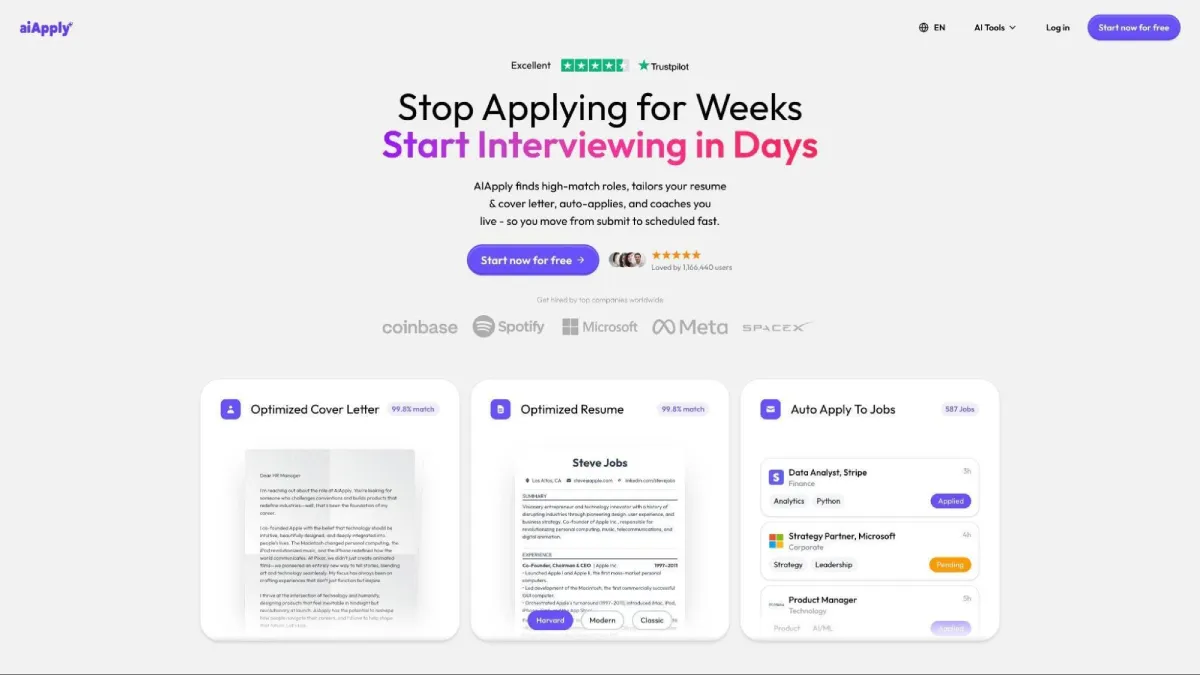
You don’t have to do everything manually anymore. AI-powered résumé builders like AIApply’s AI Resume Builder instantly tailor your résumé to specific job descriptions. AI cover letter generators draft personalized letters in seconds.
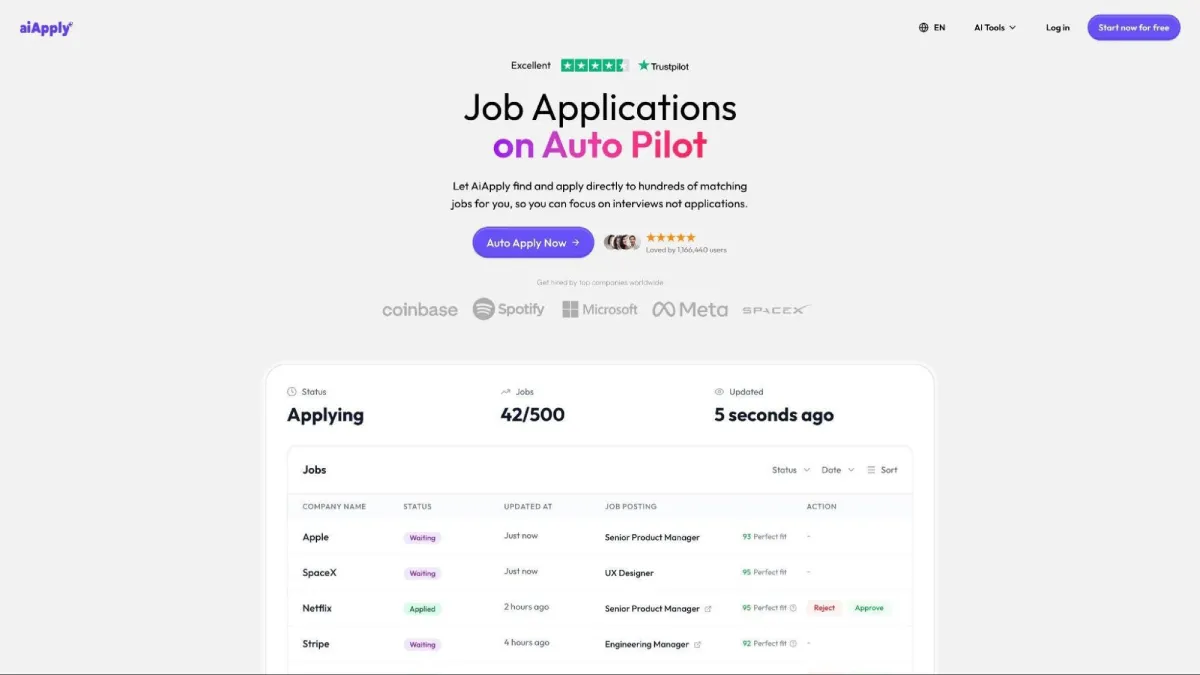
Auto-apply tools can be transformative. Platforms like AIApply’s Auto Apply scan millions of postings and submit applications at scale while customizing documents for each role. It’s like having a tireless assistant who can apply to hundreds of jobs with a click.
| Approach | Use Case | Result |
| Heavily customized applications | Top 5-10 dream roles | Deep personalization |
| Automated bulk applications | Hundreds of relevant positions | Wide net coverage |
| Combined strategy | Both quality and quantity | Best of both worlds |
Interview practice bots reduce anxiety. Tools like AIApply’s Mock Interview Simulator simulate questions, analyze answers, and provide private feedback. Being well-prepared counteracts negativity from rejections.
How to Get Feedback After Job Rejection
When stuck in a rut of non-responses, outside input is crucial:
① After rejections: Politely ask employers for feedback. Not everyone responds, but even one insight is valuable.
② Professional reviews: Get your résumé and LinkedIn reviewed by a career counselor or knowledgeable friend.
③ Learn from interviews: If you stumble on a question, research the best answer and practice it.
Approach the search as continuous improvement, not a repetitive loop. Each tweak improves your odds.
Self-Care Tips for Job Seekers
Critical truth: Taking care of yourself isn’t “wasting time.” It’s an investment in your job search success.
Sufficient relaxation is “the first important measure” to prevent burnout. Schedule downtime, stay active (exercise “burns off nervous energy and clears your head”), maintain routine, stay socially connected, and consider professional support if anxiety interferes with daily functioning.
When you feel better, you interview better. You can’t pour from an empty cup.
Building a Job Search Support Network
Don’t go through this alone. Buddy up with fellow job seekers to keep each other motivated. Join LinkedIn groups, Reddit communities, or Slack channels. Engage mentors or former bosses for fresh ideas.
Leverage your network. Some estimates say 85% of jobs are filled through networking and referrals. Referred candidates have a much higher success rate (30% vs. <2% for cold applicants).
When to Change Your Job Search Strategy
If your approach isn’t yielding results, change it:
① Try different application methods (company websites, cold emails, virtual fairs)
② Polish your LinkedIn (profiles with good photos get 21 times more views)
③ Expand or adjust criteria slightly to reveal unexpected fits
④ Upskill strategically to boost your résumé and confidence
⑤ Stay updated on current hiring trends
Treat your job search like a living project. Iterate on your strategy. This keeps you mentally engaged.
Overcoming Job Application Fatigue: Final Thoughts
Job application fatigue is real, but it doesn’t have to defeat you. Even in a challenging market, people land jobs every day. With the right approach, you will too.
Remember: acknowledge the fatigue but don’t let it paralyze you. Implement boundaries, focus on quality opportunities, use technology for quantity, take care of your mind and body, surround yourself with support, and keep learning.
Maintain perspective. A job search is temporarily hard. It’s not a reflection of your worth. Every “no” puts you closer to the right “yes.”
Don’t give up. Use these strategies to recharge your motivation and optimize your approach. Job application fatigue might be common in 2026, but it’s also conquerable.
Frequently Asked Questions
How long does job application fatigue typically last?
It varies, but fatigue often sets in after 4-6 weeks of intensive searching without results. Implementing better strategies (boundaries, automation, self-care) can break the cycle within 2-3 weeks.
Is it normal to feel depressed during a long job search?
Yes, absolutely. 72% of job seekers report that the process has harmed their mental health. If experiencing serious symptoms, consider speaking with a mental health professional. Many communities offer low-cost services for the unemployed.
Should I take a break from job searching if I’m burnt out?
Instead of stopping entirely, try restructuring your approach. Reduce daily application time, focus only on quality opportunities, and spend saved time on skill-building or networking. A strategic pause (a few days to a week) can help, but keep some momentum.
How can I stay motivated after dozens of rejections?
Reframe what “success” means. Celebrate small wins: callbacks, networking connections, skills learned, improved application quality. Remember that response rates can reach 15-40% with the right strategy, versus the <2% average.
Does using AI tools like AIApply actually help reduce fatigue?
Yes, when used strategically. Automation handles repetitive tasks that drain energy, freeing you for high-value activities like networking and interview prep. Tools that apply to hundreds of jobs with a click maintain volume while you conserve energy.
What’s the single most effective way to combat application fatigue?
If you can only change one thing, target quality over quantity. Stop applying everywhere and focus on roles that genuinely fit. One well-tailored application has better odds than ten generic ones. Quality targeting transforms the experience from exhausting to empowering.
When should I consider changing my career direction entirely?
Before making major changes due to fatigue, give proper strategies 6-8 weeks to work. Many people consider pivots during exhaustion but later regret hasty decisions. If after implementing these tactics you still feel unfulfilled (not just tired), then explore adjacent roles. Don’t let temporary fatigue drive permanent decisions.


Leave a Reply