
How Mobile Dental Programs in Schools Help Identify Orthodontic Issues Like Overbite Early
Catching dental problems early can change a child’s life. Yet millions of children go years without seeing a dentist. School schedules, transportation barriers, and financial constraints keep families from regular dental visits. Mobile dental programs are changing this reality one school at a time.
These innovative programs bring professional dental care directly to students. No missed school days. No complicated logistics for parents. Just accessible healthcare meeting children where they already are. The impact on early detection of orthodontic issues has been remarkable.
The Growing Role of Mobile Dentistry in Schools
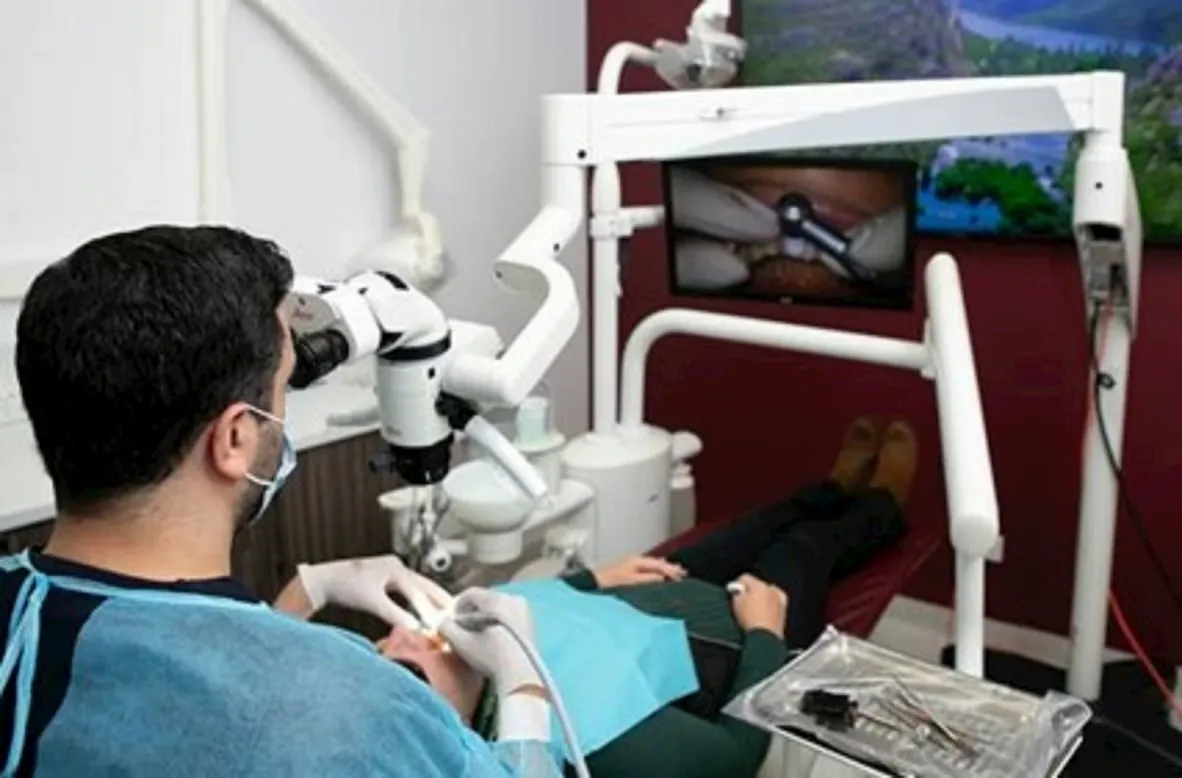
A mobile dentist for schools operates from specially equipped vehicles or portable setups within school buildings. These units contain examination chairs, digital X-ray equipment, and diagnostic tools comparable to traditional dental offices. Licensed dentists and hygienists provide screenings, cleanings, and referrals for advanced care.
The concept addresses a critical gap in pediatric healthcare. According to dental health research, tooth decay remains the most common chronic childhood disease. Many children from underserved communities have never received professional dental examinations. Mobile programs eliminate the primary barriers preventing these children from receiving care.
Schools provide the perfect access point. Children spend significant portions of their day in educational settings. Bringing dental services to schools removes transportation obstacles that often prevent families from scheduling appointments. Parents can consent to examinations without taking time off work.
Why Early Detection of Orthodontic Issues Matters
Orthodontic problems develop gradually. Without professional evaluation, parents often miss early warning signs. By the time issues become obvious, treatment becomes more complex and expensive. Early intervention can prevent years of complications.
Overbite represents one of the most common orthodontic concerns identified during school screenings. This condition occurs when upper front teeth significantly overlap lower front teeth. Mild cases might seem cosmetic. Severe cases affect chewing, speech development, and jaw health.
Children with untreated overbites may experience jaw pain, difficulty eating certain foods, and increased risk of dental trauma. The protruding upper teeth become vulnerable to injury during sports and playground activities. Early identification allows families to explore treatment options before problems escalate.
Beyond overbite, mobile dental screenings identify crowding, spacing issues, crossbites, and underbites. Each condition benefits from early detection. Dentists can monitor developing problems and recommend intervention at optimal times.
How School Dental Screenings Work
The screening process is straightforward and minimally disruptive to the school day. Programs typically send consent forms home with students weeks before the scheduled visit. Parents provide medical history information and authorize examinations.
On screening day, students visit the mobile unit or designated examination area in small groups. Each examination takes approximately ten to fifteen minutes. Dentists check for cavities, gum disease, and orthodontic concerns. They document findings and prepare reports for parents.
Following screenings, families receive detailed results explaining any identified issues. Reports include recommendations for follow-up care. Many programs help connect families with local dental providers who offer sliding-scale fees or accept insurance.
The non-threatening school environment helps children feel comfortable. Many students experience less anxiety than they would in unfamiliar clinical settings. Positive early experiences with dental care establish healthy attitudes that last into adulthood.
Identifying Overbite and Other Orthodontic Concerns
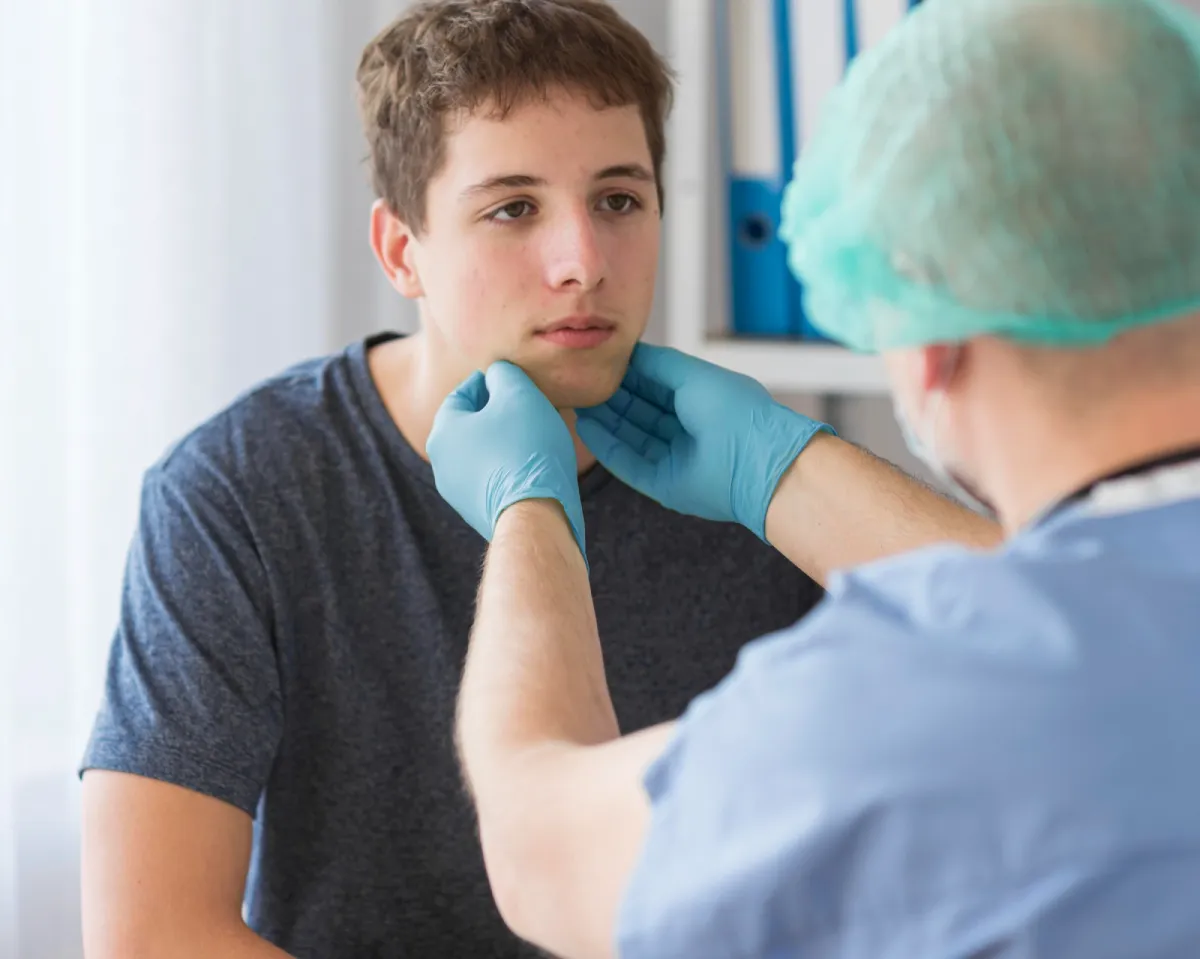
Trained dental professionals can spot orthodontic issues that parents might overlook. During school screenings, dentists evaluate bite alignment, jaw positioning, and tooth eruption patterns. They look for early indicators that suggest future problems.
Overbite detection involves measuring the vertical and horizontal overlap between upper and lower teeth. Dentists assess whether the overbite falls within normal range or requires intervention. They also evaluate contributing factors like thumb sucking habits or abnormal swallowing patterns.
When screenings reveal significant overbite, dentists explain treatment timelines to families. Many children benefit from overbite braces during adolescence when jaw growth can be guided effectively. Early identification gives families time to plan financially and emotionally for treatment.
Other commonly identified issues include crossbites, where upper teeth sit inside lower teeth when biting. Dentists also flag severe crowding that may require extraction or expansion. Open bites, where front teeth do not meet when the mouth closes, receive attention as well.
Benefits of School-Based Dental Programs
The advantages extend far beyond convenience. Research consistently shows that children who receive school-based dental services have better oral health outcomes. Regular screenings catch problems before they cause pain or infection.
Academic performance improves when dental pain is addressed. Children with toothaches struggle to concentrate. They miss school for emergency dental visits. Treating problems early keeps students healthy and present in classrooms.
Equity represents another significant benefit. Children from low-income families often lack access to preventive dental care. Mobile programs serve all students regardless of family income. This democratization of healthcare helps close persistent health disparities.
Parents appreciate the reduced burden on family schedules. Coordinating dental appointments around work and school proves challenging for many families. When care comes to the school, parents avoid taking time off work and arranging transportation.
The Journey from Screening to Treatment
School screenings represent the first step in a longer care continuum. When orthodontic issues like overbite are identified, families receive guidance on next steps. The path from screening to treatment involves several stages.
Initial screening results prompt families to schedule comprehensive orthodontic evaluations. These detailed examinations include X-rays, photographs, and bite impressions. Orthodontists develop personalized treatment plans based on findings.
For children needing overbite braces, treatment typically begins between ages nine and fourteen. This window allows orthodontists to work with natural jaw growth. Earlier intervention can sometimes reduce treatment duration and complexity.
Some children require preliminary treatments before braces. Palatal expanders widen narrow upper jaws. Space maintainers preserve room for permanent teeth. These interventions prepare mouths for successful orthodontic treatment.
Overcoming Barriers to Dental Care
Mobile dental programs specifically target barriers that prevent children from receiving care. Understanding these obstacles helps explain why school-based programs succeed where traditional approaches fail.
Transportation poses significant challenges for many families. Parents without reliable vehicles struggle to reach dental offices. Public transportation adds hours to appointment times. A mobile dentist for schools eliminates transportation concerns entirely.
Cost remains another major barrier. Many families lack dental insurance or cannot afford copays and deductibles. School-based programs often provide free screenings. They connect families with affordable treatment options and assist with insurance navigation.
Awareness also plays a role. Some parents underestimate the importance of pediatric dental care. They assume baby teeth do not matter since permanent teeth will replace them. School programs educate families about how childhood dental health affects lifelong outcomes.
Work schedules create additional obstacles. Parents working hourly jobs cannot easily take time off for children’s appointments. Lost wages compound the financial burden of dental care. School-based services require no parental time off.
What Parents Should Know
Parents can maximize the benefits of school dental programs through active participation. Completing consent forms promptly ensures children receive screenings. Providing accurate medical history helps dentists deliver appropriate care.
Reviewing screening results carefully helps parents understand their children’s dental health. Reports may contain unfamiliar terminology. Parents should not hesitate to contact program coordinators with questions.
Following through on referrals is essential. Screenings identify problems but do not treat them. When dentists recommend orthodontic evaluation for issues like overbite, scheduling that appointment promptly keeps children on track for optimal treatment timing.
Maintaining communication with schools about dental program schedules helps families stay informed. Many programs visit schools annually. Parents should know when screenings occur and ensure consent forms are submitted on time.
The Future of School-Based Dental Care
Mobile dental programs continue expanding across the country. Schools increasingly recognize the connection between oral health and academic success. Partnerships between dental providers and educational institutions are becoming more common.
Technology is enhancing program capabilities. Digital imaging allows immediate sharing of X-rays with specialists. Teledentistry consultations connect school-based providers with orthodontists and oral surgeons. These advances improve referral accuracy and speed.
Funding mechanisms are evolving to support program sustainability. Medicaid reimbursement for school-based services has improved. Grant programs specifically target school dental initiatives. These financial supports help programs serve more students.
Integration with broader school health services represents another trend. Dental screenings increasingly occur alongside vision tests, hearing evaluations, and wellness checks. This comprehensive approach addresses multiple health needs efficiently.
Making a Difference One Smile at a Time
The impact of school dental programs extends beyond individual children. Families develop new understanding of oral health importance. Communities see improvements in overall dental health metrics. Schools report fewer absences related to dental emergencies.
Children who receive early orthodontic intervention experience lasting benefits. Properly aligned teeth are easier to clean, reducing cavity and gum disease risk. Corrected bites function better for chewing and speaking. Confident smiles support social and emotional development.
Every screening represents an opportunity. A child with undetected overbite receives a diagnosis that leads to treatment. A family learns about affordable care options they never knew existed. A student develops positive associations with dental care that persist for life.
Mobile dental programs embody preventive healthcare at its best. By meeting children in schools, these programs catch orthodontic issues early when intervention is most effective. They transform dental care from a privilege into an accessible service for all students.
The movement continues growing because it works. Schools, healthcare providers, and families are recognizing that bringing dental care to children makes more sense than expecting children to navigate complex healthcare systems. One mobile unit at a time, these programs are building healthier communities and brighter smiles.


Leave a Reply