
How Martial Arts Help Children Develop Self-Defense Awareness Without Aggression
Introduction
Many parents worry about their children’s safety but feel conflicted about introducing them to self-defense training. A common concern is whether learning martial arts might encourage aggression or promote physical confrontation. In reality, properly structured karate programs are designed to do the opposite by teaching children how to recognize danger, set boundaries, and respond calmly rather than react impulsively.
Martial arts emphasize awareness, self-control, and responsibility before any physical technique is taught. Through guided instruction and age-appropriate training, children learn that self-defense is about prevention and protection, not fighting. Programs such as those offered at the National Karate School in South Elgin focus on building confidence and decision-making skills while reinforcing respect for others.
This article explains how karate helps children develop real-world self-defense awareness without aggression, highlighting the mental, emotional, and behavioral lessons that make martial arts a trusted choice for parents seeking safe and effective training.
Understanding Self-Defense as Awareness First
True self-defense begins long before physical contact occurs. Karate teaches children to observe their surroundings, recognize uncomfortable situations, and trust their instincts. Awareness training helps kids identify potential risks and avoid them altogether, which is the safest outcome in any scenario.
Instructors often incorporate discussions about personal space, body language, and situational awareness into lessons. Children learn how posture, eye contact, and confidence can discourage unwanted attention. These skills empower kids to carry themselves with assurance, reducing the likelihood of being targeted in the first place.
Teaching Boundaries and Assertive Communication
A critical part of non-aggressive self-defense is learning how to communicate boundaries clearly. Karate training encourages children to use strong verbal cues, confident body language, and calm assertiveness when they feel uncomfortable. This helps them speak up without escalating situations unnecessarily.
Children practice scenarios where they must say no firmly or seek help from trusted adults. These role-based exercises build communication skills that extend beyond safety situations and into everyday interactions at school and in social settings. Over time, children become more comfortable advocating for themselves in respectful ways.
The Role of Discipline and Self-Control
Karate places a strong emphasis on discipline and emotional regulation. Before learning any defensive movement, students are taught to control their reactions and remain calm under pressure. This foundation prevents impulsive behavior and reinforces the idea that physical techniques are a last resort.
Through repetition and structure, children learn patience and restraint. They understand that strength is meaningless without control. At schools like the National Karate School in South Elgin, instructors consistently reinforce that martial arts skills are tools for protection, not for showing dominance or winning conflicts.
Redirecting Energy Instead of Encouraging Aggression
Children naturally have high energy levels, and martial arts provide a healthy outlet for releasing that energy constructively. Instead of suppressing emotions, karate teaches kids how to channel them productively through controlled movement and focus.
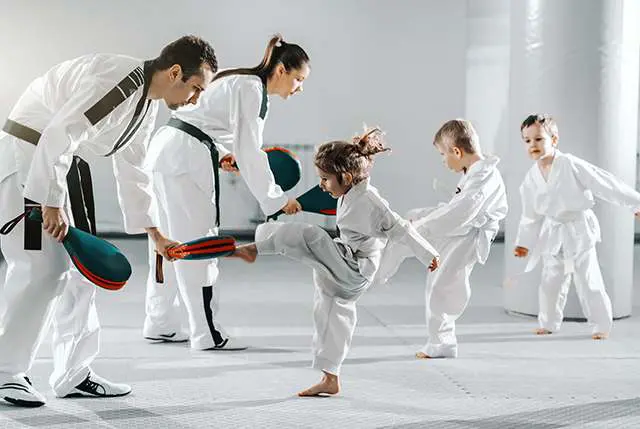
Kicking drills, stances, and forms require concentration and precision. These activities improve coordination while also calming the mind. As children become more disciplined in their movements, they gain better control over emotional responses such as anger or frustration.
Learning When Not to Fight
One of the most important lessons in martial arts is knowing when not to engage. Children are taught that avoidance and de-escalation are signs of strength, not weakness. Walking away from conflict is often the safest and smartest option.
Instructors discuss real-life situations where avoiding confrontation protects everyone involved. This mindset helps children resist peer pressure and avoid dangerous situations. Rather than feeling the need to prove themselves, students gain confidence in making thoughtful decisions.
Building Confidence Without Hostility
Confidence plays a major role in personal safety. Children who feel secure in themselves are less likely to be targeted by bullies or manipulators. Karate builds confidence gradually through skill development, clear expectations, and positive reinforcement.
Each achievement, from mastering a stance to earning a new belt, reinforces a child’s sense of capability. This confidence does not manifest as arrogance but as quiet self-assurance. Children learn that they do not need to dominate others to feel strong.
Emotional Awareness and Stress Management
Emotional regulation is a core element of effective self-defense. Children who can manage fear or anxiety are better equipped to make rational decisions in stressful situations. Karate incorporates breathing techniques and mental focus exercises that help students remain calm.
These skills reduce panic responses and promote clear thinking. Children learn to pause, assess, and choose the safest response rather than reacting emotionally. This emotional intelligence supports both personal safety and overall well-being.
Reinforcing Respect and Responsibility
Respect is deeply woven into martial arts culture. Students bow, follow structured rules, and treat instructors and classmates with courtesy. This environment reinforces empathy and accountability, discouraging aggressive behavior.
Children also learn responsibility for their actions. They are taught that misuse of martial arts skills carries consequences. This understanding reinforces ethical behavior and helps students develop strong moral judgment as they grow.
Practical Safety Skills for Everyday Life
Karate training includes age-appropriate discussions about everyday safety, such as staying aware in public places, understanding personal space, and recognizing unsafe behavior. These lessons are practical and relevant without being fear-based.
Children learn how to seek help, identify trusted adults, and respond appropriately in unfamiliar situations. These skills equip them with confidence and awareness rather than fear or aggression. The goal is preparedness, not confrontation.
The Long-Term Impact of Non-Aggressive Training
Over time, children who practice martial arts develop strong internal values that guide their behavior. They become more thoughtful, respectful, and self-assured. These traits influence how they handle challenges at school, with peers, and later in adulthood.
The emphasis on awareness, restraint, and responsibility creates individuals who are capable of protecting themselves without harming others. Families who choose programs like those at the National Karate School in South Elgin often notice positive changes in their children’s behavior, communication, and decision-making skills.
Conclusion
Martial arts offer a powerful way to teach children self-defense without promoting aggression. By focusing on awareness, communication, emotional control, and ethical responsibility, karate equips kids with the tools they need to stay safe while remaining respectful and confident. Physical techniques are taught carefully and responsibly, always framed as a last line of defense.
For parents seeking a balanced approach to safety training, karate provides lasting benefits that extend far beyond self-defense. With structured programs like those at the National Karate School in South Elgin, children learn how to protect themselves thoughtfully, build confidence, and navigate the world with awareness and integrity.


Leave a Reply