
What Every Property Owner Should Know About Asbestos Testing
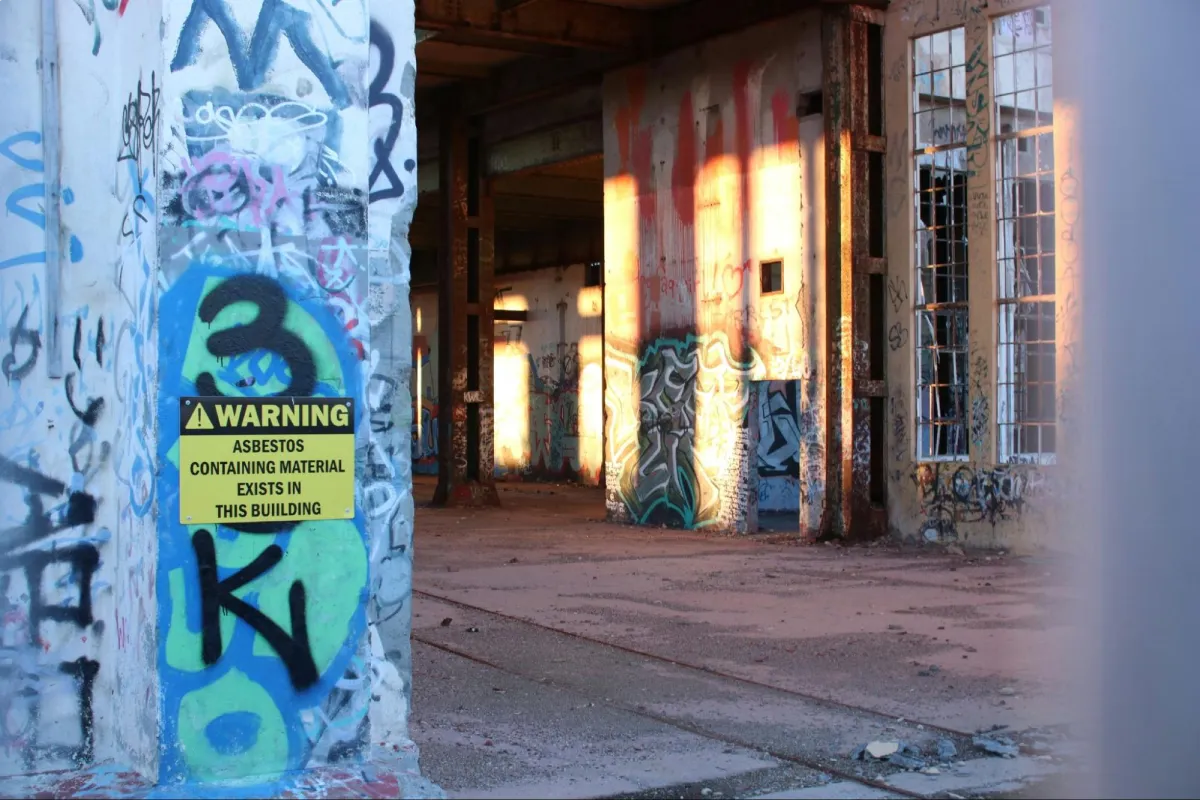
Asbestos remains one of the most significant hidden hazards in buildings across New Zealand, particularly in structures built before the year 2000.
Understanding when and why you need professional testing is the first step toward protecting the health of everyone who lives, works, or visits your property.
Why Asbestos Is Still a Concern Today
Many people assume that asbestos is a problem of the past, but the reality is that thousands of New Zealand buildings still contain asbestos materials in walls, roofing, flooring, insulation, and cladding.
These materials are not always dangerous when left undisturbed, but they become a serious health risk the moment they are damaged, deteriorated, or disturbed during renovation and demolition work.
The microscopic fibres released from damaged asbestos materials can be inhaled without a person even realising it.
Prolonged exposure to these fibres is linked to severe respiratory conditions, including asbestosis, lung cancer, and mesothelioma, which is why identification and proper management are so critical.
When Asbestos Testing Becomes Essential
Any property owner planning renovations, refurbishments, or demolition work should arrange for professional asbestos testing before the project begins.
This is not simply a recommendation but a legal requirement under New Zealand’s Health and Safety at Work (Asbestos) Regulations 2016, which place clear obligations on building owners and contractors.
Testing is also essential when you suspect that existing materials in your building may contain asbestos, even if no construction work is planned.
Older buildings with deteriorating surfaces, water damage, or general wear and tear may already be releasing fibres into the air without any visible warning signs.
How Professional Asbestos Testing Works
The testing process begins with a qualified surveyor visiting your property to identify and collect samples of suspect materials. These samples are then sent to an accredited laboratory where analysts determine whether asbestos is present, what type it is, and in what concentration.
A standard testing service typically includes a short sampling report with photographs and a laboratory certificate documenting the findings.
While this targeted approach focuses on specific materials of concern rather than surveying the entire building, it provides the essential information needed to make safe and informed decisions about next steps.
The Difference Between Testing and a Full Survey
It is important to understand that a basic asbestos test and a comprehensive demolition or refurbishment survey are two different services.
A test focuses on specific materials that a property owner or contractor is concerned about, while a full survey systematically identifies all asbestos-containing materials throughout an entire building.
If you are planning significant building work, a demolition and refurbishment survey is generally the more appropriate option.
This thorough assessment ensures that every potential source of asbestos is located and documented before any construction activity begins, protecting workers and occupants alike.
Types of Asbestos Testing Services Available
Professional consultancies offer a range of testing services designed to address different situations and requirements. These typically include material sampling and lab analysis, air monitoring to detect airborne fibre concentrations, and comprehensive management surveys for ongoing building safety.
Air testing is particularly important during and after asbestos removal work to confirm that fibre levels remain within safe legal limits.
Laboratory testing, conducted in accredited facilities, provides the definitive identification of asbestos type and concentration that is required for compliance documentation and informed decision-making.
The Four-Stage Clearance Process
After asbestos removal has been completed, a systematic clearance process is required before an area can be safely reoccupied.
This four-stage procedure includes a preliminary site check, a thorough visual inspection, air monitoring with surface sampling, and a final assessment leading to clearance certification.
Each stage must be completed satisfactorily before the next can begin, ensuring that no residual contamination remains. Skipping or rushing any stage of this process puts occupants at risk and can result in serious regulatory consequences for building owners and contractors.
Choosing the Right Testing Provider
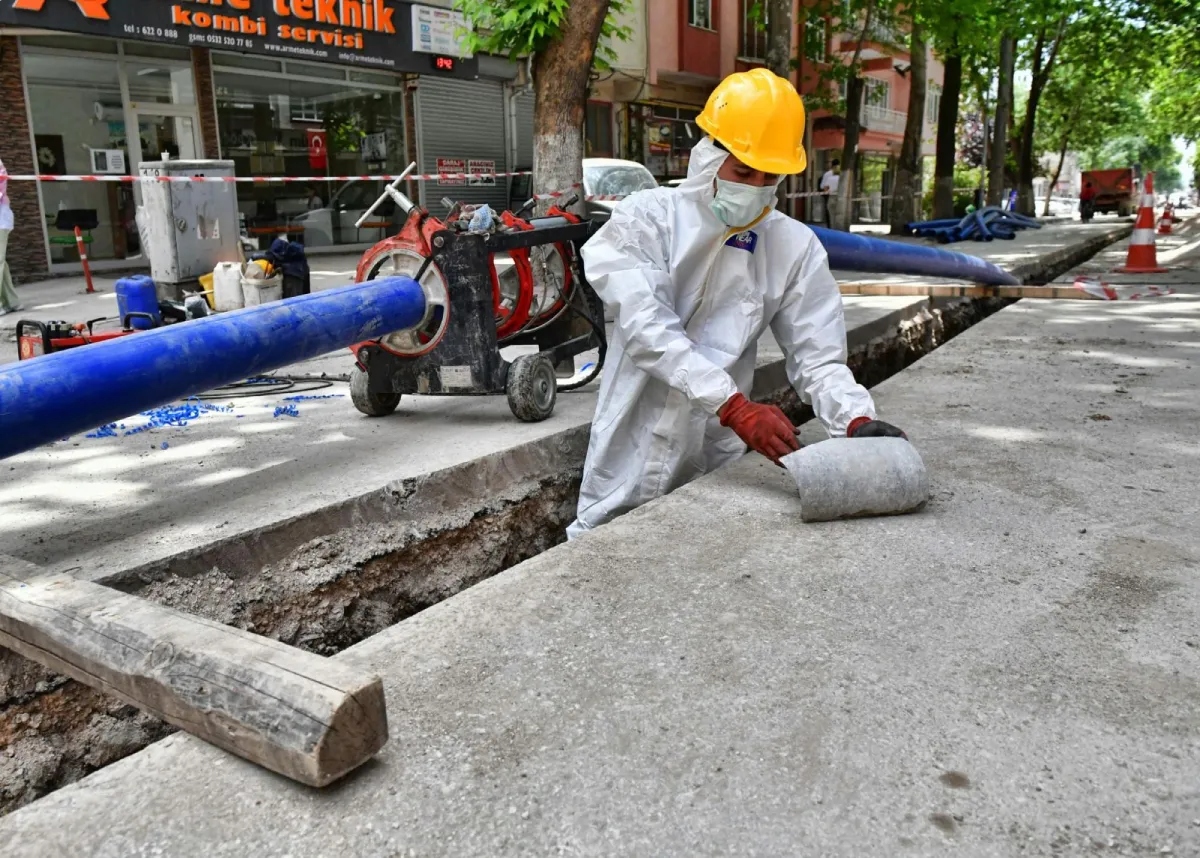
Selecting a qualified and experienced testing provider is one of the most important decisions a property owner can make regarding asbestos management.
You should look for consultancies that employ licensed assessors, use IANZ-accredited laboratories, and have a proven track record across a range of property types and project scales.
When searching for asbestos testing NZ services, providers like SQN Consulting stand out for their depth of experience and comprehensive approach to asbestos identification and management.
A reputable provider will not only deliver accurate results but also guide you through compliance procedures and recommend appropriate next steps based on their findings.
Legal Obligations for Property Owners
New Zealand law places specific duties on property owners and persons conducting business or undertakings to identify and manage asbestos risks.
Failing to test for asbestos before disturbing building materials can result in prosecution, fines, and significant liability if workers or occupants are exposed to harmful fibres.
The regulations require that asbestos-containing materials be identified, assessed for condition and risk, and managed through an appropriate plan.
Property owners who take a proactive approach to testing and management not only protect people’s health but also avoid the costly legal and financial consequences of non-compliance.
The Role of an Asbestos Management Plan
Once testing has identified asbestos-containing materials in a building, an asbestos management plan becomes an essential ongoing document.
This plan outlines procedures for monitoring, maintaining, and managing those materials to ensure they do not pose a risk to building occupants over time.
A well-prepared management plan includes details on the location and condition of identified materials, scheduled re-inspection dates, and clear procedures for what to do if materials become damaged.
It serves as a living document that evolves with the building and provides a clear framework for safe management throughout the property’s lifecycle.
Common Materials That May Contain Asbestos
Asbestos was used in a remarkably wide range of building products due to its durability, fire resistance, and insulating properties.
Common locations include roofing materials, wall and ceiling linings, vinyl floor tiles, pipe insulation, textured coatings, and cement-based cladding products.
The challenge is that asbestos-containing materials often look identical to their non-asbestos counterparts, making visual identification unreliable.
This is precisely why laboratory testing is the only way to confirm whether a material contains asbestos, and why assumptions should never replace professional analysis.
Taking the First Step
If you own or manage a property built before 2000, arranging for professional asbestos testing should be a priority rather than something you put off until a problem arises.
Early identification gives you the knowledge and time to manage risks properly, plan any necessary removal work, and ensure full compliance with current regulations.
The process is straightforward and begins with a simple enquiry to a qualified consultancy that can assess your situation and recommend the appropriate level of testing.
Investing in professional asbestos testing today is one of the most effective ways to protect the health of building occupants and safeguard your property for the future.


Leave a Reply