
How to Build a Social Media Conversion Funnel Without Paid Ads
Social media remains one of the most powerful distribution channels available to businesses. As of 2025, there are over 5.3 billion social media users worldwide, representing roughly 65% of the global population. On average, users spend around 2 hours and 20 minutes per day across platforms. That level of attention creates a large opportunity, but visibility alone does not generate revenue.
Many businesses rely heavily on paid advertising to move people from awareness to purchase. However, organic reach can still drive consistent conversions when supported by a structured funnel. The key is building a system that guides followers from first contact to final decision without relying on ad spend.—something platforms like ZenBusiness help entrepreneurs streamline as they grow and scale their operations.
Below is a practical guide to building a social media conversion funnel using only organic strategies.
What a Social Media Conversion Funnel Means
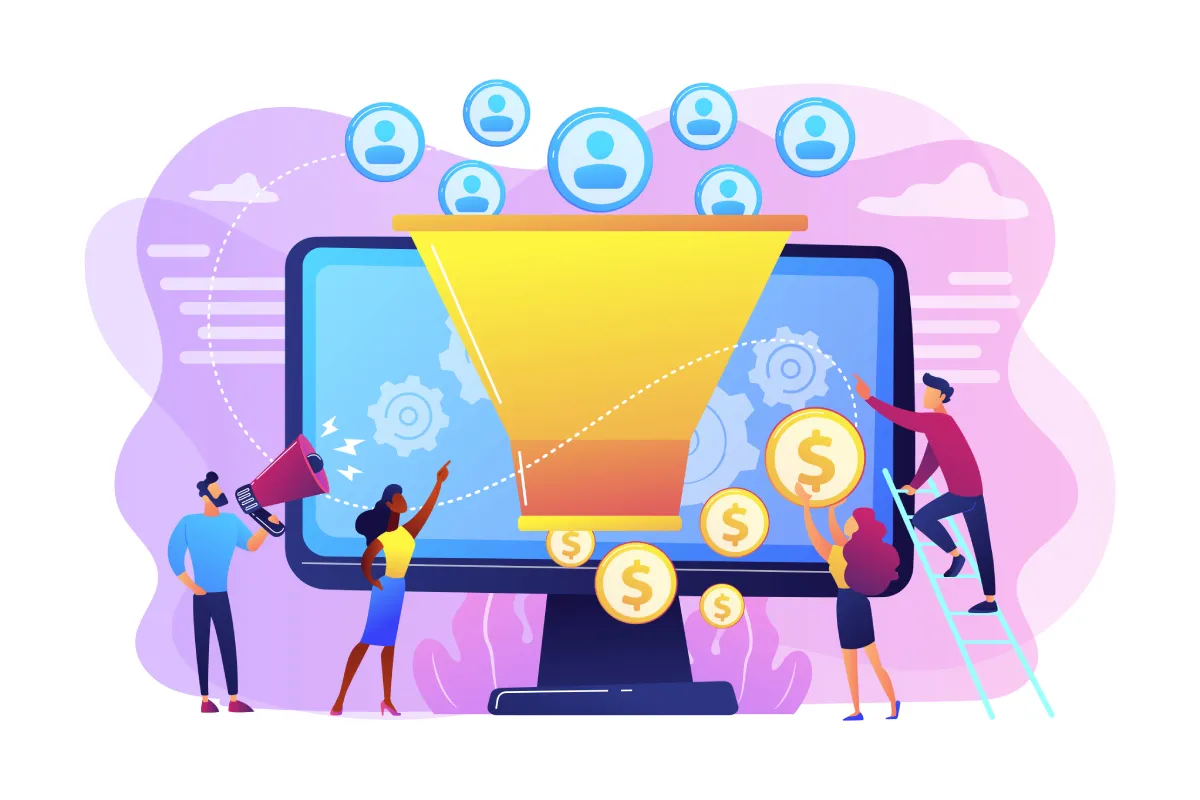
A conversion funnel is a structured path that moves people through stages.
- Awareness
- Interest
- Consideration
- Conversion
- Retention
Without a funnel, social media activity becomes random posting. With a funnel, every piece of content serves a purpose. Each stage answers a specific question in the buyer’s mind.
When built correctly, the funnel works continuously. New audiences enter at the top, some move forward, and a portion converts.
The Core Stages of an Organic Social Media Funnel
A social media conversion funnel moves people step by step, from discovering your content to becoming repeat customers. Each stage has a specific purpose, and skipping any of them usually weakens the entire system. When these stages are connected properly, organic growth becomes more predictable and consistent.
Stage 1: Build Awareness with Focused Content
The first step is attracting the right audience. Not everyone on social media is your potential customer. Growth becomes meaningful only when it is aligned with your offer.
Start by clearly defining your target audience. Understand their problems, goals, and daily challenges. Then create content that speaks directly to those concerns. Educational posts, short explainer videos supported by thoughtful explainer video production, practical tips, and behind-the-scenes insights work well at this stage.
Consistency matters more than posting large amounts of content. Showing up regularly with relevant ideas builds familiarity. Over time, familiarity builds trust.
Platform selection should also match your audience. Professional audiences tend to engage more on LinkedIn, visual consumer brands often perform strongly on Instagram, and short-form discovery content works well on TikTok. Choose the platform where your audience already spends time.
Stage 2: Capture Interest Through a Clear Next Step
Awareness alone does not build a business. You need a way to move interested followers into a space you control, such as an email list.
This usually happens through a simple exchange of values. Offer something useful in return for contact information. It could be a short guide, a checklist, a template, or access to a webinar. The key is relevance. The offer must solve a specific problem that your audience already cares about.
Make the next step clear in your content. Instead of just sharing information, guide people toward the link in your bio or a sign-up page. Without direction, even interested followers will not take action.
Stage 3: Nurture Trust Through Consistent Communication
Once someone joins your email list, the real relationship begins. Social platforms control visibility, but email allows direct communication.
Instead of immediately pushing a sale, use the first few emails to provide helpful insights. Share examples, clarify common misconceptions, and explain how problems can be solved. This builds credibility.
As trust develops, introducing your product or service feels natural. People are more likely to buy when they understand the value clearly and feel informed rather than pressured.
Stage 4: Present the Offer Clearly
Many organic funnels fail because the offer is unclear. After building awareness and trust, you must present a direct and simple opportunity to buy.
Explain what you offer, who it is for, and what result it delivers. Remove confusion. If possible, include examples or testimonials that demonstrate real outcomes. Clarity converts better than persuasion tactics. When people understand the benefit and the next step, decision-making becomes easier.
Stage 5: Strengthen Decisions with Social Proof
Before making a purchase, most people look for reassurance. This is where social proof plays an important role.
Share customer feedback, case studies, or real results. Even short testimonials can reduce hesitation. You can integrate these into your social content and email sequence. Seeing others benefit builds confidence and reduces perceived risk.
Stage 6: Focus on Retention and Repeat Engagement
A conversion funnel does not end with a sale. Retention keeps the system sustainable. After someone becomes a customer, stay connected. Send follow-up emails, provide usage guidance, and offer additional value. Encouraging feedback and engagement strengthens the relationship.
Satisfied customers are more likely to purchase again and refer others. Over time, this reduces the pressure to constantly attract new audiences.
Why Email Still Matters in an Organic Funnel
Social media platforms control visibility. Even your followers may not see every post you publish. That is why moving people to an email list is so important in an organic funnel.
Email gives you direct access to your audience. It allows longer explanations, structured follow-ups, and clearer presentation of your offer. Unlike social media feeds, email does not depend on algorithm changes.
When someone joins your email list, they are showing higher intent than a casual follower. That intent should be respected with consistent, thoughtful communication. Over time, this builds familiarity and increases the likelihood of conversion. In short, email marketing is an essential component in increasing conversions and growing your business.
The Role of Community Engagement
Organic funnels grow faster when you actively engage with your audience. Replying to comments, responding to direct messages, and participating in conversations within your niche increases visibility.
Engagement signals to platforms that your content is relevant. More importantly, it strengthens personal connections. People are more likely to buy from someone who feels accessible and responsive.
Even small actions, like thoughtful replies, can move someone from awareness to genuine interest. Over time, consistent interaction becomes part of your funnel’s growth engine.
As community engagement increases, internal coordination is just as essential. For teams that handle content, answer questions, and nurture leads, having secure communication channels is vital. Troop Messenger, for example, provides deployment options for teams, particularly marketing teams, that want a self-hosted version for collaboration and managing campaign conversations and customer interactions, which is particularly useful for companies that value data security and use organic social media funnels.
How to Create a Simple Content Plan That Supports the Funnel
A conversion funnel works best when your content is intentional. The same structured approach applies beyond marketing. Professionals now use automation tools, including the best tool to apply for jobs, to turn repetitive application tasks into organized workflows rather than manual effort.
Random posting may create engagement, but it rarely moves people forward. A simple weekly structure can make a noticeable difference.
For example, you might dedicate certain days to awareness content, such as educational insights, other days to trust-building posts like case examples, and one day to directly highlight your offer. This balanced approach ensures that your audience sees value consistently while being gently guided toward action.
Planning content also helps maintain consistency. Using a social media aggregator can make this process easier by bringing content and engagement from multiple platforms into one place, helping you monitor performance and maintain a consistent publishing schedule. When followers regularly see helpful posts that relate to their needs, they begin to associate your account with reliability. Over time, this steady presence strengthens the funnel without requiring paid promotion.
What Not to Do – Most Common Failures
A system refers to a funnel. Social media becomes a source of noise when it lacks structure.
- Trying to sell immediately without warming the audience
- Posting valuable content but not providing a clear next step
- Failing to follow up after someone downloads a resource
- Ignoring analytics and guessing what works
Wrapping It Up
Building a social media conversion funnel without paid ads is possible, but it needs a clear plan. People who see your content should have an easy way to stay connected, such as by joining your email list. After that, regular and helpful communication should build trust. When the timing feels right, you present your offer. Once someone becomes a customer, staying in touch helps encourage repeat purchases.
With billions of people using social platforms every day, attention is already there. What matters is guiding that attention step by step. When done properly, organic social media can generate steady conversions without relying on paid ads.


Leave a Reply