
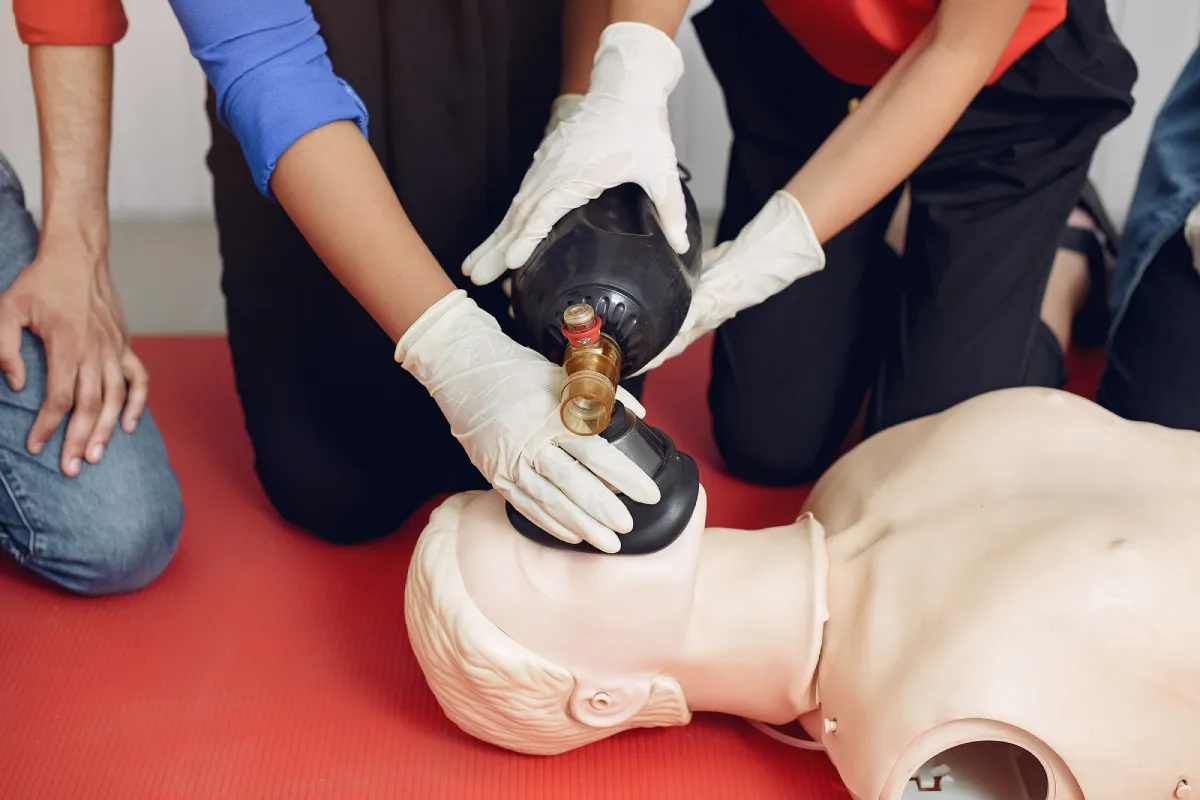
How First Aid Training Saves Lives and Protects Your Business
Medical emergencies do not announce themselves. They happen on ordinary days, in ordinary workplaces, to people who were not expecting anything to go wrong. A colleague collapses during a meeting. A customer has a severe allergic reaction. A worker suffers a serious injury on site. In these moments, the difference between life and death often comes down to whether someone nearby knows what to do and can act immediately before emergency services arrive.
First aid training gives people that capability. It is one of the most direct and practical investments a business can make in the safety of its team, its customers, and anyone who enters its premises. And beyond the human impact, it carries legal, financial, and reputational dimensions that make it a genuine business priority rather than simply a compliance requirement.
Australia has clear workplace health and safety obligations that require employers to ensure first aid provisions are in place and adequate for their specific workplace risk profile. But the most forward-thinking businesses go well beyond the minimum. They invest in genuine capability development, which means their people can respond with confidence and competence when a real emergency occurs.
The Minutes That Matter Most
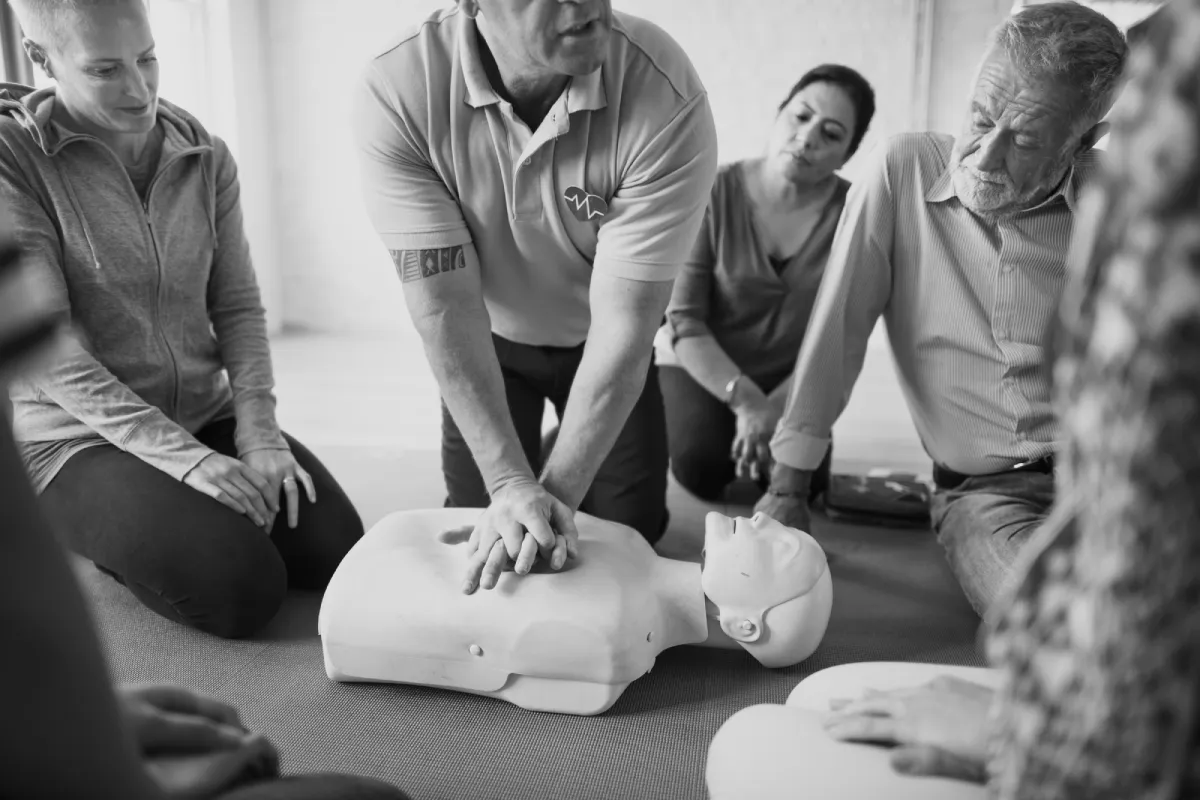
In a cardiac arrest, brain damage begins within four to six minutes of the heart stopping. Survival rates decrease by approximately ten percent for every minute that passes without CPR and defibrillation. By the time an ambulance arrives, which in many Australian locations takes eight minutes or more on average, the window for a positive outcome has already narrowed dramatically.
A trained first aider who can begin CPR immediately changes that equation entirely. Bystander CPR more than doubles the survival rate of out-of-hospital cardiac arrests. That outcome is not possible without training, because the instinct to act without knowledge of how to act correctly is rarely sufficient.
For businesses in South Australia, accessing professional first aid training in Adelaide through First Aid Certification and Training provides staff with the CPR and emergency response skills that turn bystanders into capable first responders. Courses are structured to build genuine confidence alongside technical competency, which is what determines whether someone actually acts in a crisis rather than freezing.
The same principle applies in every workplace regardless of the perceived risk level. Office environments, retail spaces, schools, and hospitality venues all see cardiac events, severe allergic reactions, diabetic emergencies, and choking incidents. Risk is not confined to physically demanding work environments, and first aid capability should not be either.
Legal Obligations and What They Actually Mean
Safe Work Australia’s model WHS regulations require employers to provide first aid equipment and access to trained first aiders, with the specific requirements varying based on the nature and size of the workplace and the hazards it involves. In high-risk industries including construction, manufacturing, mining, and healthcare, these requirements are more stringent and more actively enforced.
Non-compliance carries real consequences. Businesses that fail to meet first aid obligations can face significant fines, enforcement action, and increased scrutiny following any workplace incident. More significantly, a workplace injury or death where inadequate first aid provision is found to have contributed to the outcome creates legal exposure and reputational damage that far exceeds the cost of proper training.
The documentation of first aid training also matters in the event of any workplace incident investigation. Having verifiable records of who holds current certifications, when those certifications were obtained, and when they are due for renewal is part of the due diligence that demonstrates an organisation takes its safety obligations seriously.
Building a Culture of Safety That Goes Beyond Compliance
The businesses that take first aid training most seriously are not primarily motivated by compliance. They are motivated by genuine care for the people in their workplace and a recognition that safety culture is built through action rather than policy documents.
When a business invests in first aid training for a meaningful proportion of its workforce rather than just the minimum number required by regulation, it sends a clear message about its values. Employees who feel genuinely protected in their workplace are more engaged, more loyal, and more likely to contribute to the safety culture that makes serious incidents less likely in the first place.
First aid training also builds broader emergency awareness. People who have completed a course think differently about their environment. They notice potential hazards, know where the defibrillator is located, understand what information emergency services need when called, and feel a greater sense of personal responsibility for the safety of those around them.
For businesses in Queensland looking to build that culture from a strong foundation, CPR first aid in Brisbane through My First Aid Course offers accessible, nationally recognised training that equips employees with the skills and confidence to respond effectively in the emergencies that matter most. Investing in accredited training through a recognised provider ensures that certifications meet workplace requirements and that the skills delivered are current with the latest evidence-based guidelines.
Certification, Currency, and Renewal
First aid certifications in Australia are not permanent. CPR certificates are valid for one year, while broader first aid certificates such as HLTAID011 Provide First Aid are valid for three years. Keeping certifications current is an ongoing organisational responsibility, not a one-time task.
Building a renewal schedule into your HR or safety management system ensures that certifications do not lapse unnoticed. Many training providers offer group bookings and on-site delivery options that make renewal straightforward for organisations with multiple staff to certify simultaneously, reducing the administrative and time burden of managing individual course bookings.
The content of first aid courses is also updated periodically as clinical guidelines evolve. Regular renewal ensures that your team’s skills reflect current best practice rather than protocols that may have changed since their last certification.
The Return on a First Aid Investment
The cost of first aid training is modest relative to virtually every other business investment. A comprehensive first aid course for a staff member costs a fraction of what a single workplace incident can cost in lost productivity, regulatory response, insurance implications, and reputational impact.
More fundamentally, the value of first aid training is not measured primarily in financial terms. It is measured in the lives that are saved, the injuries that are better managed, and the confidence that comes from knowing your workplace is genuinely prepared for the unexpected. That preparation is not a luxury. In a well-run Australian business, it is simply part of what it means to take care of your people.


Leave a Reply