
Why Getting Kids Outside on Wheels Is One of the Best Things You Can Do for Them
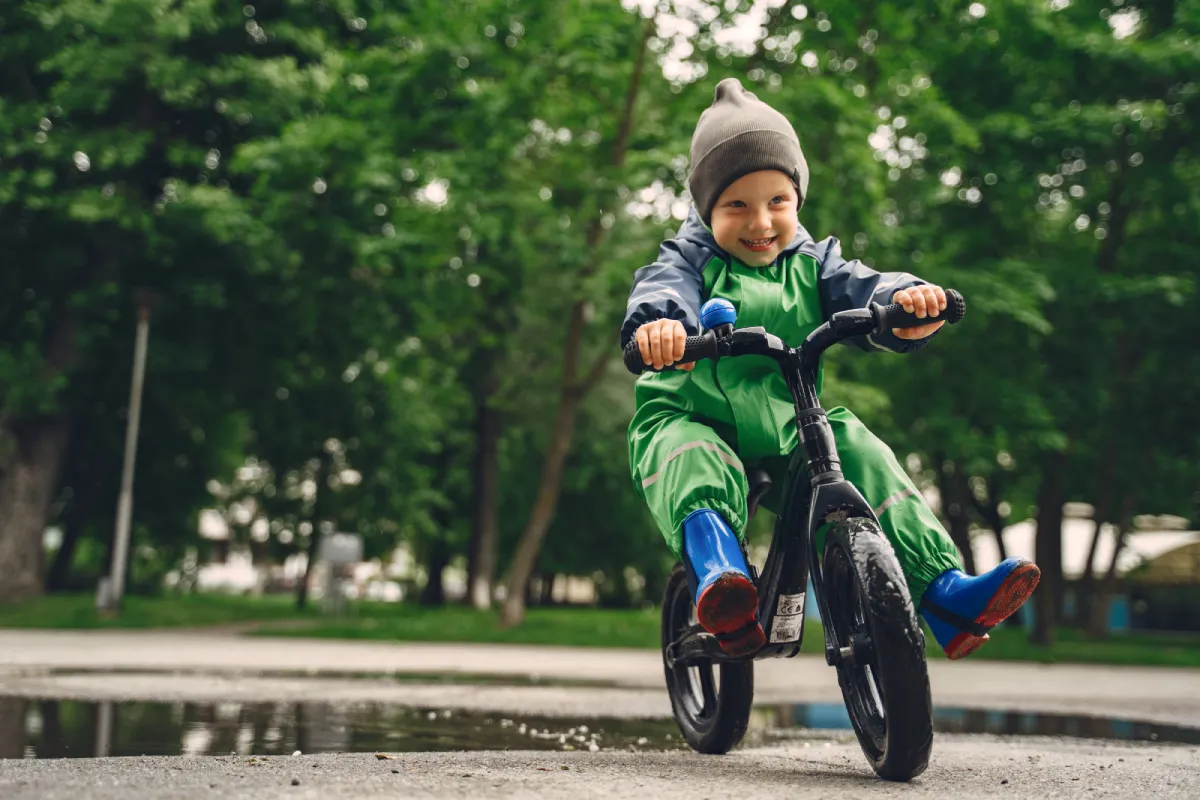
Watch a toddler on a scooter for thirty seconds and you will understand immediately why parents keep coming back to them.
There is the wobbly first push. The moment of panic. Then the grin that takes over their whole face when they realise they are actually moving.
It looks like fun. And it is. But it is also a lot more than that.
Because what is happening in those first few rides is not just playtime. It is a child figuring out their body, building confidence, and discovering that effort leads somewhere good. That is a lesson worth starting early.
Movement Matters More Than Most Parents Realise
Kids need to move. Not organised sport with schedules and cones and coaching drills. Just free, unstructured, go-at-your-own-pace movement.
When a child rides a scooter, they are doing something that looks simple on the surface. Steering around a corner. Braking before the end of the path. Shifting their weight without thinking about it. Their brain is working hard the entire time, and the payoff shows up in ways that go well beyond physical fitness.
Children who get regular active outdoor play tend to concentrate better, handle frustration more calmly, and bounce back faster when things do not go their way. That last one in particular is hard to teach any other way.
When a scooter tips and they have to dust themselves off and try again, something quietly important is happening. They are learning that failure is not the end of the story. It is just part of figuring things out.
There is also the social side. A scooter at the park is a conversation starter. Other kids gather, races happen, games get invented on the spot. That kind of loose, unplanned interaction is exactly what early childhood development needs more of. No adult has to organise it. It just happens.
The Screen Time Problem Nobody Wants to Talk About
Most parents already know their kids spend too much time in front of screens. Knowing it and actually changing it are two very different things.
The honest truth is that telling a child to put down a tablet rarely works on its own. What works is giving them something genuinely compelling to replace it with. A scooter sitting by the front door is a very good answer to that problem.
When riding becomes part of the daily routine, children start to look forward to it. They ask to go out. They get restless if a day goes by without it. That shift, from screen default to outdoor default, is worth more than any app designed to limit screen time.
When Should a Child Start?
Probably earlier than you think.
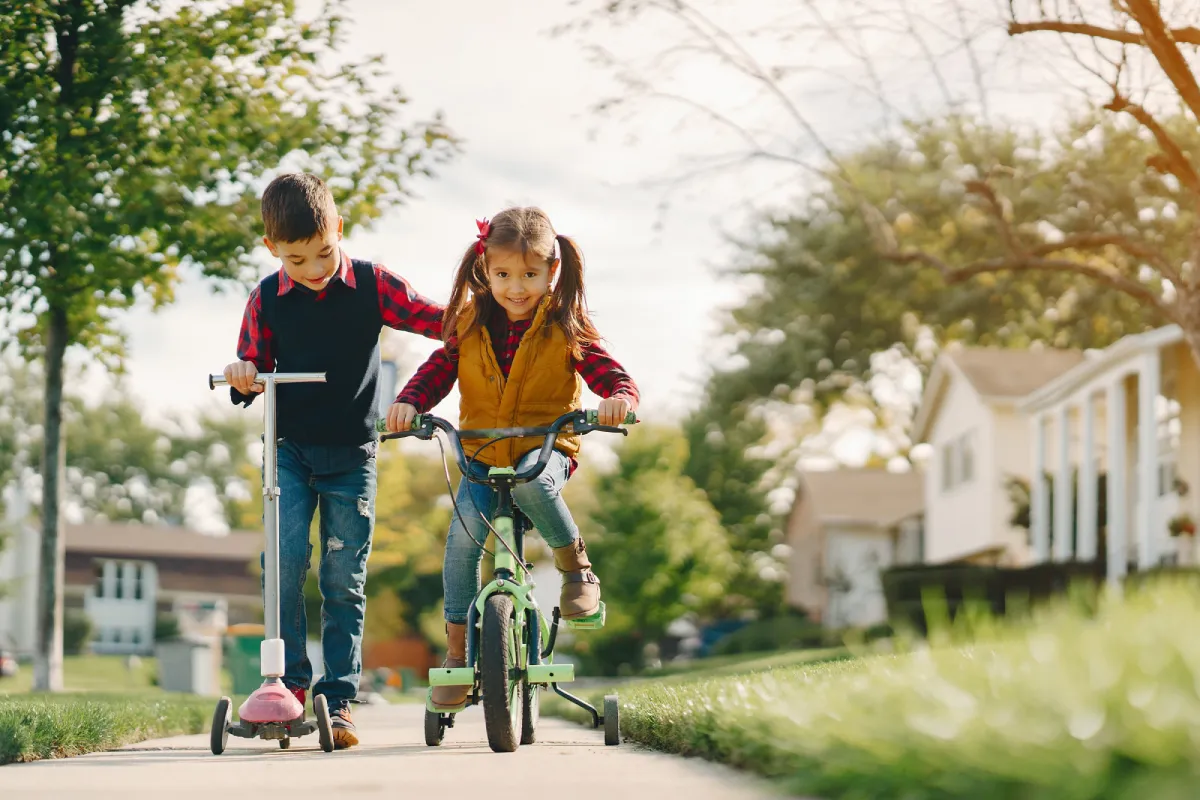
Most toddlers are ready for a three-wheeled scooter somewhere between 18 months and two years. The three-wheel design is key at this age. It is wide at the base, sits low to the ground, and handles the wobbly steering that comes naturally to little ones without tipping over every five seconds.
The move to a two-wheeled scooter tends to happen between three and five years, once a child has enough core strength and balance to manage a narrower platform. Some kids get there earlier, some later. Both are completely fine.
What actually matters is whether the child is enjoying it. A toddler who loves their scooter will ride it all the time and build every skill naturally without anyone having to push them. A child who feels pressured before they are ready will dig their heels in, and then nobody is having a good time.
When you are ready to start looking, take some time to browse toddler scooters online to get a feel for what is out there across different age ranges. The variety today is genuinely impressive, and knowing what features exist before you buy makes the whole process a lot easier.
What to Actually Look For When Buying
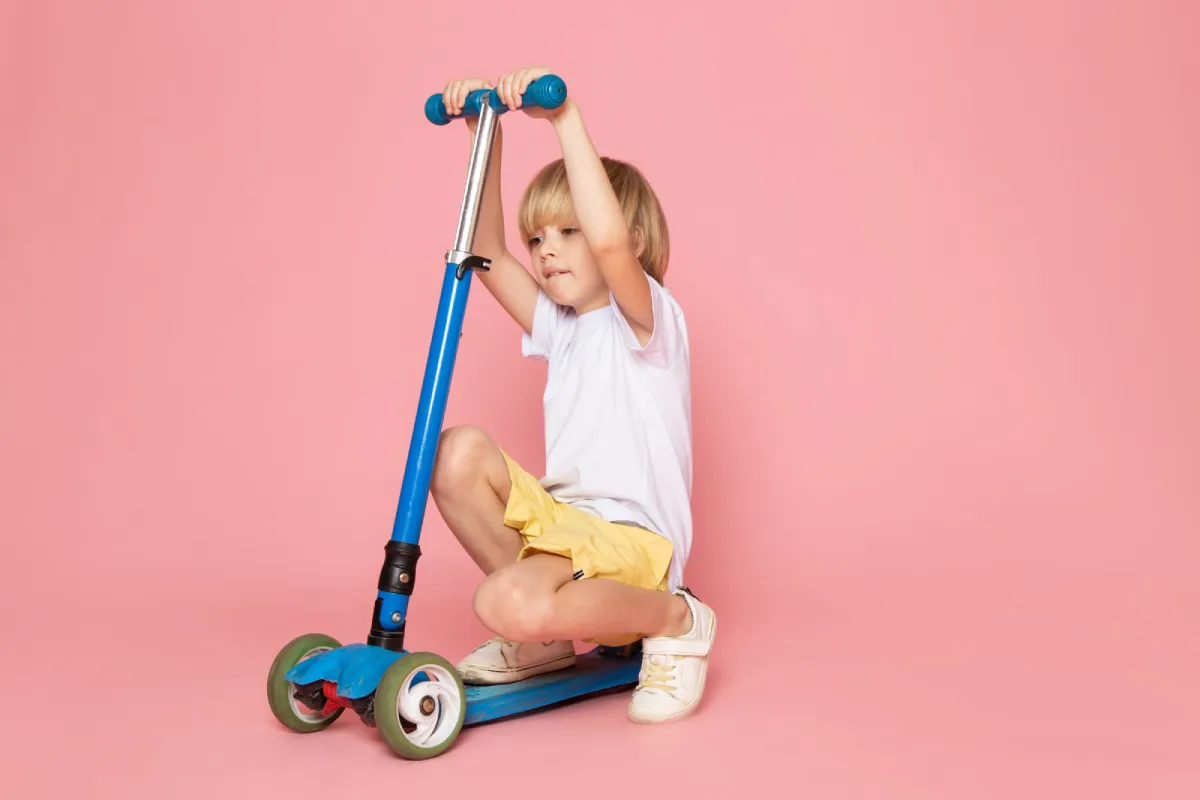
The marketing around kids scooters puts a lot of emphasis on looks. And yes, a child will absolutely ride a scooter more if they think it is cool. But there are a few practical things that deserve just as much attention.
Weight. If the scooter is too heavy, a small child will get frustrated quickly. They need to be able to steer it, pick it up when it falls, and carry it when they get tired of riding. Lightweight aluminium frames tend to work best for younger riders.
Handlebar height. Kids grow fast. A fixed handlebar that fits perfectly now might be awkwardly small within a year. Look for adjustable models that can grow with the child.
Deck size and grip. The standing platform should be wide enough to feel stable, with a textured surface that keeps feet from slipping mid-ride.
Brake type. For toddlers, a rear foot brake is usually the safest option. It is intuitive and easy to use. Hand brakes suit older children who have the finger strength to manage them properly.
Wheel size. Larger wheels handle uneven surfaces better. If your child will be riding on anything other than perfectly smooth pavement, bigger or softer wheels will make a real difference to how enjoyable the whole experience feels.
One thing worth doing before you finalise any decision: involve the child. Even a two year old has strong opinions about colour and shape. Giving them a small say in the choice makes them far more likely to actually want to use it. And honestly, that buy-in matters more than any feature on the spec sheet.
Do Not Overthink the Budget
There is a wide range of price points out there, and it is tempting to go straight for the cheapest option or, at the other extreme, spend a fortune on something a toddler will outgrow in eighteen months.
The sweet spot for most families sits somewhere in the middle. You want something sturdy enough to last through a reasonable amount of use, light enough for a small child to manage, and adjustable enough to grow with them for a couple of years. Spending a little more on those qualities is usually worth it. Spending on brand names and extras the child will never notice is usually not.
Safety Without Making It a Big Deal
The helmet is non-negotiable. Full stop. It protects the part of a child that matters most, and when it is introduced right from the start, most kids come to see it as simply part of getting on the scooter rather than some annoying rule imposed on them.
Make it normal from day one and it stays normal. Fight over it and it becomes a daily battle.
Knee pads and wrist guards are a smart addition for beginners. Falls at this age are usually minor, but grazed palms sting, and a child who associates their scooter with pain will not want to go near it again. A bit of padding removes that early sting and keeps confidence intact.
Basic path awareness comes next. Even very young children can take in simple rules. Stay on the footpath. Stop before roads. Make space for people walking. These do not need to be heavy conversations. A short reminder before heading out, repeated consistently, is usually enough.
For the first few sessions, choose a flat, quiet space with plenty of room. As confidence builds, gentle slopes and mild challenges start to feel exciting rather than scary. That progression matters. Too much too soon puts kids off. The right amount of challenge keeps them coming back.
The Habit You Are Actually Building
Here is the bigger picture that is easy to miss when you are just trying to get a kid off the couch.
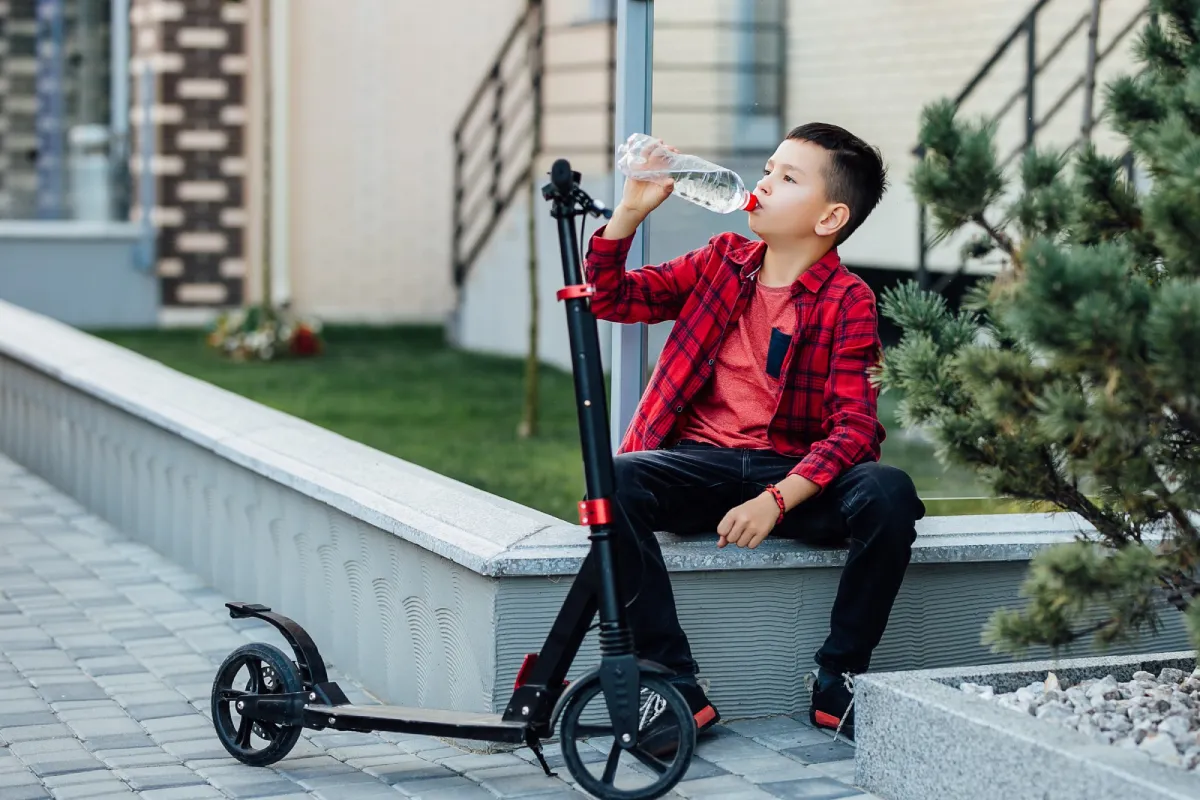
The habits formed in the toddler and preschool years tend to stick. Children who grow up connecting movement with fun and freedom are more likely to stay active as they get older. The scooter today becomes the bike next year, and eventually just the lifelong tendency to choose to move rather than sit.
There is also something to be said for what outdoor time does for the whole family. Twenty minutes outside while a child scoots around the block is twenty minutes without screens, without schedules, and without the usual household noise. Just a kid discovering the world at their own pace while a parent watches from close enough to matter.
Those moments add up more than you would expect.
For parents who want to go deeper on building outdoor habits from the early years, there is genuinely useful guidance available on parenting and outdoor lifestyle resources covering everything from gear choices to making active play a consistent part of family life.
A good scooter is one of the better things you can spend money on as a parent. It gets daily use, builds real skills, and produces the kind of joy that is hard to put a dollar figure on.
Still on the Fence?
A few of the most common hesitations, and why they are usually smaller than they seem.
“They are too young.” Children as young as 18 months can handle a scooter designed for their stage. It is about the right type of scooter, not waiting until they are older.
“It is not safe.” With the right gear and basic supervision, scooter riding is low risk. It also builds the coordination and body awareness that actually helps children avoid injuries in other areas of life.
“They will lose interest.” Some do. Many do not, especially when the scooter fits well and outdoor time becomes part of the family routine. A child who sees their parents genuinely enjoying being outside will want to be out there too.
“We do not have the right space.” Almost any quiet footpath or park works. You do not need a dedicated facility or a large area to make this worthwhile.
The point is simple. Children do better when they move, and building that love of movement early pays dividends for a long time. A scooter is one of the most affordable and genuinely enjoyable ways to start.
Get outside. Let them ride. Watch what happens.


Leave a Reply