
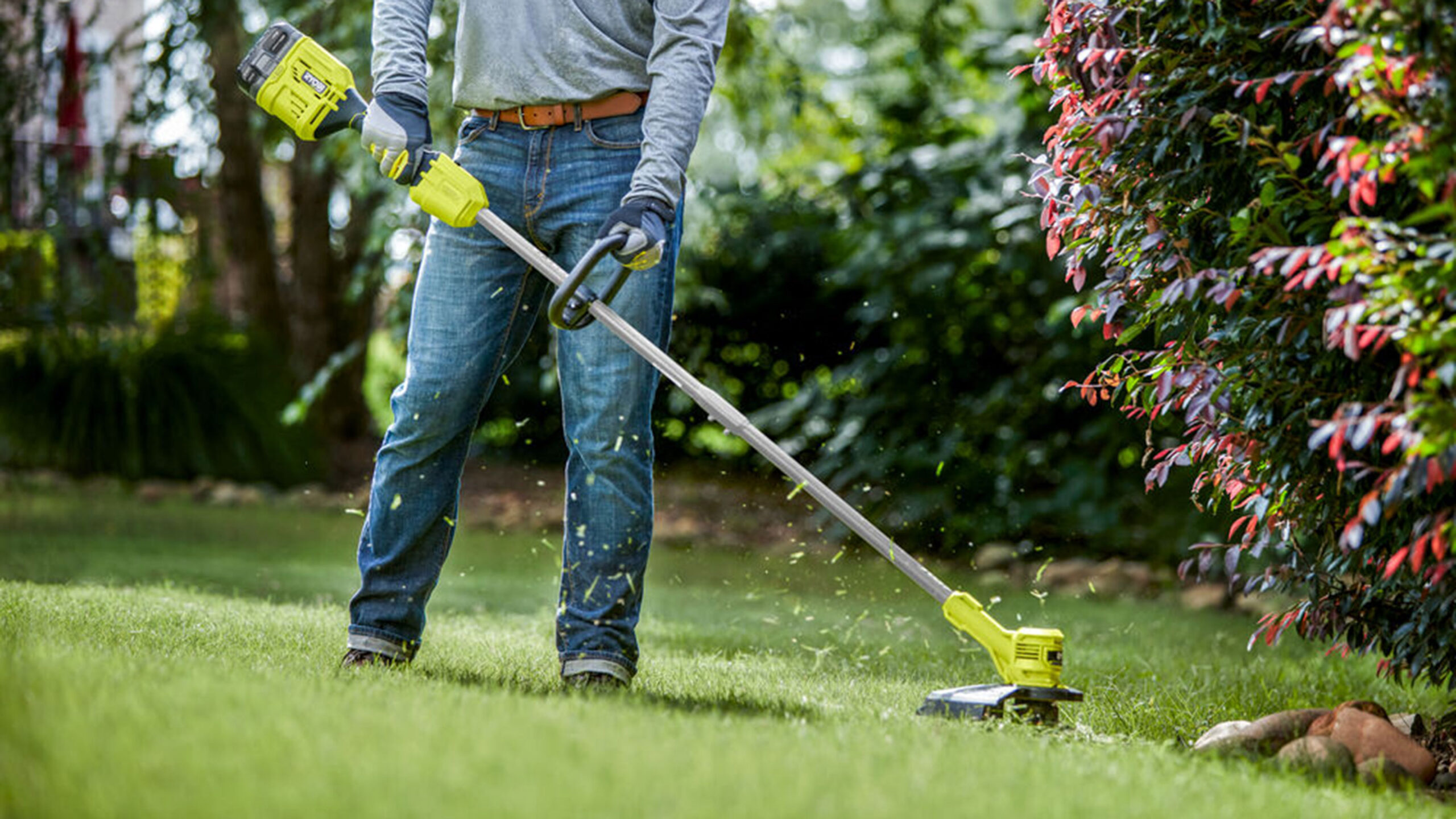
How to Achieve Clean Lawn Edges with an Electric Weed Eater
A well-maintained lawn is often judged not just by how green or healthy it looks, but by the sharpness of its edges. Crisp borders along sidewalks, driveways, flower beds, and fences give a yard that finished, intentional appearance. Without clean edging, even a freshly cut lawn can look unfinished or rushed. This is where an electric weed eater becomes one of the most important tools in residential lawn care because it handles the fine-detail work a mower cannot reach. A properly used electric weed eater can turn uneven borders into clean, defined lines in just a few minutes. For homeowners looking for reliable trimming tools, modern options like an electric weed eater provide a simple and controlled way to achieve sharp lawn edges without dealing with fuel, noise, or heavy maintenance. What makes it valuable is not just trimming ability, but precision in areas where visual detail matters most.
Understanding What Clean Lawn Edges Really Mean
Clean lawn edges are not just about cutting grass shorter. They are about creating a clear separation between different outdoor surfaces such as grass, soil, pavement, and garden beds. Well-defined edges prevent grass from creeping into unwanted areas, improve overall yard appearance instantly, make mowing patterns look more structured, and reduce long-term trimming effort. In landscaping terms, edging is often considered the finishing touch that transforms a basic lawn into a well-kept outdoor space.
Why Electric Weed Eaters Are Ideal for Precision Work
Electric weed eaters are designed for control and detail rather than brute force. Their lightweight structure allows users to guide the cutting head precisely along borders without damaging nearby surfaces. They offer instant start without pull cords, reduced vibration for steadier handling, quiet operation suitable for residential neighborhoods, and easier maneuverability around tight spaces. This combination makes them especially useful for homeowners who want consistent results without dealing with the complexity of heavier equipment.
Electric Weed Eater vs Gas Trimmer: What Actually Matters
Electric weed eaters and gas trimmers both serve lawn maintenance needs, but they perform differently in real-world use. Electric models are better suited for precision edging, light trimming, and regular upkeep. They are lighter, quieter, and easier to control, which makes them ideal for detailed residential work. Gas trimmers deliver higher power and longer runtime, making them more suitable for large properties or heavy overgrowth. However, they are heavier, louder, and require more maintenance. For most homeowners focused on clean lawn edges rather than heavy clearing, electric tools offer a more practical balance of control and convenience.
Step-by-Step: How to Achieve Clean Lawn Edges
Creating clean edges is more about technique than force. Start by clearly identifying the edge line along sidewalks, driveways, or garden beds so you have a visual guide. Hold the electric weed eater at a slight angle so the string meets the edge instead of cutting straight down, which creates a cleaner separation between grass and surface. Move slowly and steadily along the boundary rather than rushing, as controlled movement produces straighter lines. After trimming, lightly clear away debris so the edge becomes fully visible and defined.
Choosing the Right Electric Weed Eater for Your Yard
Selecting the right tool depends on yard size and usage frequency. Small yards typically require lightweight models suitable for occasional trimming and edging. Medium lawns benefit from mid-range models with stronger motors and longer battery life for consistent performance. Larger residential properties may need higher-capacity electric trimmers to handle longer sessions without interruption. Matching the tool to real yard needs prevents overbuying unnecessary power while ensuring efficient performance.
Best Techniques for Cleaner Lawn Edges
Good edging depends on consistent technique. A useful method is making a light guide pass first to mark the boundary before performing the final cut. This helps maintain alignment and prevents uneven edges. Edging after mowing rather than before is also more effective because freshly cut grass makes the boundary easier to see. Maintaining steady walking speed and balanced posture improves accuracy and reduces mistakes during trimming.
Common Mistakes That Ruin Lawn Edges
One common mistake is cutting too aggressively in a single pass, which often leads to uneven lines and damage to nearby surfaces. Using a dull or worn trimmer line is another issue, as it tears grass instead of cutting it cleanly. Many users also move too quickly, thinking speed improves efficiency, but this usually reduces precision. Ignoring maintenance of the cutting head can also impact long-term performance and edge quality.
Maintenance Tips for Long-Term Performance
Keeping an electric weed eater in good condition requires simple but consistent care. The trimmer line should be checked and replaced when worn down to maintain cutting efficiency. Cleaning debris from the guard and cutting head after each use prevents buildup that affects performance. Battery care is also important, including proper storage in cool, dry conditions and avoiding full discharge for extended periods. These habits help maintain tool reliability over time.
Why Clean Edges Improve Overall Lawn Value
Clean edges do more than improve appearance—they define structure within the landscape. They prevent grass from spreading into unwanted areas, reduce long-term maintenance effort, and create a polished, professional look even for simple lawns. Sharp edges enhance curb appeal and make the entire yard appear more organized and well maintained.
Conclusion: Precision Makes the Difference
The electric weed eater has become an essential tool for homeowners who value precision and control in lawn care. While mowing handles general maintenance, edging provides the finishing detail that defines a well-kept yard. With the right technique and consistent use, achieving clean lawn edges becomes a simple and repeatable task. For modern residential landscaping, electric trimmers offer the right balance of convenience, control, and efficiency.
FAQ
- Can an electric weed eater create sharp lawn edges?
Yes, when used at the correct angle and steady pace, it produces clean and defined edges along walkways and garden borders. - Is it strong enough for thick grass?
Most electric weed eaters handle normal residential grass easily, though very thick growth may require multiple passes. - How often should lawn edges be trimmed?
Once every one to two weeks is usually enough to maintain clean and sharp edges. - Does it require a lot of maintenance?
No, maintenance is minimal and mainly includes replacing trimmer line, cleaning the head, and proper battery care.
5. Should edging be done before or after mowing?
Edging after mowing is generally better because it makes the boundary more visible and improves accuracy.


Leave a Reply