
The Future of Paying International Contractors in a Digital Economy
The global workforce is changing faster than ever. Businesses no longer rely solely on local talent, as companies now hire freelancers, consultants, developers, designers, and remote teams from every corner of the world. This shift has transformed how organizations approach payroll, invoicing, and cross-border transactions. As remote work continues to grow, the future of paying international contractors depends heavily on secure, fast, and flexible digital payment solutions.
Traditional banking systems once dominated international transactions, but they often created delays, high fees, and currency conversion issues. Today, modern businesses need payment systems that can support a fast-moving digital economy while maintaining trust, transparency, and efficiency. From e-wallets to cryptocurrency integrations, digital finance tools are redefining how companies handle global payouts.
Why Traditional International Payments Are Losing Relevance
For many years, international wire transfers were considered the standard method for sending money abroad. While banks still play an important role, the process can be expensive and time-consuming. Contractors often face long waiting periods, hidden conversion charges, and transfer limitations that affect their earnings.
Businesses also encounter operational challenges when managing payments across multiple countries. Exchange rate volatility, compliance concerns, and regional banking restrictions make global transactions more complicated than they need to be.
As a result, companies are increasingly exploring alternative payment ecosystems that combine speed, security, and convenience. Digital payment platforms are helping businesses simplify financial operations while giving contractors faster access to their funds.
The Rise of Digital Wallets and E-Wallet Solutions
E-wallet technology has become one of the biggest innovations in modern finance. Digital wallets allow users to store funds, send payments, and manage multiple currencies without relying entirely on traditional banking infrastructure.
For international contractors, e-wallets offer significant advantages:
- Faster transaction processing
- Lower transfer fees
- Easier currency conversions
- Better accessibility in regions with limited banking services
- Improved financial flexibility for freelancers and remote workers
Companies benefit as well because e-wallets simplify mass payouts and reduce administrative workload. Instead of handling separate banking procedures for every country, organizations can centralize contractor payments within a single digital platform.
This convenience is especially important for startups and growing businesses that work with distributed teams across multiple time zones.
How Cryptocurrency Is Influencing Global Contractor Payments
Cryptocurrency is also becoming part of the global payment conversation. While digital assets were once viewed mainly as speculative investments, they are now being used for practical financial operations, including contractor compensation.
Modern businesses are exploring hybrid systems that support both traditional currencies and digital assets through integrated crypto and fiat payment solutions. These systems allow users to move between cryptocurrencies and government-backed currencies more efficiently, creating more flexibility for international transactions.
Crypto-based payments can reduce transfer delays, especially for contractors working in regions with limited banking support. Blockchain technology also improves transparency by creating traceable transaction records.
However, businesses still need reliable platforms that help manage compliance, security, and conversion processes safely. Trust remains one of the most important factors when adopting new payment technologies.
Virtual and Plastic Cards Are Expanding Financial Flexibility
Another major trend shaping the future of global payments is the growing use of virtual and physical payment cards. Contractors and freelancers increasingly prefer flexible spending tools that provide quick access to earnings.
Virtual cards offer several benefits:
- Instant card generation
- Better spending control
- Secure online transactions
- Reduced fraud risks
- Easier subscription and software payments
Plastic cards remain valuable for ATM withdrawals, retail purchases, and daily financial activities. Together, virtual and physical cards create a more practical payment experience for remote workers worldwide.
Businesses can also use these tools to manage operational expenses, employee reimbursements, and contractor compensation in a streamlined way.
Faster B2B and B2C Transfers Are Becoming Essential
Speed is becoming one of the most important expectations in digital finance. Contractors no longer want to wait several business days to receive payments after completing work. Likewise, businesses need systems that can process international payouts quickly without complicated procedures.
Fast B2B (business-to-business) and B2C (business-to-consumer) transfer technologies are helping companies improve operational efficiency while building stronger relationships with global talent.
Real-time or near-instant payments help contractors maintain financial stability, especially those who depend on freelance income as their primary source of earnings. Faster access to funds also improves trust between businesses and remote professionals.
This growing demand for efficiency is pushing payment providers to create more advanced infrastructure capable of supporting international transactions at scale.
Security and Trust Will Define the Future of Digital Payments
As digital payment systems evolve, cybersecurity and financial transparency will remain top priorities. Businesses handling global contractor payments must ensure that sensitive financial information is protected from fraud, hacking, and unauthorized access.
Modern payment platforms now use advanced encryption, identity verification, and multi-layer authentication systems to strengthen transaction security. Compliance with international financial regulations is equally important, especially for companies operating across different jurisdictions.
The future of digital payments will likely depend on platforms that combine convenience with strong security standards. Businesses and contractors both need confidence that their funds and personal information are protected throughout every transaction.
The Growing Demand for All-in-One Financial Platforms
One of the biggest trends in the digital economy is the shift toward integrated financial ecosystems. Instead of using separate services for transfers, cards, crypto exchanges, and payouts, businesses now prefer centralized solutions that combine multiple tools in one place.
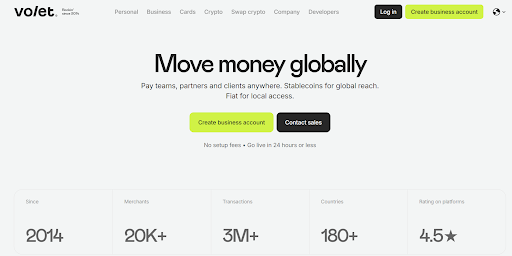
This is where platforms like Volet are gaining attention. As an all-in-one financial platform, Volet supports global payments, crypto swaps, digital wallets, virtual and plastic cards, and fast transfer solutions designed for modern international business operations.
Having multiple financial services within a single ecosystem simplifies workflows and reduces the complexity of managing cross-border contractor payments. Businesses can improve efficiency while contractors enjoy easier access to their earnings and payment options.
The Future of Paying International Contractors
The future of paying international contractors will continue moving toward flexibility, speed, and digital accessibility. Remote work is no longer a temporary trend, it has become a permanent part of the global economy. As businesses expand internationally, payment systems must evolve to support this new reality.
Digital wallets, cryptocurrency integrations, virtual cards, and fast international transfers are already reshaping how businesses handle contractor compensation. Companies that adopt modern financial tools will be better positioned to attract global talent, improve operational efficiency, and maintain stronger working relationships with remote professionals.


Leave a Reply