
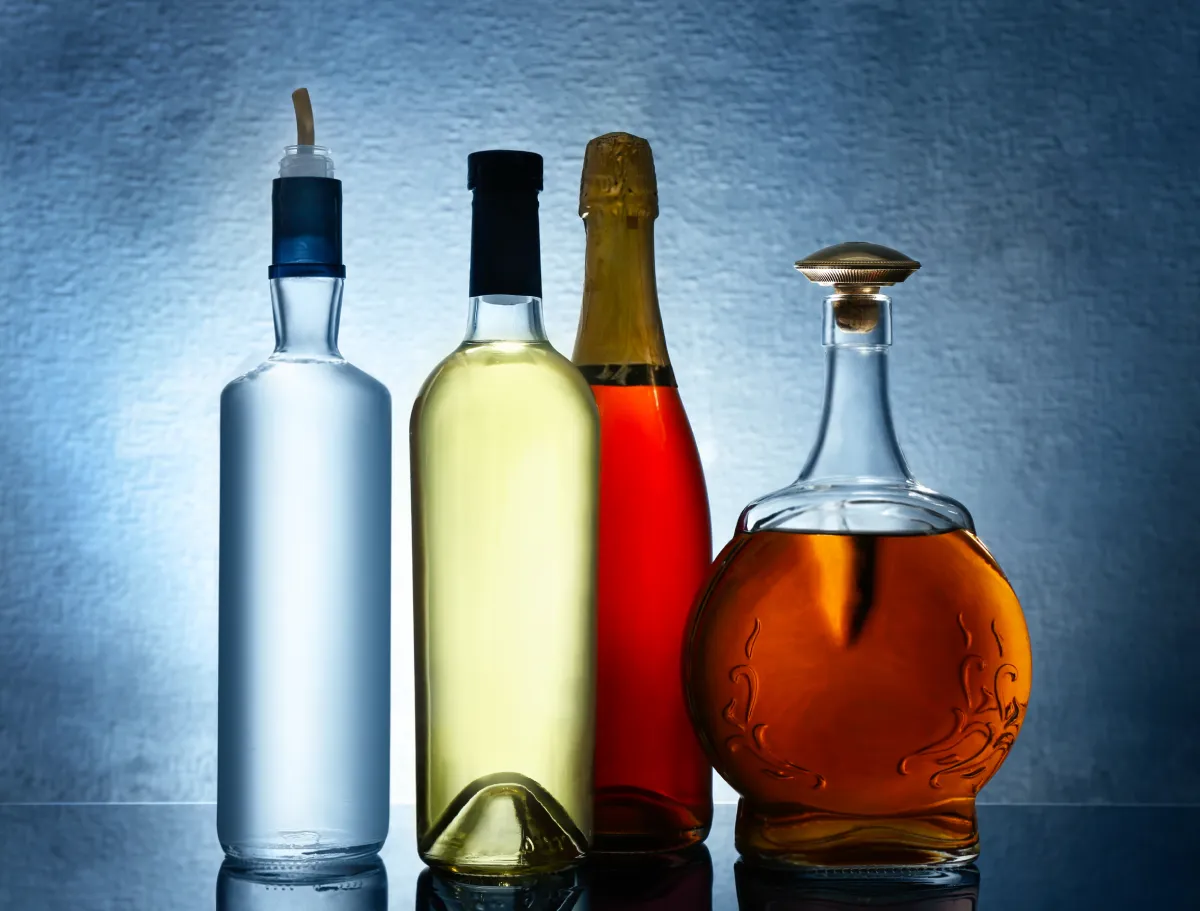
A Well-Designed Glass Bottle Doesn’t Just Hold Your Product — for Spirits and Premium Oils, It Often Does More Selling Than Any Label or Campaign Ever Could
In the premium spirits and artisan oil categories, the bottle is a selling tool that operates before any marketing message arrives. A consumer at a retail shelf, a wine shop, or a specialty food store makes an initial assessment of a product in a fraction of a second, based almost entirely on the visual and tactile qualities of the glass container. The label can reinforce or explain what the bottle communicates, but it can rarely override it.
This reality drives the consistent investment that established spirits and premium oil brands make in custom glass design. A proprietary bottle shape is a brand asset that cannot be replicated by a competitor who shares the same stock glass catalog. It communicates exclusivity, investment, and the kind of deliberate attention to detail that consumers associate with producers who take their product seriously. For brands looking to establish or reinforce a premium market position, custom glass design is frequently one of the highest-return packaging investments available.
This guide covers the practical dimensions of custom glass bottle development for spirits and premium oils: the design process, manufacturing considerations, production planning, and how to work with the right supply partner for the category.
What Custom Glass Design Actually Involves
Custom glass development begins with a concept and ends with a mold and a production run — a process that moves through industrial design, technical engineering, mold fabrication, trial production, and qualification before full commercial production begins. Each stage has its own timeline, cost, and decision points.
The industrial design phase translates brand intent into physical form. A brand that wants to communicate heritage and craft may explore heavier glass, complex shoulder profiles, and traditional proportions. One communicating modernity and innovation may explore geometric precision, clean lines, and unconventional proportions. The design brief should define not just aesthetic direction but functional requirements: capacity, closures to be used, labeling method, how the bottle will be merchandised, and any handling constraints in production and logistics.
Technical engineering translates the design into a producible form. Glass has specific constraints around wall thickness, draft angles, undercuts, and the relationship between bottle geometry and mold release that limit what can be produced at commercial volumes. A skilled glass engineer will work within these constraints to preserve the intent of the design while ensuring the bottle can be manufactured consistently.
The Spirit Bottle as a Brand Architecture Element
The most successful spirit bottle designs in recent decades share a characteristic: they function as brand architecture rather than just packaging. The bottle of Hendrick’s Gin, the distinctive silhouette of Grey Goose, the ceramic forms used by some premium tequila producers — these are not just containers. They are physical manifestations of the brand, recognizable in any context, communicating a specific set of values through their physical form.
For smaller distilleries and craft spirit producers looking to compete in a market dominated by established brands, custom bottle design is one of the few investment areas where they can create visual equity that doesn’t require marketing spend to maintain. A bottle that is consistently distinctive — that stands out on shelf, that photographs memorably, that is worth keeping after the contents are consumed — does ongoing brand work that a generic bottle cannot replicate.
Suppliers who specialize in custom glass liquor bottles for spirits brands understand the specific category conventions — the weight expectations, the neck and closure systems used for spirits-specific closures, the labeling methods used in the category, and the regulatory requirements around bottle capacities — that producers need their glass partner to bring to the design conversation. That category knowledge is part of what distinguishes a specialist from a generalist glass supplier.
Premium Oil Bottles: Function Meets Form
Premium olive oil and specialty oil bottles face a design challenge that spirits bottles largely don’t: they need to be functional in a cooking context as well as visually compelling on a retail shelf. The bottle will be handled repeatedly, often with oily hands, over a period of weeks. The pouring experience — flow rate, drip behavior, the ease of controlling the pour — is part of the daily user experience that affects how the consumer thinks about the product.
These functional requirements shape the design parameters. Neck diameter and profile affect both the pouring characteristics and the closure options. A neck designed for a cork or a T-bar stopper has different geometry than one designed for a screw cap with an integrated spout. The relationship between bottle geometry and closure function needs to be part of the design brief from the beginning, not resolved as an afterthought.
Dark glass — typically antique green, deep amber, or dark glass with UV-absorbing pigments — is the standard for quality olive oil, because UV and visible light exposure accelerates the oxidation that degrades flavor and nutritional quality. A design that is visually striking in dark glass requires a different approach than one relying on clarity and color visibility: texture, form, embossing, and the interplay of light on the glass surface become the primary visual tools.
Glass Manufacturing Processes and Their Design Implications
Commercial glass bottle production uses two primary forming processes: blow-and-blow and press-and-blow. The appropriate process for a given bottle design depends on the container profile and capacity. Understanding the basics of these processes helps brand teams have more productive conversations with their glass supplier about what is and isn’t achievable within their design vision.
Suppliers who offer custom glass packaging design support will typically provide technical guidance on the design constraints imposed by their specific manufacturing capabilities — and those constraints vary between manufacturers. A design that is producible at one facility may require modification at another, which is why early engagement with the intended manufacturing partner matters. Providing a design brief to a glass supplier who then tells you six months later that the design requires modification is a costly and time-consuming surprise.
Specialty finishes — frosted surfaces, applied ceramic labeling, silk-screen printing, metallic coatings — are applied after forming and require separate process steps with their own cost and minimum quantity implications. Some finishes require specific surface preparation; others are limited by the geometry of the bottle. The finish specification should be part of the technical review early in the design process, not introduced as a late-stage creative addition.
Minimum Order Quantities and Production Planning
Custom glass comes with minimum order quantity (MOQ) requirements that reflect the economics of mold usage and production run setup. For fully custom molds, MOQs are typically higher than for semi-custom or stock glass because the tooling cost needs to be amortized across the production run. Understanding the MOQ structure, and how it relates to your anticipated annual volume and launch quantity, is essential to the financial planning of a custom glass program.
The mold tooling cost is a one-time capital investment that belongs to the brand once it’s paid for. Over the life of the mold — typically several million bottle cycles before significant wear — that tooling cost amortizes to a negligible per-unit contribution. The upfront investment is real but the long-term cost per unit makes custom glass economically competitive with stock glass at meaningful volumes.
Inventory management is a practical dimension of custom glass that often gets insufficient attention in the planning process. Glass is bulky, fragile, and expensive to store. Ordering too much creates warehousing cost and exposure to design changes. Ordering too little creates production disruptions when glass supply runs short. Working with a supplier who can provide reliable lead times, consistent quality across production runs, and some flexibility in order quantity management makes the inventory challenge significantly more tractable.
Closure and Label Compatibility
The glass bottle specification and the closure specification need to be developed together. The glass finish — the specific geometry of the bottle mouth — determines which closures are compatible. A cork finish, a Stelvin (screw cap) finish, a cork with a GPI thread, and a bar top closure all require different bottle geometry. Getting this wrong — designing a bottle and then discovering that the preferred closure doesn’t fit the finish — is an expensive mistake to correct after molds are cut.
Label application method is equally consequential for design. Paper labels applied with adhesive require a specific label panel area — a flat or gently curved surface with consistent geometry. Wrap labels, which cover more of the bottle surface, tolerate more curvature. Applied ceramic labels (screen-printed enamel fired into the glass surface) are compatible with almost any geometry but have specific color and resolution limitations. The labeling method should be defined early enough to influence the bottle design, not selected after the bottle design is fixed.
Lead Times and the Production Planning Reality
Custom glass development takes time — more time than most brands plan for when they set launch dates. The full development timeline from initial design brief to first commercial production shipment, for a fully custom bottle with new tooling, is typically six to twelve months. This includes design iteration, technical review, mold fabrication, trial production and qualification, and production scheduling.
Lead times for reorders on established custom designs are shorter, but still measured in weeks to months depending on the supplier’s production schedule and the geographic origin of the glass. Brands that plan glass procurement twelve to eighteen months ahead of packaging changes or new launches have far more flexibility — in design, in negotiation, and in avoiding the production disruptions that last-minute glass procurement creates.
For producers who need bottles for packaging oil or spirits in a format that bridges stock and custom — a distinctive shape that doesn’t require a fully custom mold — suppliers with broad stock ranges and semi-custom capabilities can provide an intermediate path. This approach typically offers faster lead times, lower minimum quantities, and lower tooling investment than fully custom development while still producing a container that is more differentiated than a generic catalog selection. Working through which path is appropriate for the brand’s current stage of development is a conversation worth having with the glass supplier before committing to a development timeline.


Leave a Reply