

Effective Online Presence for Private Schools
You hear the phrase all the time: “Build your online presence”. But what does it truly mean? And how can you do this effectively for a private school?
Easy. Engage with your audience online, whether through your website, blog, or social media.
Through different channels, showcase your small class sizes, specialized programs, and unique extracurricular activities to set your institution apart.
Whether it’s a faith-based mission, a focus on academics, or a commitment to arts and athletics, put your institution’s defining traits on display for all to see. That way, families can identify with your school’s vision.
This post will explore in detail how to get started building an effective online presence for private schools.
Before we get into the strategies, it’s important to define what an online presence actually means for a private school.
What is an online presence?
An online presence is how you or your organization shows up on the internet.
For private schools, it’s how parents, students, and even the community find out about your institution online. This could be anything from your school’s website and social media profiles to reviews, blog posts, or even news articles.
This is how people get a sense of what your school is all about and what it offers. But having an online presence isn’t enough. It needs to be active and engaging.
This includes posting updates on Facebook or Instagram, sharing success stories, replying to questions or comments, and even appearing in Google search results when someone searches for schools in the area.
These channels all contribute to your school’s visibility, helping families discover your institution before they ever schedule a tour.

That visibility matters because parents often begin their school search online.
Benefits of having an online presence for private schools
Here’s why having an online presence for your private school matters:
- Reach more families: Parents are searching online for the best schools for their kids. According to Niche, Google (25%) and review websites (24%) are the top sources families use to discover new schools. A strong online presence helps you show up in these searches. Why? It makes it easier for families to learn about you and find out.
- Showcase what makes you special: According to EdChoice, two-thirds of parents believe a dedicated website is useful for finding information about a school. So, think of your website as a virtual tour of your institution. You can highlight your programs, extracurriculars, and success stories to show why your school is unique. Plus, posting student achievements or fun events makes your school feel more alive and relatable.
- Build trust and credibility: Parents want to feel confident in their decision. And a positive online presence gives them that peace of mind. Positive reviews, testimonials, and a professional-looking website can show your school is trustworthy and top-notch.
- Stay connected: Don’t think your online presence just exists to attract new families. You also need to keep current students, parents, and alums engaged. Regular updates, newsletters, and even sharing photos on social media can build a sense of community and keep everyone in the loop.
- Boost enrollment: When parents can easily find information about your school, see glowing reviews, or get a sense of the culture through your social media, they’re more likely to apply. That’s why school websites (54%) and school search and review sites (40%) are some of the most influential engagement tools when it comes time to make an enrollment decision, according to Niche.
5 Tips for building your private school’s online presence
In this section, we list some practical tips to help you create a strong, engaging, and effective online presence that truly represents your school.
Let’s explore.
- Understand your target audience
Understanding your target audience is the first—and probably the most important—step in building your school’s online presence.
If you don’t know who you’re talking to, how can you create content that actually speaks to them?
Start with parents. They’re usually the ones doing the research and making the decisions. What do they care about most? This might vary, depending on the parent.
Some common concerns are academic excellence, safety, extracurricular opportunities, and even your school’s values. In some cases, families may also be exploring specialized support options, such as a teen residential treatment center, depending on a student’s needs.
Knowing their concerns or interests, you can start addressing these priorities across your website, social media posts, and overall messaging.
Once your messaging speaks to parents’ priorities, consider how students experience your school’s identity as well. For older children, your school’s vibe and community can be a big selling point. So, use engaging visuals and stories that showcase school spirit, fun events, and the opportunities they can look forward to.
And then there’s alumni and the local community. Keep them in the loop with updates, achievements, and ways to stay involved. This can help build a stronger network for your school.
*Pro-Tip: Don’t try to be everything to everyone. Stay authentic to what makes your school special, and focus on the people you want to reach most. Knowing your audience makes it so much easier to craft messages that resonate and make them think, “This is the school for us!”
- Build a user-friendly website
This is going to sound cliché, but your website is often the first impression families get of your school. So, make it count.
That first impression should be visually appealing and help visitors quickly find the information they need.
So, prioritize simple, clear navigation. Consider what parents and students are searching for, including admissions information, tuition details, financial planning resources, event calendars, and contact options. Addressing cost-related concerns directly, including guidance on scholarships, payment plans, and reputable private student loans, can make your website more helpful and transparent for families.
An effective private school website is also mobile-friendly. According to StatCounter, Mobile traffic accounts for 63% of all website traffic.
That means most of your audience will be browsing your site from their phones. Create a responsive mobile design that uses flexible layouts and displays images that look good on smaller screens.
Consider using mobile-specific features, such as click-to-call buttons and mobile-friendly forms. Your website should also reflect the evolving nature of education by highlighting flexible learning pathways. For example, platforms like Portage Learning show how self-paced courses can help students complete prerequisites or strengthen their academic profile.
Don’t forget to add engaging visuals. High-quality photos of your campus, classrooms, and events can help families envision themselves as part of your school community.
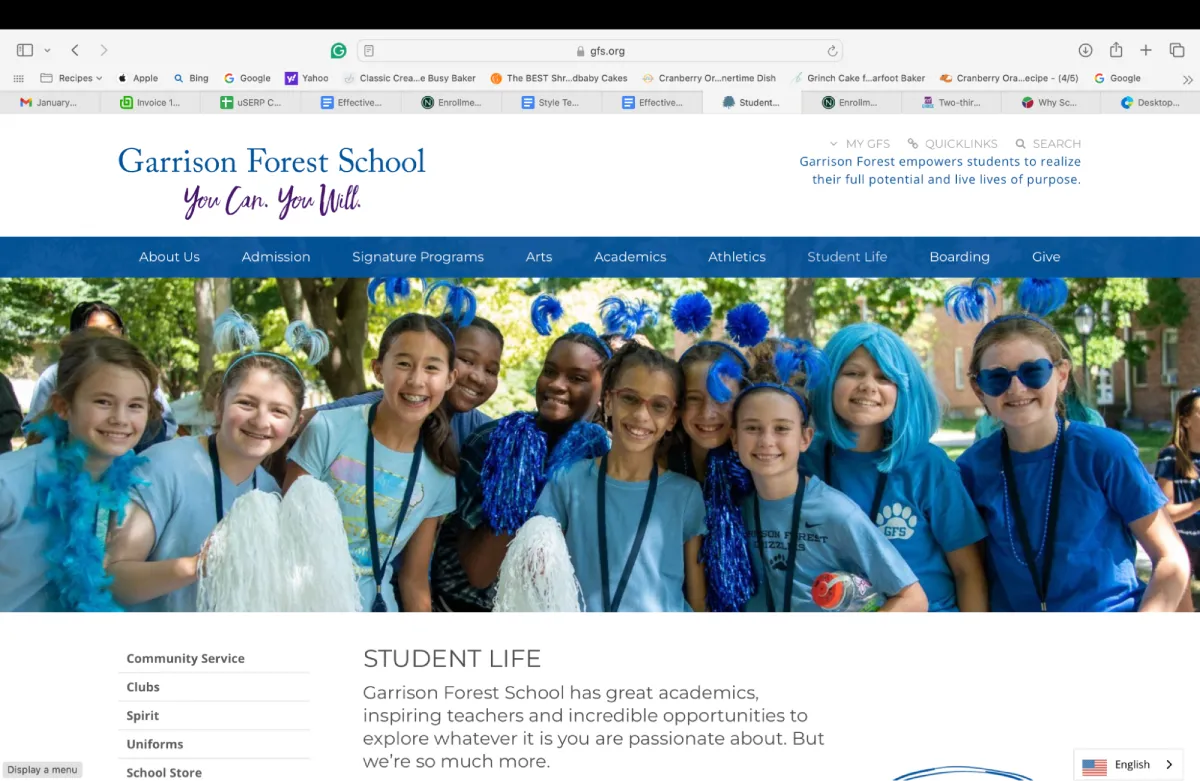
And if you can, throw in some video tours or student testimonials. These are a great way to bring your school’s personality to life.
*Pro-Tip: Keep your website updated. Regularly refresh content like event calendars, news, and announcements to show that your school is active and engaged.
- Utilize social media platforms
Social media lets you connect with families, students, and the wider community. It’s where you can show off your school’s personality, share important updates, and engage directly with your audience.
As you plan your posts, consider following the 70-20-10 rule.
- 70% of your posts should focus on informing your audience. You can share things like student achievements, behind-the-scenes glimpses of school life, tips for parents, or highlights of academic and extracurricular programs.
- 20% of your posts can tap into emotions. Share heartwarming stories, celebrate milestones, or post content that reflects the joy, pride, and connections within your school community.
- 10% of your posts should be promotional. In these posts, encourage families to schedule tours, apply for admission, or attend open house events.
*Pro-Tip: Social media is a two-way street. Don’t just post. Interact. Respond to comments, answer questions, and engage with your followers to build trust and connections.
- Implement search engine optimization strategies
Optimizing your private school’s website for search can increase your visibility and attract more families.
Focus on local SEO. Most families will be looking for schools in their area. So, include location-based keywords like “private school in [your city]” throughout your website. Create a Google Business Profile and keep it updated with accurate information about your school, like the address, phone number, and hours.
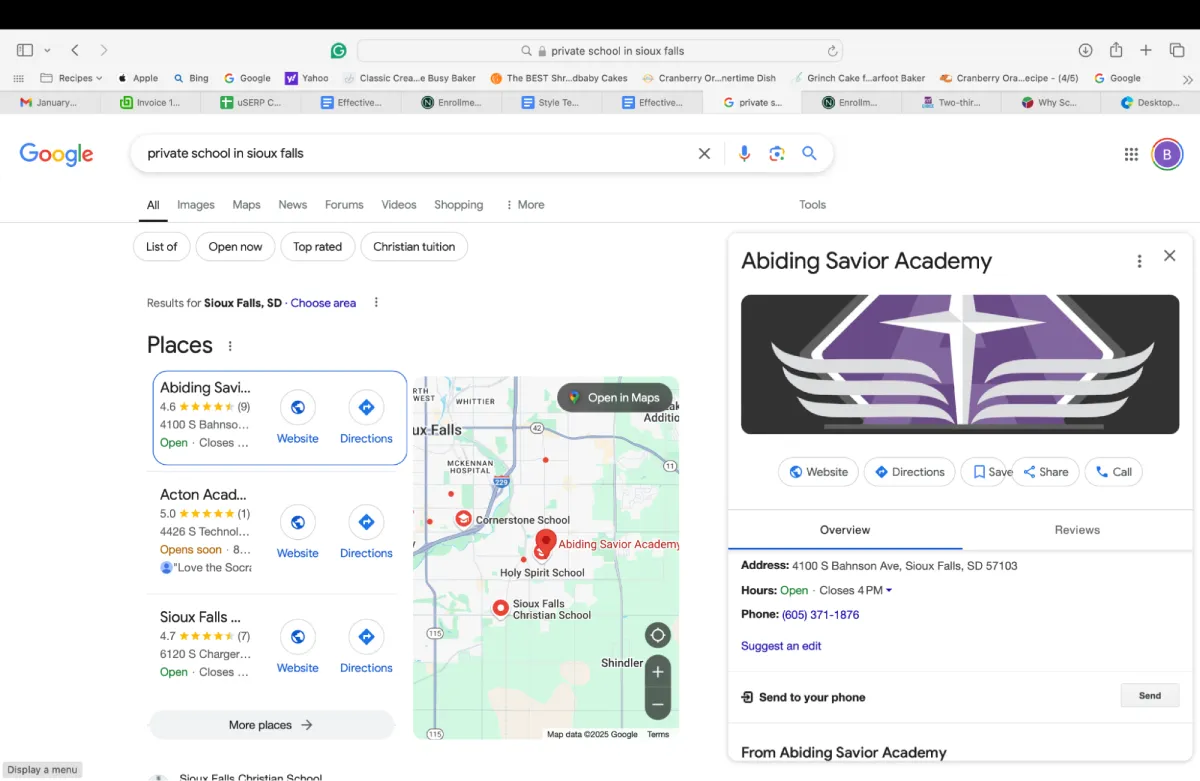
After you’ve covered local searches, expand your strategy to broader search terms parents may use earlier in their research.
Use a keyword research tool to find common search queries your audience is using. Popular terms might include “top private school,” “best academic programs,” or “affordable tuition.”
Sprinkle these naturally into your website’s pages, blog posts, and meta descriptions to help search engines connect you with relevant searches.
*Pro-Tip: Encourage satisfied parents and alumni to leave positive reviews on platforms like Google or Yelp. This does two things: (1) boosts your school’s reputation and (2) improves your search rankings.
- Leverage content marketing
Content marketing is all about marketing your school with informative, high-quality content. Your number-one goal is to help your audience, not to sell to them.
The hope is to gain their trust. And from there, they’ll give your school a chance to help them achieve their goals.
Follow these tips for effective private school content marketing:
- Create a blog: Write about topics that matter to parents, like tips for choosing the right school, preparing students for the first day, or the benefits of small class sizes.
- Use video content: Create short videos featuring student success stories, teacher spotlights, or virtual campus tours.
- Capture leads with free resources: Use newsletters or downloadable guides to offer value.
Wrap up
Many families will go searching the web for a private school that feels like the right fit. Is your online presence where it needs to be to attract this savvy, well-informed audience?
If you follow these strategies, the answer should be a resounding yes. To sum up, you need a good understanding of your audience, a professional website, informative content, strong search engine rankings, and an engaged social media following.
These are the makings of a strong online presence, but maintaining it requires consistent effort across your website, content, search visibility, and social channels.
Need help building your private school’s digital footprint? Don’t hesitate to reach out to the team at Porto Theme for all your digital marketing needs.
About the author: Britney Steele
Born and raised in Atlanta, Britney is a freelance writer with 5+ years of experience. She has written for a variety of industries, including marketing, technology, business, finance, healthcare, wellness, and fitness. If she’s not spending her time chasing after three little humans and two four-legged friends, you can almost always find her glued to a book or awesome TV series.


Leave a Reply