

Start Smart: The Best Cheap Home Devices Worth Buying First This Year
Highlights:
- The global smart home market is projected to hit $175.1 billion in revenue in 2026, with over 82% household penetration globally — meaning budget-friendly options are more plentiful and competitive than ever.
- Smart home adoption in the US and Canada jumped 10 percentage points in a single year (49% in 2024 to 59% in 2025), signaling that mainstream, everyday households — not just tech enthusiasts — are driving current growth.
- Smart plugs are the best entry point for budget buyers, turning any existing device into a smart one for as little as $10, with no need to replace appliances or commit to a full ecosystem.
- A complete, functional smart home starter kit — covering lighting, energy savings, voice control, and basic security — can be built for under $200.
- The smartest approach to building a smart home is room by room, phasing purchases over time to spread cost, reduce overwhelm, and learn the ecosystem gradually before scaling up.
If you’ve been eyeing those smart plugs at the checkout counter or wondering whether a $30 bulb can actually make your life easier, you’re not alone. The rush toward connected living has gone from a techie hobby to something your neighbor, your parents, and probably your college roommate are all doing. And in 2026, the numbers back that up in a big way.
But here’s the thing — most guides to smart home tech either focus on luxury setups that cost thousands, or they give you a dumbed-down list with zero context. What you actually need is a realistic, budget-first starting point backed by real data. So let’s break it down.
The Smart Home Boom Is Real (And It Affects What You Buy)
Before we get into specific devices, it helps to understand why this is the right time to jump in — because the market dynamics actually affect pricing and availability for budget shoppers.
According to Statista’s 2026 Smart Home Market Forecast, the global smart home market is on track to generate around $175 billion in revenue in 2026 alone, with household penetration sitting at roughly 82%. Let that sink in — more than 8 in 10 households globally are expected to have at least one smart home device this year. That’s not a niche hobby anymore. That’s infrastructure.
What does this mean for you as a budget shopper? Simply put: more competition among manufacturers = lower prices for consumers. When the market is this large and growing this fast, budget-friendly options multiply. Brands that used to charge premium prices are now competing hard for the value-conscious buyer, which is exactly where you want to be.
Adoption Is Accelerating Faster Than Most People Realize

Here’s another stat that caught our attention. According to reporting from MakerStations, citing the ASHB Annual Survey, smart home adoption among US and Canadian households jumped from 49% in 2024 to 59% in 2025 — a ten-percentage-point leap in a single year.
That’s a massive shift. It tells us two things: first, the early-adopter phase is long over. Second, the people driving this growth aren’t tech enthusiasts with unlimited budgets — they’re regular households looking for practical value. The devices winning in this environment are the ones that are affordable, easy to set up, and solve a real problem quickly.
This is great news for anyone building a starter kit on a budget, because the products hitting mainstream adoption right now tend to be the ones that nail all three of those criteria.
So Where Should You Actually Start?
With 82% global household penetration and adoption rates climbing by double digits year over year, the smart home space is past the point of “should I bother?” The question is now where do you begin — especially without blowing your budget on the wrong things first.
A good rule of thumb: start with devices that do one job, do it well, and play nicely with whatever ecosystem you already use (Amazon Alexa, Google Home, or Apple HomeKit). Here are the categories that consistently deliver the best bang for your buck as a first-timer.
1. Smart Plugs: The Unsung Hero of Budget Smart Homes
If there’s one device that deserves the title of “gateway drug to smart home life,” it’s the humble smart plug. For somewhere between $10 and $25 per plug (and often cheaper in multi-packs), you can turn any dumb device into a smart one.
Lamps, fans, coffee makers, space heaters — plug them in, connect to your app, and suddenly you’ve got voice control and scheduling without replacing a thing. Brands like Kasa, Wyze, and Amazon’s own Basics line regularly run sales that bring multi-packs down to under $10 per unit.
Pro tip: Look for plugs that support energy monitoring. For just a few dollars more, you can track exactly how much power your devices are using — which pays off quickly on your electricity bill.
2. Smart Bulbs: Low Cost, High Impact
Smart bulbs are another low-commitment, high-reward entry point. You can grab a starter pack of color-changing bulbs for around $30–$50, and the transformation in how a room feels is immediate.
Philips Hue is the gold standard, but it’s not the only game in town. Wyze Bulbs, Govee, and LIFX all offer solid options in the $8–$15 per bulb range that work without a hub. If you want to dip your toes in without committing to an ecosystem, a few standalone Wi-Fi bulbs are the perfect experiment.
Schedules, color temperature control for better sleep, and the ability to turn every light off from bed? That’s life-changing for under $50.
3. Smart Thermostats: Where Real Savings Live
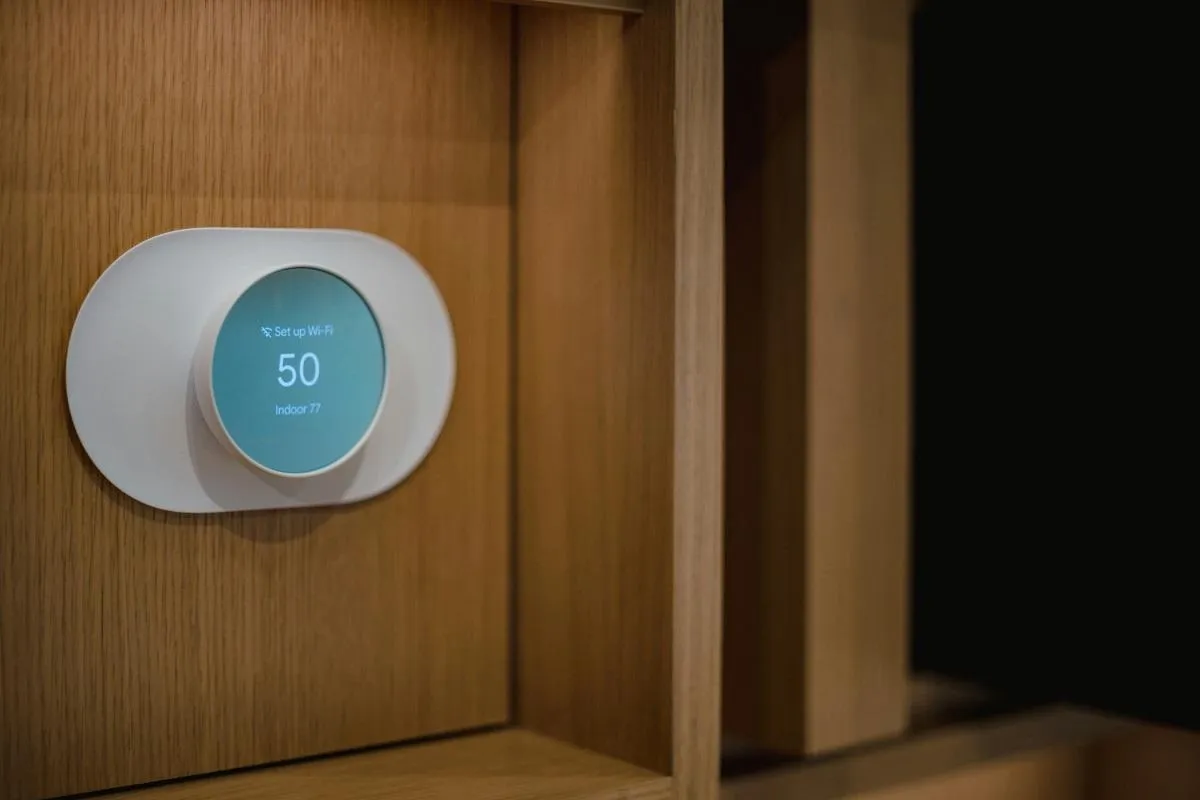
This is where your smart home investment starts paying for itself. A smart thermostat typically runs $60–$130 for a budget-friendly option (think ecobee’s entry-level model or the Google Nest Thermostat), and the energy savings can cover that cost within a year or two.
Given that one of the primary reasons consumers are rushing into smart home tech is energy efficiency — particularly relevant given rising utility costs — a thermostat is one of the best “second purchases” after you’ve gotten comfortable with smart plugs and bulbs.
4. Smart Security: Cameras and Doorbells That Won’t Break the Bank
Once you’ve handled the basics, security is usually the next logical step. Video doorbells and indoor cameras have gotten remarkably affordable. Wyze Cam, Blink, and Eufy all offer solid cameras in the $20–$50 range, and Wyze’s video doorbell regularly dips below $60 on sale.
The most popular smart home devices by consumer use include smart doorbells at 43% and smart security cameras at 40% — both of which you can get into without spending serious money.
Build Your Kit Room by Room
One of the smartest ways to approach a budget smart home setup is to think room by room, prioritizing the spaces where automation will actually change your daily routine. Rather than buying everything at once and getting overwhelmed, a phased approach lets you learn the ecosystem gradually while spreading out the cost.
If you’re unsure which devices make the most sense for each space in your home, this room-by-room guide to the smart home devices you should install first breaks it down clearly — from the bedroom to the kitchen to the garage — so you can prioritize what actually matters for how you live.
Budget Starter Kit: What to Buy First
Here’s a quick-reference list to get you from zero to a genuinely useful smart home without spending more than $150–$200 total:
- Smart plugs (4-pack):~$25–$35 (Kasa, Wyze, or Amazon Basics)
- Smart bulbs (2-pack starter):~$20–$30 (Wyze or Govee)
- Smart speaker/hub:~$30–$50 (Amazon Echo Dot or Google Nest Mini on sale)
- Smart thermostat:~$60–$80 (Google Nest Thermostat on sale, or ecobee entry-level)
- Indoor security camera:~$25–$35 (Wyze Cam or Blink Mini)
That’s a complete starter setup for well under $200 — and it covers lighting, energy savings, basic security, and voice control all at once.
Don’t Overthink It — Just Start
The data is pretty clear: the smart home market is massive, it’s growing fast, and it’s no longer a luxury space. With over half of North American households already using connected devices and global revenues approaching $175 billion, the ecosystem around budget smart home tech is more developed and competitive than ever.
That means better devices at lower prices, more third-party integrations, and a much smoother setup experience than early smart home adopters dealt with even three years ago.
Pick one category, buy one product, and get it working. The learning curve is short, the payoff is immediate, and once you’ve got one device running, the next one is always easier. That’s the whole point of a starter kit — it starts you somewhere.


Leave a Reply