
How Effective Design Influences Patient Interaction with Audiology Technology
Design is considered one of the most critical elements in health technology. It determines the nature of interactions between the devices and the patients themselves, more so in the field of audiology. Medical equipment is getting into the day-to-day management of health conditions; the way such devices are designed directly impacts the experience and, by extension, the effectiveness of use. This post will cover how design considerations in audiology technology can improve patient interaction and overall satisfaction.
Understanding the Role of Design in Audiology Devices
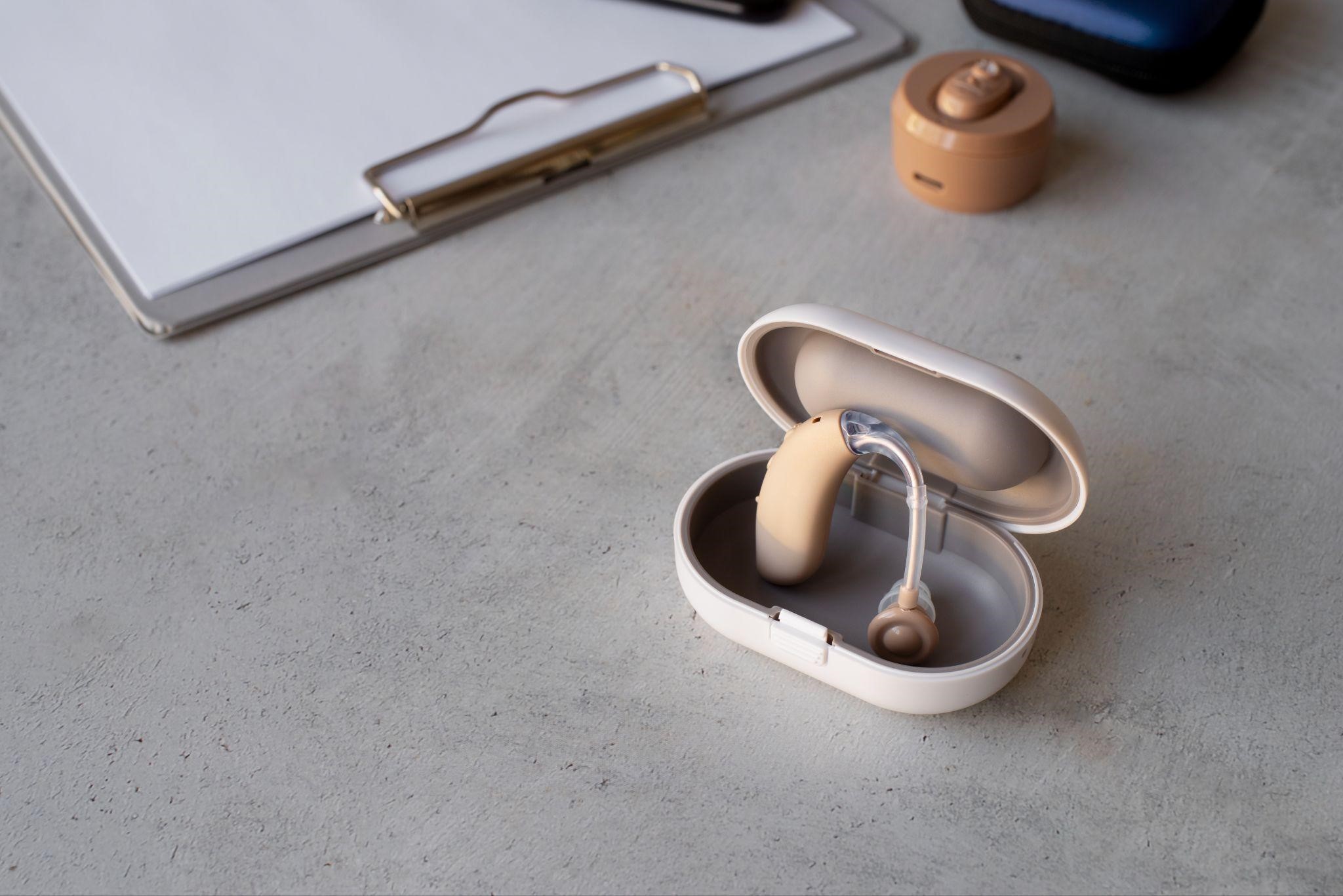
Audiology devices, like hearing aids and diagnostic equipment, are not just functional items but are a part of a user’s daily life and identity. Good design is related to the ergonomic fit, which looks after the user’s being comfortable with the device for long use and also to be discreet and aesthetically appealing. Emphasis is placed on intuitive interfaces with options for users of varied technical expertise and abilities to hear.
Designers also must consider the emotional and social implications that come with using such devices. After all, a well-designed hearing aid or diagnostic instrument does not only accomplish its intended purpose effectively but also integrates into the user’s lifestyle for an assured acceptance and regular use that is absolutely indispensable for the intended auditory benefit.
Usability Increases Patient Compliance
The concept of patient compliance in technology for audiology hinges on improved usability. A device easy to use and to understand incites the natural motivation to use it, thereby improving the overall management of effective treatment. Here is how better usability drives patient compliance:
Ease of use: Devices that are made self-intuitive allow the users to employ them with much ease, without referring to manuals constantly or even the assistance of professionals. For example, simple one-touch controls in hearing aids make it easy for a patient to manipulate settings, thus creating a sense of independence and self-efficacy.
Physical Comfort: Comfort is key in continuous use. The audiology device should be lightweight and personally contoured to the user’s ear. An ergonomic design that would not cause much discomfort in wear over an extended duration goes a long way in increasing the willingness of a patient to use the device as prescribed.
Adaptive Features: Modern hearing aids have features adaptive to different sound environments, which change automatically. This eliminates the barrier of manual change of the settings by the user when in different scenarios, as this process can be really daunting to do by many users.
Reliability: A usable device is a reliable one. For example, each time a device fails repeatedly or gives uneven performance, it has the potential to discourage the patient from using it on a regular basis. Assurances in the smooth functioning of the devices under the varying conditions will go a long way in fostering trust and reliance, key to long-term compliance.
This incorporation of elements of usability into audiological device design can improve user experience with the devices and assure better outcomes resultantly from use as intended. Additionally, understanding how hearing aids improve longevity can further highlight the significance of these devices in maintaining long-term health and wellness.
Enhancing the Experience of Users through the Design of Audiology Devices
Among the major foundations of patient confidence and user involvement in general are the ease of access and form factor of audiology devices. Sleek, discreet designs ensure that the patient will be more than willing to use the technology. Reducing visibility of the devices can help designers in reducing the device stigma associated with hearing loss, which may actually have the opposite effect on the rate of device adoption. Offering a variety of styles and colors allows the patient to select devices that complement their sense of style, thereby making the device a natural accessory and not a medical tool in the process.
It becomes important to remember that the devices in audiology must be used by a very diverse group of people in the population who have different levels of hearing and technical abilities. Wireless and integration of the devices with smartphones need to be very user-friendly and intuitive. Interfaces for the smartphones are used in apps with more customizable features, including larger button sizes, adjustable text sizes, and voice control, which add to the accessibility aspect and make the devices more usable to all users, not just the techno-savvy. Aesthetic appeal and easy accessibility converge to mean that audiology devices meet medical needs and yet fit seamlessly into daily life, fostering greater satisfaction and user engagement.
Psychological Comfort and Device Interaction
The application of audiology devices can be very psychological in their impact. At the conception of audiology technology, the psychological well-being of the user is very important. For instance, the anxiety in users who do not know whether the devices work as they should and whether they might produce surprising effects can very easily be controlled just by reducing such stressors. In a hearing aid, for example, the inclusion of feedback reduction technology reduces the chances of unexpected loud noises, which can be both disquieting and embarrassing.
This further brings confidence to the user of hearing as well as the ability to control features associated with making adjustments or receiving clear auditory prompts. It is in this sense of autonomy and security that its effect ripples over to overall user satisfaction and comfort. Since these psychological aspects are being satisfied, these are audiological devices that support both the auditory needs and the mental and emotional welfare of the user.
Trends in Future Audiology Design
The future of audiology device design will fall to the biocompatible materials developed in the future and the next generation of digital technologies taken up in the service of their design. This includes new technologies, such as 3D printing, which holds the promise of a device designed with full customization for fit into the unique contours of a user’s ear and thus comfort and effectiveness at a level that has not been previously experienced.
Artificial intelligence is gaining importance, working on algorithms that will learn and adapt according to the hearing patterns and preferences of the user for a more personalized experience.
Conclusion
The intersection of design and technology in the field of audiology is a critical area of focus that holds the potential to drastically improve patient outcomes. As designers continue to innovate, the emphasis on user-friendly, appealing, and accessible audiology devices will not only enhance patient interaction but also empower users to lead more connected and satisfying lives.
The effective design of audiology technology is more than just creating a functional product; it’s about crafting an experience that enhances the quality of life for those with hearing impairments. By prioritizing the user at every stage of the design process, manufacturers can ensure their devices go beyond mere functionality to become cherished aspects of their users’ lives.


Leave a Reply