
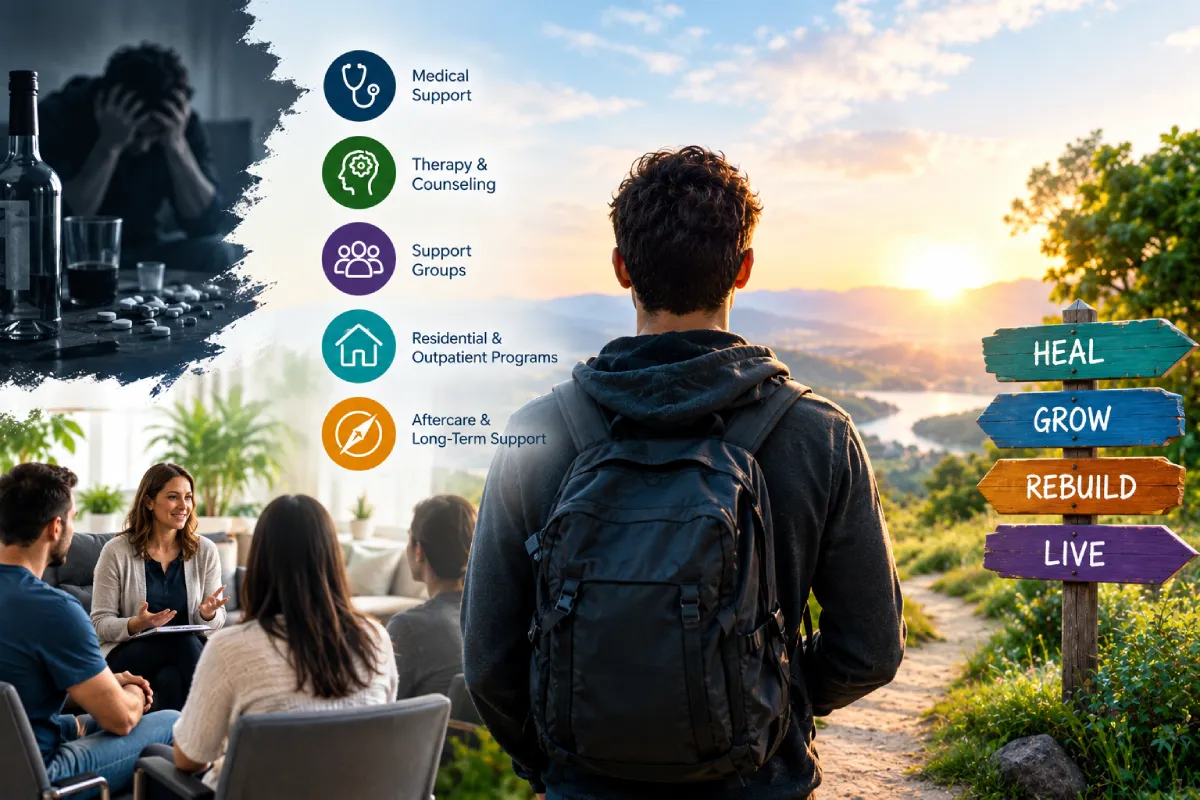
A Practical Guide to Addiction Treatment and the Path to Recovery
Over time, addiction can begin to creep into nearly every aspect of a person’s life, from their physical and relationships to their work, finances, and emotional health. What starts out as the occasional use of drugs can turn into a habit that becomes more and more out of hand. Many people find that the first and hardest step towards changing for good is identifying the problem.
Fortunately, addiction is treatable, and recovery is possible. Now, modern treatment emphasizes understanding the person more than trying to get them to stop using a substance. Medical treatment, therapy, behavioral support, family involvement and continued recovery services can all form part of an appropriate treatment plan. Research and clinical experience justify the need to tailor treatment to the individual’s needs and to modify it according to change in needs.
Understanding Addiction as a Health Condition
Addiction is more complex than a lack of willpower. Chronic drug abuse can impact how the brain functions and can impact motivation, decision making, cravings and behavior. This can be challenging to quit even if someone knows better, since the lack of information about the drugs can make it hard to understand the potential damage they might cause.
That’s why treatment is effective and must tackle both the physical and psychological dimensions of addiction. Treatment could involve withdrawal management, medications, individual counseling, group therapy, behavioral therapy and recovery support depending on the substance involved.
Choosing the Right Treatment Environment
The context where treatment is provided can greatly impact recovery. Treatment may be received in an outpatient environment and with ongoing home support for some, or a residential environment with more structure and supervision for others.
For individuals researching an afkickkliniek zuid afrika, it is important to look beyond the location or appearance of a facility
Before enrolling a prospective client/family, they should ask if the program offers qualified clinical staff, individual treatment planning, proper medical services, therapy and a well-defined transition plan for continuing care.
The quality treatment programs should be able to describe the services they offer and how they relate to a person’s recovery objectives. When finding treatment providers, consider whether they are accredited or licensed, whether their treatment strategies are evidence-based, and whether their providers are qualified.
The Role of Rehabilitation Centres
Rehabilitation programs can offer a structured setting where there may not be the same triggers or pressures as in daily life that can cause the individual to become stuck in their behaviors.
For someone considering rehabilitation centres pretoria, it can be useful to compare programs according to their treatment philosophy, available therapies, staff qualifications, medical services, accommodation, family involvement, and aftercare arrangements.
A good rehabilitation program will not just offer a temporary break from the addiction of drugs and alcohol. The larger goal is to provide a person with practical skills that could benefit his or her life following treatment. This can involve developing strategies to deal with cravings, identifying them when they occur, establishing healthier habits, learning to communicate better with others, and managing stress.
Medical Support and Withdrawal Management
Sudden cessation of some substances may result in intense withdrawal symptoms. Withdrawal symptoms vary with the substance and the individual’s health and may need medical monitoring.
Appropriateness of medically-supervised withdrawal management can be determined after a professional assessment. Detoxification may be a crucial initial stage but it is not considered to be full addiction treatment. Withdrawal can happen during detox and treatment, and even after detox, as a person needs additional therapy and more long-term support to address the triggers that led him/her to use substances.
Medications may also be a component of evidence-based treatment for some substance use disorders. Medications have been approved for treating alcohol and opioid use disorders, for instance, and can be used along with counseling and behavioral therapies.
Therapy and Behavioral Treatment
In many cases, therapy will be a key part of addiction recovery, as it can lead to an understanding of the way that someone has used substances.
Cognitive behavioral therapy, motivational techniques, supportive counseling and other behavioral treatments could assist individuals find their triggers and learn to react differently. Treatment may also include underlying issues that might be anxiety, depression, trauma, relationship problems, or work issues.
Importantly, treatment should not be the same for all individuals. The most successful evidence-based care is delivered to the unique person and their journey to progress.
The Importance of Family and Social Support
Addiction does not just happen to the addict; it can impact everyone in their life. The emotional and practical impact can also be felt by the family, partner, friends and workmates.
Involving family members in treatment can be beneficial for better understanding and communication, where appropriate. Families can learn about addiction and how to set healthy limits as well as how to support their loved ones in a positive way while not enabling the negative behavior.
Having supportive relationships and a stable environment also facilitates recovery to be maintained. While recovery is personal, there is a social piece to it that can be encouraging, holding you accountable and giving you a sense of belonging.
Developing a Long-Term Recovery Plan
A residential or intensive treatment program is not always the final step in treatment. Going back to routine, social pressures and environmental triggers.
Therefore, consideration of aftercare must be made prior to a person leaving treatment. A plan for recovery can involve outpatient treatment, peer support, family involvement, regular medical check-ups, support groups, and other recovery services.
Practical aspects of life are useful to be taken into account in a useful recovery plan. A person’s ability to make progress can be affected by factors relating to employment, education, housing, relationships, physical health and daily routines.
The SAMHSA’s Recovery Guidelines highlight the need for a comprehensive recovery process that includes a community network, supportive living arrangements, health care, and a meaningful life.
How to Evaluate an Addiction Treatment Provider
The decision to pick a treatment provider may be overwhelming, especially during a crisis when a family is making a choice. Specific questions can help make it easier.
When choosing a program, ask yourself the following:
- Is there a valid licence or accreditation for the facility?
- What are the clinical staff’s qualifications?
- Is treatment individualized?
- Are there any therapies or behavioural approaches available?
- Will medical assistance be provided as needed?
- How is any co-occurring mental health care treated?
- Does family involvement occur?
- What is in store after residential treatment?
- Is there a clear aftercare plan available?
- What is the criterion for progress and for the effectiveness of treatment?
If you’re looking for a reliable provider, they should be able to discuss their treatment methods and answer any questions you may have in a clear manner. According to quality-treatment guidance, one should seek out licensed and accredited providers and evidence-based practices, but not just based on “promises.”
Recovery Is a Process, Not a Single Event
A key aspect of the addiction treatment process is knowing that it is not always a linear path to recovery. For some, the journey of improvement comes fast, for others, it takes a number of steps and ongoing help.
A setback does not automatically mean that treatment has failed. Relapse is a possibility with addiction, and the treatment can change as circumstances change. The ongoing care can help people identify problems on the early signs and find suitable help.
The final objective isn’t merely the completion of the treatment program. The purpose is to assist the person to establish a healthy and self-reliant lifestyle in which recovery can be sustained over time.
Final Thoughts
To successfully treat addiction, more than just removing the substance from a person’s immediate environment is needed. This looks at physical dependency, psychological issues, personal and family factors, relationships and the realities of life after treatment. Quality, individualized treatment, qualified staff, evidence-based treatment and a realistic long-term recovery plan are the most important factors to consider when comparing residential treatment options, when considering rehabilitation programs or when searching for continuing treatment. Addiction can be treated and with the right care and support, individuals can make positive changes and create a better, more stable life.


Leave a Reply