
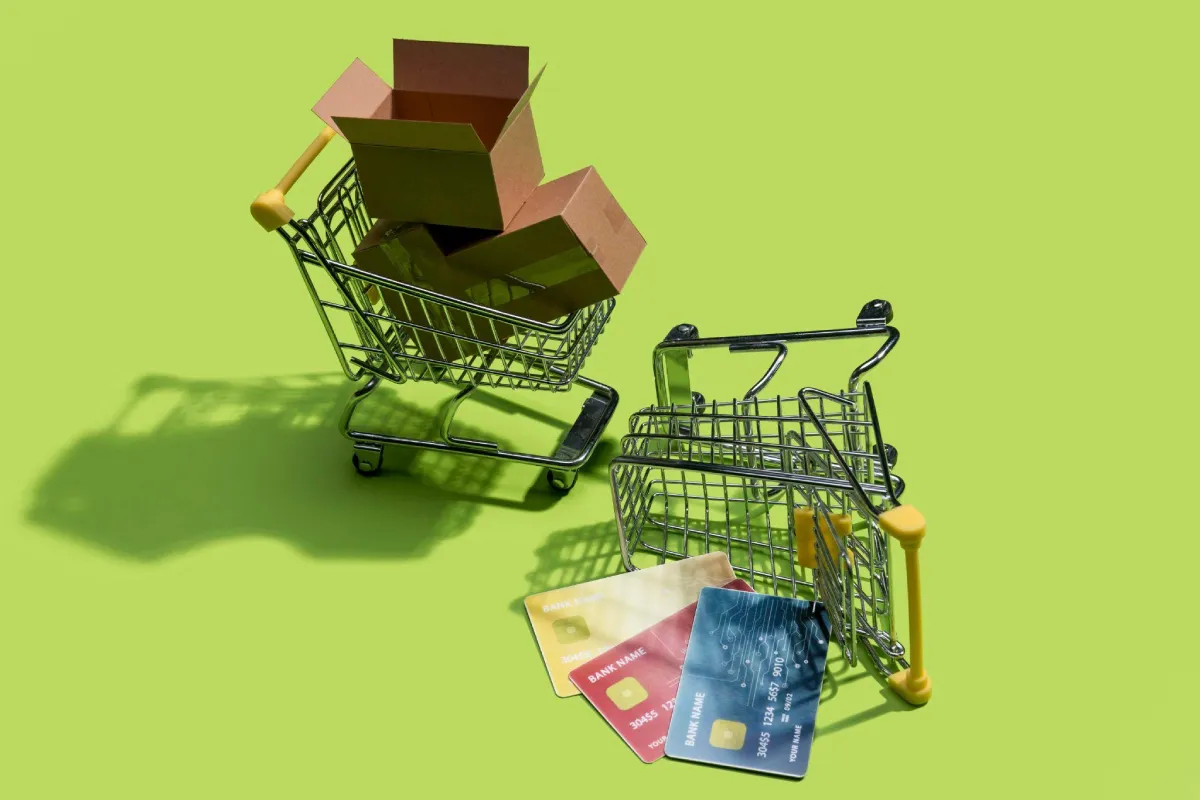
Abandoned Shopping Carts: Why the Problem Isn’t the “Buy” Button, but the Checkout Process
In modern e-commerce, an abandoned cart isn’t just a postponed purchase; it’s a potentially lost sale, and this can become a real problem for businesses. Companies are looking for various ways to solve this problem: they revamp their website design, simplify product pages, and even change the colors and design of the “Buy” button itself; however, these often fail to produce the desired result. As experience shows, most shoppers who abandon their carts do so after they have already placed their order. And the issue here is most often not the interface or an unattractive button color, but the checkout process itself. So what could be wrong with it? In this article, we’ll discuss the reasons behind such behavior on the part of shoppers, highlight common payment processing mistakes, and share tips on how to effectively fix this problem.
Why Do Customers Abandon Their Carts at the Checkout Stage?
An abandoned cart represents a portion of lost revenue that every online store experiences. There are many reasons why people never complete a purchase. If a customer proceeds to checkout for a product or service, enters their payment information, but the payment ultimately fails, this type of transaction can be loosely referred to as an “abandoned payment”. A great deal of time is spent on bringing the customer back to the site to complete the order, but not nearly enough attention is paid to helping potential customers complete the payment.
One of the most common reasons why a customer never completes a purchase is unexpected additional costs. This is a real obstacle to sales, especially if you’re offering services. Even if you’ve set up high-quality smart marketing campaigns, prepared your content, and expect to gain loyal customers, an unexpected additional charge will most likely ruin the experience, even if the amount is small. This could be an extra fee for shipping, a tax, or something similar. The buyer may feel like they’re being scammed, which is why financial transparency is crucial, especially when aiming for a long-term relationship.
Another equally common reason for abandoned shopping carts is a limited selection of payment methods. Very often, the lack of installment plans or support for Apple Pay/Google Pay causes shoppers to abandon their purchases. Slow page loading, system freezes, or errors during the payment process are also common issues that lead shoppers to cancel their purchases, and it’s important for businesses to understand how to fix this.
Why Redesigning the “Buy” Button Doesn’t Solve the Problem
Online store design is the first thing most companies focus on when the number of abandoned carts starts to rise. They then begin redesigning product pages, adding new call-to-action, and changing the color of the “Buy” button. Of course, all of this can have a slight impact on click-through rates, but it very rarely solves the problem with abandoned carts.
The most important thing a company needs to do when faced with this kind of problem is to seek high-quality payment gateway integration services; that is, to focus not only on the design but also on the technical aspects of the issue. This way, you will enable diverse payment options, from cards to e-wallets and bank transfers, and more, so your customers always find their preferred payment method, helping you boost conversions and adapt to every market. It is precisely these kinds of modern payment solutions, not a redesign of the “Buy” button, that truly help reduce the number of abandoned orders.
How to Optimize the Checkout Process and Increase Conversion Rates
Ensure complete price transparency
Confusing pricing has always been a major obstacle to closing a sale. Establishing a single crystal-clear price should increase the likelihood that a customer will complete their order.
Make payments secure
Cybercrime is increasingly targeting mobile devices, and this means that consumers are wary of payments that aren’t secure. You must make it clear that the verification process uses the latest security technologies and doesn’t request personal information.
Offer a variety of payment options
Customers expect to see the payment methods they’re used to, such as credit cards, digital wallets, instant transfers, and other popular local payment methods. A wide selection builds trust and reduces the risk of abandoned carts.
Final Thoughts
In today’s e-commerce landscape, abandoned carts are a more common problem than you might think. And while redesigning the interface and changing the “Buy” button may slightly improve certain metrics, they’re unlikely to address the real reason behind shopping cart abandonment. More often than not, the problem lies in a cumbersome, somewhat slow, or unreliable checkout process. To create a truly positive user experience and build trust in the brand, businesses need to ensure a simple checkout process, a high level of security, and support for various payment methods. Improving the payment infrastructure is a tool that will not only reduce the number of abandoned carts but also increase conversion rates and strengthen market position.


Leave a Reply