
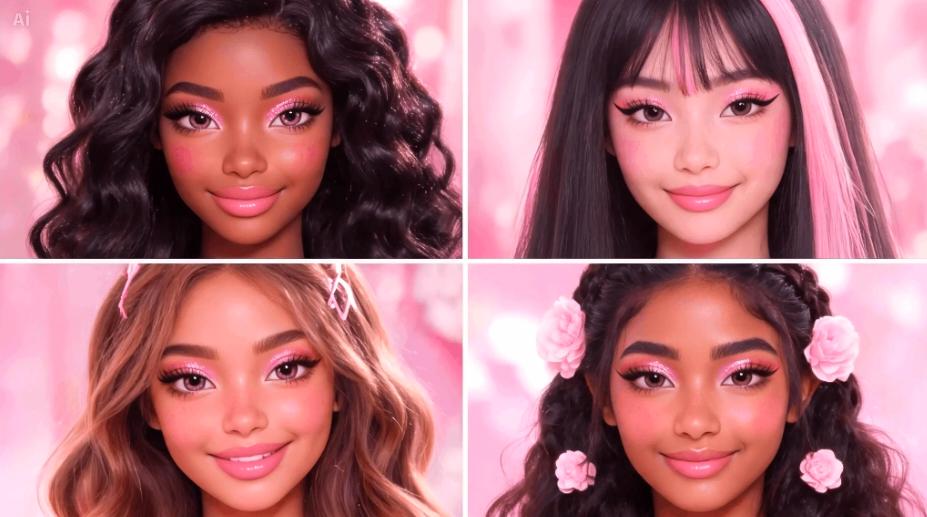
Barbie Face Filters: How AI Is Transforming Creative Self-Expression Online
Social media has changed the way people express themselves online. Every year, new trends emerge that encourage users to experiment with creative edits, unique visual effects, and entertaining photo transformations. Among these trends, AI-powered face filters have become some of the most popular digital tools available. They allow anyone to transform a simple selfie into a fun, artistic, or themed portrait within seconds.
One trend that has gained significant attention is the barbie face filter, which lets users create glamorous, doll-inspired portraits with polished features, vibrant colors, and fashionable styling. While these filters are entertaining, they also highlight how artificial intelligence is making photo editing more accessible than ever before.
The Rise of AI Face Filters
Not long ago, creating professional-looking photo edits required advanced software and editing skills. Today, AI has simplified the entire process. Modern face filters automatically recognize facial features, lighting, expressions, and angles before applying realistic enhancements.
These tools use machine learning to identify facial landmarks such as the eyes, nose, lips, and jawline. Once detected, the software applies visual effects that blend naturally with the original image.
As a result, users can produce creative portraits without spending hours learning complex editing techniques.
Why Barbie-Inspired Filters Became So Popular
Fashion-inspired filters have always attracted attention because they combine creativity with entertainment. Doll-inspired effects, especially Barbie-themed styles, became widely shared because they offer a polished and colorful appearance that feels playful rather than overly realistic.
Many people enjoy experimenting with different versions of themselves through themed filters. Bright makeup, smooth skin, fashionable hairstyles, and vibrant backgrounds create images that stand out on social media platforms.
The popularity of these filters also reflects the growing interest in AI-generated art and personalized digital experiences.
How AI Creates Realistic Results
Artificial intelligence has advanced far beyond simple image overlays. Today’s AI systems analyze several aspects of a photo before generating the final effect.
Some of the technologies involved include:
- Facial landmark detection
- Image segmentation
- Skin texture enhancement
- Color balancing
- Background recognition
- Lighting correction
By combining these technologies, AI creates edits that appear natural instead of looking obviously filtered.
Creative Uses Beyond Social Media
Although many people use face filters for entertainment, their applications extend much further.
Content creators often use themed portraits for profile pictures, thumbnails, promotional graphics, and digital branding. Designers may experiment with different visual concepts before creating illustrations or marketing materials.
Some educators even use AI image generation to explain concepts related to computer vision, machine learning, and digital creativity.
The growing accessibility of these tools encourages more people to explore creative design without needing professional experience.
Choosing the Right Filter Tool
With hundreds of AI editing platforms available online, selecting the right one depends on individual needs. Some applications focus on realism, while others specialize in artistic transformations or cartoon effects.
When exploring a barbie face filter, users should look for tools that provide:
- High-quality image processing
- Natural facial recognition
- Adjustable editing options
- Privacy protection for uploaded photos
- Fast processing times
- Compatibility with mobile and desktop devices
A reliable platform allows users to experiment with different styles while maintaining image quality.
The Role of AI in Digital Creativity
Artificial intelligence is no longer limited to research laboratories or software development. It has become a creative companion for millions of everyday users.
People now generate digital artwork, enhance portraits, restore old photographs, create avatars, and design personalized content using AI-powered applications.
These technologies reduce technical barriers and encourage users to focus on creativity rather than complicated editing processes.
As AI continues evolving, future tools will likely offer even greater customization, allowing users to create highly personalized visual experiences.
Responsible Use of AI Filters
While AI face filters provide exciting creative opportunities, responsible usage remains important.
Users should understand that edited images represent artistic interpretations rather than reality. Maintaining transparency when heavily modifying photos helps reduce unrealistic beauty expectations on social media.
It’s also wise to review the privacy policies of editing platforms before uploading personal images. Choosing reputable services helps protect user data while ensuring a safer editing experience.
Using AI responsibly allows people to enjoy creative technology without compromising authenticity or personal privacy.
Looking Ahead
The popularity of AI-powered face filters shows no signs of slowing down. As image generation technology becomes more sophisticated, users can expect faster processing, higher realism, and more interactive editing features.
Future developments may include real-time 3D transformations, personalized AI styling, and fully customizable digital avatars that adapt to individual preferences.
For anyone interested in exploring creative portrait editing, experimenting with a barbie face filter offers an entertaining introduction to the possibilities of modern artificial intelligence. More importantly, it demonstrates how AI is transforming everyday digital creativity into an accessible experience for users of all skill levels.


Leave a Reply