

Commuter Ebike vs. Public Transport: Which Is Actually Cheaper in 2026?
The question in 2026 for the daily rider is a straightforward one: pay more money to take public transit buses and trains or buy a Commuter Ebike of your own and go when you want?
Heck, there is still public transport which comes handy especially in large cities. It helps you avoid the hassle of traffic, parking, fuel and car maintenance. However, fares have increased in many areas and daily commutes could get pricey over the course of a full year.
An upfront payment will be required for a Commuter Ebike, but the running costs of such bikes are very low. So whether the cheaper option for you will depend on your distance, riding habits, city fares and travelling frequency.
This is so let’s take a very practical breakdown.
What Is a Commuter Ebike?
A Commuter Ebike is a practical electric bike for daily commutes. Typically designed for the road, bicycle lanes, office deals, college journeys, grocery runs and brief city rides. The majority of commuter options provide all the comfort and convenience functionality you would expect; pedal assist, lights, fenders, racks, relaxed seat pumps and extended-range batteries.
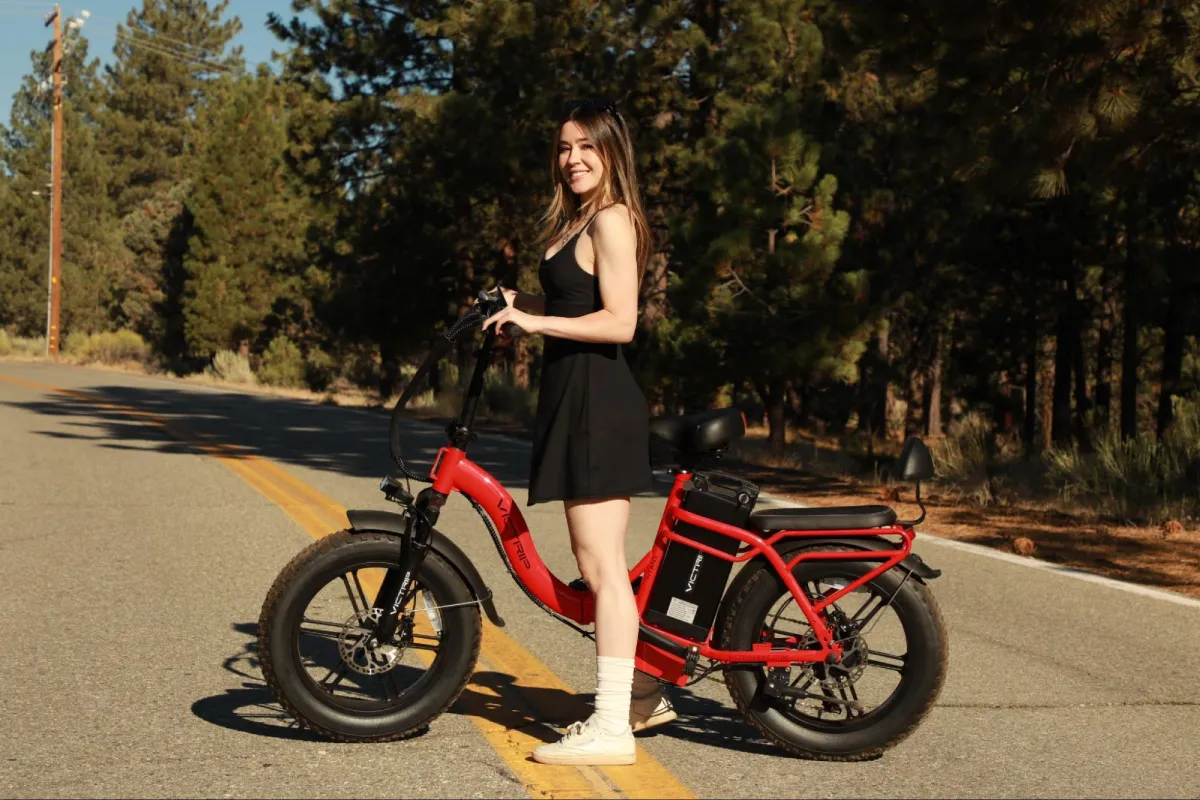
This makes them more convenient for daily use than a traditional bicycle. A commuter model, unlike an Off Road Electric Bike or an Electric Dirt Bike, is not primarily designed for rugged trails and aggressive riding. It is designed for comfort, safety and assured travel.
Public Transport Costs in 2026
Public transport prices vary a lot by city. In New York City, the subway and local bus fare is now $3 for most riders, while express buses cost $7.25
In London, Transport for London lists the adult bus and tram fare at £1.75, with a monthly bus and tram cap of £94.90 in 2026. (Transport for London)
For someone commuting five days a week, public transport can easily cost hundreds or even thousands per year. The total depends on whether you pay per ride, use a monthly pass, or qualify for discounts.
Public transport may still be cheaper if your city has low fares, free passes, student discounts, or employer travel benefits. But if you pay full fare every day, the cost adds up fast.
Commuter Ebike Costs in 2026
As such a commuter Ebike often tends to cost a little bit more at the outset. On the most basic model the new rider can spend their savings as cheap is never cheerful for reliable daily commutes since many riders opt for a mid-range model rather than maxing out on price.
You may also require a helmet, a solid lock, lights, a pack for remodels (think around), and some essential precipitation rigging. These are not luxury items. They protect your bike, your life, and your day-to-day happiness.
One of the most important benefits is charging. E-bike batteries consume orders of magnitude less electricity than their much larger counterparts in cars or motorcycles. Despite U.S. residential electricity prices forecast to increase in 2026, e-bike charging continues to represent a small monthly expense by virtue of the limited capacity of an e-bike battery.
More costly long-term expenses are tires, brake pads, chains, tune-ups as well as the more uncommon battery replacement. However, for a lot of riders the annual cost of maintenance is well below owning a car and on par with (and at times lower than) full-price public transport.
Simple Cost Comparison
Here is a basic example for a daily commuter:
| Cost Item | Public Transport | Commuter Ebike |
| Upfront cost | Low | Medium to high |
| Daily Travel cost | Medium | Very low |
| Monthly pass/fare | Often $80-$150+ | Usually low electricity cost |
| Maintenance | None for rider | Tires, brakes, tune-ups |
| Flexibility | Route Based | Door-to-door |
| Weather Impact | Low | Medium to high |
This table shows the main difference. Public transport feels cheaper at the start. A Commuter Ebike can become cheaper over time, especially if you ride often.
When a Commuter Ebike Is Actually Cheaper
Your riding is mostly short to medium distance and often with a Commuter Ebike – which is not that expensive.
E.g. you have $100/month in fixed costs in transport — that works out to ~$1200 over the course of a year (12 months). The bike could start earning back a return on your investment within around one-to-two years given a $1,500 e-bike and a few hundred dollars in accessories along with other upkeep.
And if you use the bike for more of your errands, going to the grocery store, hitting the gym, dropping off kids at school, or heading out for dinner on a weekend then it grows even larger. Weaken the value by every avoided bus, train, taxi or rideshare fare.
And, you may intuitively see that Commuter Ebike saves your time in many different ways. You wait for buses, you miss no connection or are far from stations walking. Time may not be representing cost per se, and generally even a dimensionless unquantified metric such as this is meaningful in the real world.
When Public Transport Is Cheaper
Very seldom, but there are moments in the case of public transport that it still is the more clever answer. Long commute, in which you have to get an e-bike. That’s a scary thought, too, if you live in a town with poorly paved streets, lousy bike lanes or just steady rains most of the year.
And if you need to store your bike somewhere safe, public transport is a safer bet too! Ebike thievery is legit: They are much easier pickings in crowded spaces. It will also help, but even better a secured car park. Public transport is hard to beat if your employer pays for your pass. The same goes for programs serving students, seniors and individuals paying full price.
Off Road Electric Bike vs. Commuter Ebike
When you place the electric bicycle next to its commuter version there are some differences. Usually with a beefier tire, stronger suspension, more weight on the frame & much better to handle on rugged terrain.
While this sounds enticing, it likely won’t be the cheapest way to move around town on a daily basis. Off-road bikes — more expensive, heavier and shorter completion range Conversely works great on trails, gravel ways, farms and any other kind of mixed terrain but are not really recommended for the office commute.
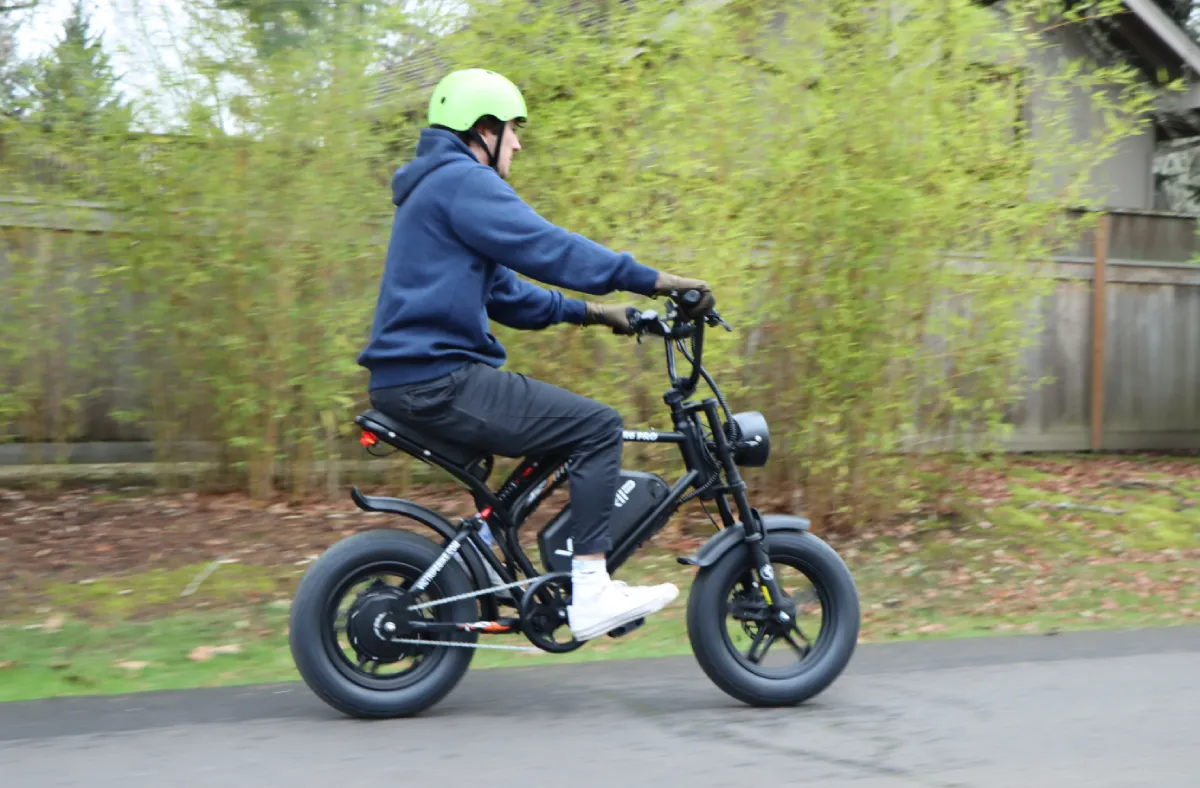
Off Road Electric Bike If your route is through broken roads, hills, dirt shortcuts or my bike gravel. But if you are on the pavement for most of your riding a good Commuter Ebike is just better overall, and often less expensive!
Electric Dirt Bike for Commuting: Smart or Not?
An Electric Dirt Bike is designed to be tough, powerful & fun. NOT a street-legal commuter E-moto Many states will require Electric Dirt Bike be licensed for on-road use, get plates and insurance or even be limited in operation. But maybe it’ll be overkill for bike lanes, not casual enough for everyday commuting.
We suggest the Electric Dirt Bikes for economical travel, in general. Recreational riding; most appropriate for existence, trails or sports. The best value for your daily commute is usually an Ebike.
Final Verdict: Which Is Cheaper in 2026?
In the long run, Ebike commuting may cost a fraction less than the daily commute using public transport for cyclists who ride often. More expensive upfront but insignificant in day-to-day running costs.
This leads to a situation where, if transit fares are low-cost, trip distance is high, weather is inclement or bike infrastructure is inadequate or secure storage space unavailable—public transport performs much better.
It is simple, you take your monthly fare and times it by 12 and you compare that with the total cost of a Commuter Ebike + accessories + maintenance.
The most affordable 2026 deal may not come from the cheapest base price off the bat. But no one has to pay for a calendar — the happiest place is where you will save your money, time and nerves during an entire year.


Leave a Reply