
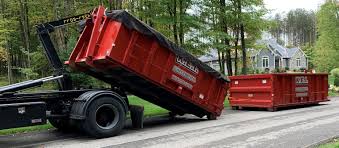
Construction Dumpster Rental Tips for Efficient and Safe Job Site Waste Handling
Construction projects generate a significant amount of waste, often in a short period of time. From broken materials to packaging and debris, managing this waste effectively is essential for maintaining a safe and productive job site. Construction dumpster rental provides a structured solution that keeps work areas organized and reduces potential hazards.
Without proper waste management, construction sites can quickly become cluttered and difficult to navigate. This not only slows down progress but also increases the risk of accidents. A well-placed dumpster allows workers to dispose of materials efficiently, keeping the site clear and functional.
Partnering with a reliable provider such as American Dumpster Co ensures that construction teams have access to the right equipment and support. With proper planning and coordination, dumpster rental becomes an integral part of successful project execution.
Why Construction Dumpster Rental Is Essential for Job Sites
Construction sites involve constant movement, material use, and demolition, all of which contribute to waste buildup. Without a designated disposal system, debris can accumulate rapidly and interfere with daily operations. A construction dumpster rental helps maintain order and efficiency.
Having a centralized location for waste disposal streamlines workflow. Workers can quickly discard materials without leaving the site or interrupting their tasks. This improves productivity and keeps projects on schedule.
Safety is another key reason for using dumpsters on construction sites. Loose debris can create tripping hazards and obstruct pathways. Proper waste containment reduces these risks and supports a safer working environment.
Selecting the Right Dumpster for Construction Needs
Choosing the appropriate dumpster size and type is critical for handling construction waste effectively. Different projects produce varying amounts and types of debris, so selecting the right container ensures optimal performance. Understanding project requirements helps guide this decision.
Large-scale construction projects typically require high-capacity dumpsters to accommodate heavy and bulky materials. Smaller renovations may only need medium-sized containers. Matching the dumpster size to the scope of work prevents overflow and unnecessary costs.
Experienced providers like American Dumpster Co assist contractors in determining the best options for their projects. Their expertise ensures that the selected dumpster meets both capacity and safety requirements, allowing work to proceed smoothly.
Considering Material Types and Weight Limits
Construction waste includes a wide range of materials, each with different weight and disposal requirements. Common items include concrete, wood, metal, drywall, and insulation. Properly managing these materials is essential for efficient dumpster use.
Weight limits play a significant role in construction dumpster rental. Heavy materials such as concrete and bricks can quickly exceed allowable limits if not managed carefully. Distributing weight evenly helps prevent issues during transport.
Separating certain materials may also be necessary for recycling or compliance purposes. Understanding these requirements ensures that waste is handled responsibly and in accordance with regulations.
Strategic Placement of Dumpsters on Job Sites
The location of a dumpster on a construction site directly impacts efficiency and safety. Placing it too far from work areas can slow down disposal, while poor positioning may obstruct equipment or pathways. Careful planning ensures optimal placement.
Ideally, dumpsters should be positioned close to active work zones without interfering with operations. This allows workers to dispose of materials quickly and return to their tasks. Accessibility for delivery and pickup is also important.
Coordination with the rental provider helps determine the best placement strategy. American Dumpster Co often works with contractors to identify suitable locations that balance convenience and safety. This collaboration improves overall site management.
Best Practices for Managing Construction Waste
Effective waste management requires more than simply having a dumpster on-site. Organizing how materials are disposed of can significantly improve efficiency. Encouraging workers to follow consistent practices helps maintain order.
Sorting materials as they are discarded can streamline disposal and recycling efforts. Keeping similar materials together makes it easier to process waste later. This approach also helps maximize available space داخل the dumpster.
Regular monitoring of the dumpster prevents overfilling and ensures timely removal. Scheduling pickups based on project progress keeps the site clean and operational. Consistent attention to waste management supports smoother workflows.
Reducing Environmental Impact Through Proper Disposal
Construction projects can have a significant environmental impact if waste is not handled responsibly. Proper dumpster use helps minimize this impact by ensuring that materials are collected and processed correctly. Many providers offer recycling options for certain materials.
Recycling construction waste reduces the amount sent to landfills and conserves valuable resources. Materials such as metal, wood, and concrete can often be repurposed. This contributes to more sustainable building practices.
Working with experienced companies like American Dumpster Co allows contractors to implement environmentally responsible disposal methods. Their services often include guidance on sorting and recycling, helping projects align with sustainability goals.
Avoiding Common Challenges in Construction Dumpster Use
Several challenges can arise when managing construction dumpsters, particularly on busy job sites. One common issue is overloading the container, which can lead to safety concerns and additional fees. Staying within capacity limits is essential.
Improper disposal of restricted items is another frequent problem. Hazardous materials, certain chemicals, and specialized waste require separate handling. Understanding these restrictions prevents compliance issues.
Poor communication among team members can also affect waste management. Ensuring that all workers understand proper disposal practices helps maintain consistency. Clear guidelines reduce confusion and improve efficiency.
Budgeting and Cost Management for Dumpster Rentals
Managing costs is an important aspect of any construction project. Dumpster rental expenses can vary based on size, duration, and type of waste. Planning ahead helps keep these costs under control.
Estimating waste volume accurately prevents the need for multiple rentals or oversized containers. This reduces unnecessary expenses and improves budget efficiency. Clear communication with the provider ensures accurate pricing.
Choosing a reliable company such as American Dumpster Co provides transparency and predictable costs. Their experience helps contractors avoid unexpected charges and manage resources effectively. Proper budgeting supports smoother project completion.
Enhancing Productivity Through Organized Waste Handling
An organized construction site is a productive one. Efficient waste handling reduces clutter, improves safety, and allows workers to focus on their tasks. Dumpster rental plays a key role in achieving this level of organization.
When waste is managed effectively, project timelines are easier to maintain. Workers spend less time dealing with debris and more time completing essential tasks. This contributes to overall efficiency and success.
Ultimately, construction dumpster rental is more than just a convenience; it is a critical component of job site management. By implementing proper strategies and working with experienced providers, contractors can ensure safe, efficient, and well-organized operations from start to finish.


Leave a Reply