
Designing for Trust: Why E-Commerce Brands Must Rethink Their AI Content Strategy
Building a visually stunning online store has never been more accessible. With high-performance frameworks and premium layouts at your fingertips, you can launch a beautifully optimized WooCommerce or Shopify site in a matter of days. You can tweak the CSS, optimize the load times, perfect the typography, and ensure the mobile responsiveness is flawless. However, a stunning layout is only half the battle; the words sitting inside those beautifully designed text blocks actually have to convert the sale. To fill out hundreds of product pages, blog posts, and category descriptions, many store owners and web agencies have enthusiastically turned to generative text models. It is a massive time-saver for scaling a catalog, but it carries a hidden, devastating risk. Shoppers instantly lose trust when a product description reads like a generic technical manual, and search engines are aggressively burying low-effort, synthetic text. To protect your site’s SEO and keep your bounce rates low, your content strategy requires a reliable, undetectable ai workflow that matches the premium, bespoke feel of your storefront.
The core issue with raw machine-generated copy isn’t necessarily factual inaccuracy; it is the complete lack of brand personality. Think about the user journey. When a customer lands on a meticulously designed product page for a handcrafted leather weekend bag, they expect the text to evoke a sense of craftsmanship, durability, and lifestyle. Instead, if they are greeted with repetitive, predictable sentences packed with algorithmic favorites like “delve into,” “moreover,” and “a testament to,” the illusion shatters immediately.
The layout might be gorgeous, and the hero images might be crisp, but the robotic tone creates cognitive friction. In e-commerce, friction kills conversions. Shoppers might not explicitly know they are reading a bot’s output, but their brains subconsciously recognize the unnatural rhythm, leading to an immediate click away to a competitor.
To fix this glaring disconnect, modern web agencies are fundamentally changing how they handle content at scale. You don’t have to completely abandon automated tools to outline your category pages or brainstorm landing page copy. However, you do need to actively humanize ai drafts before they ever go live on your server. This means dismantling the rigid, highly uniform sentence structures that language models default to. It requires varying the paragraph lengths to improve visual readability—especially for mobile users scrolling quickly through a product feed—and swapping out bloated corporate jargon for the persuasive, conversational language that actually speaks directly to your target demographic.
Of course, manually rewriting thousands of SKUs or dozens of blog posts completely defeats the purpose of using time-saving automation in the first place. You are a store owner or a web designer, not a full-time editor. This is exactly why dedicated structural refinement platforms are quickly becoming essential plugins in the modern e-commerce tech stack.
Rather than just acting like a basic thesaurus that spins a few words, a dedicated processing layer analyzes the mathematical predictability of a generated draft. It breaks down the monotonous pacing and introduces the natural “burstiness” of genuine human writing.
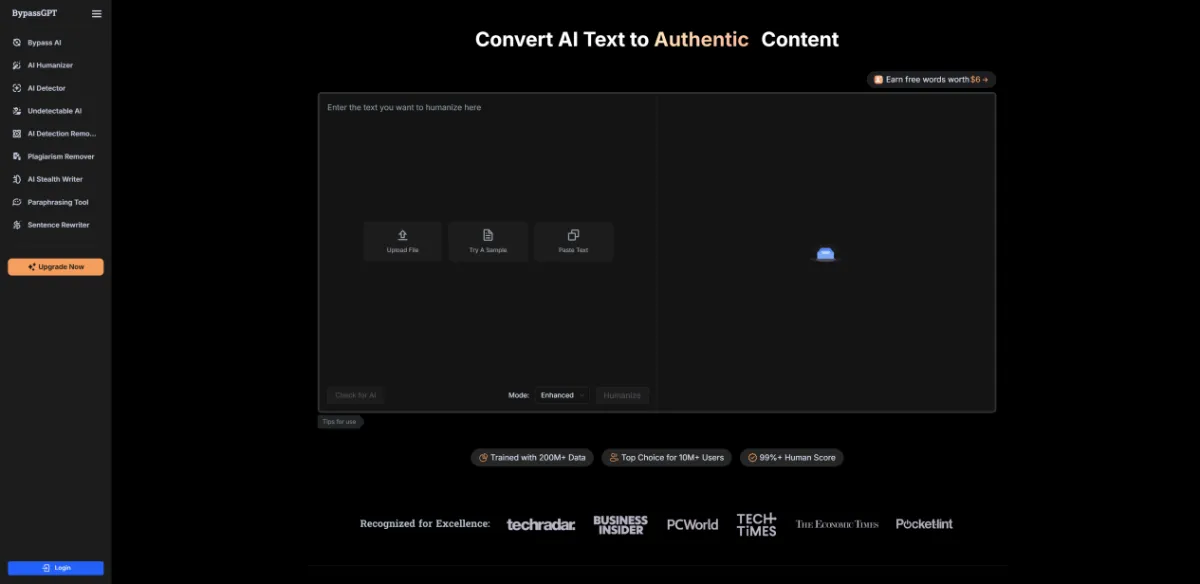
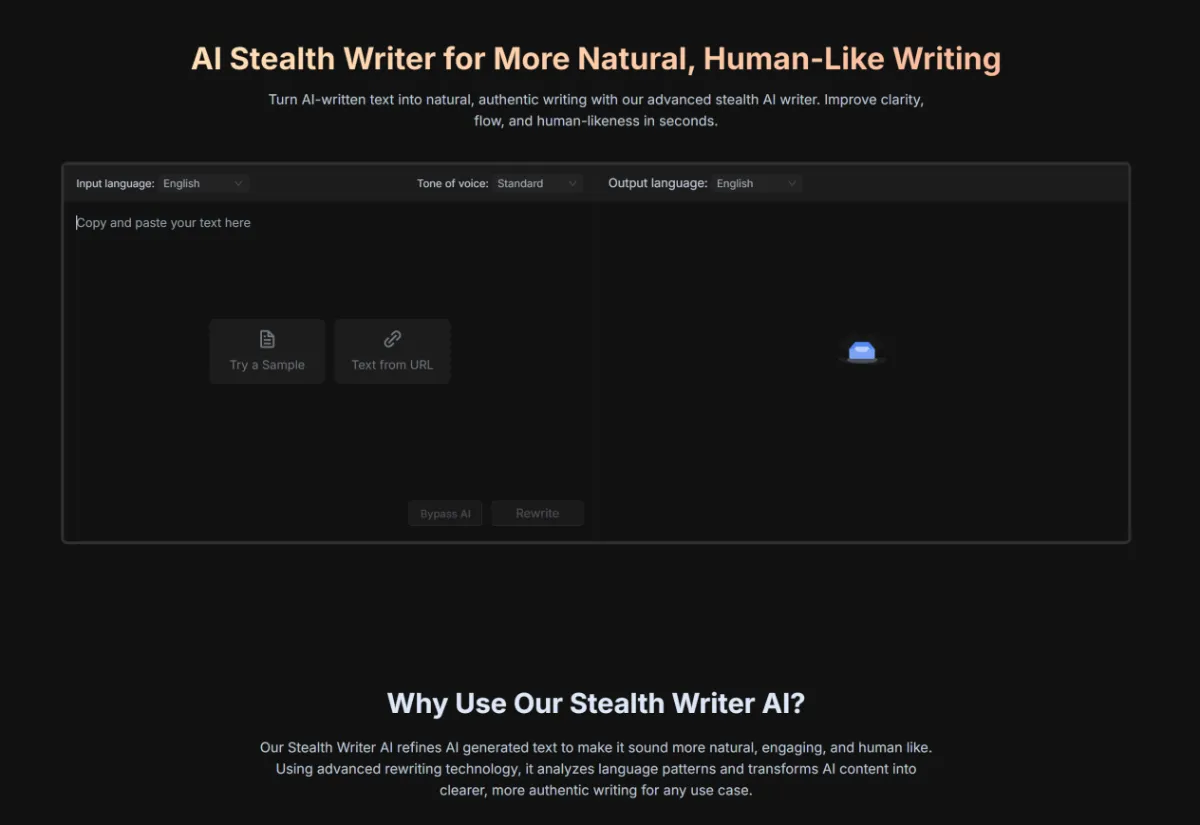
Incorporating a tool like bypassgpt.ai into your publishing pipeline allows you to format your text so that it flows naturally alongside your premium design. Think of this step as employing an AI Stealth Writer just before you hit the final publish button in WordPress. It acts as a sophisticated linguistic filter, instantly smoothing out the sterile edges of your copy and restoring the chaotic, organic rhythm of human speech. By treating your text with the exact same level of care as your site’s UI, you ensure that your beautifully designed website is filled with authentic, engaging content that keeps both search algorithms and paying customers coming back for more.


Leave a Reply