

Electric Scooty Price Guide: Factors That Affect Your Buying Decision
Electric mobility is becoming a preferred choice for many city riders looking for convenient and efficient ways to travel. With changing commuting needs, increasing fuel costs, and growing interest in sustainable transportation, electric scooters are gaining popularity among daily commuters.
The price of an electric scooty depends on several factors beyond the initial purchase cost. Understanding these aspects can help riders make a more informed decision based on their travel needs and expectations.
Let’s explore the key factors that influence electric scooty pricing and what buyers should consider before choosing a model.
What Factors Influence the Price of an Electric Scooty?
The price of an electric scooty can vary based on the specifications, features, and technology offered by different models. Instead of focusing only on the upfront cost, riders should evaluate how the scooter fits into their daily usage and long-term requirements.
- Battery Capacity and Range
Battery performance is one of the biggest factors that affects electric scooter pricing. A scooter with a higher battery capacity may offer greater range, making it suitable for riders who travel longer distances regularly.
For city commuters, selecting a battery size based on daily travel patterns can help balance cost and usability. Riders should consider their average commute distance, charging frequency, and expected usage before deciding on a model.
- Features and Technology
Modern electric scooters include several technology features that can influence their pricing. Digital displays, connected features, navigation support, riding modes, and security functions can add convenience to everyday riding.
While comparing the price of an electric scooty, riders should consider which features are useful for their requirements. A model with practical technology features can provide better value by improving the overall riding experience.
- Performance and Riding Requirements
Performance requirements also play an important role in determining electric scooter costs. Factors such as motor output, acceleration, speed, and overall riding capability can affect the final price.
City riders may prefer a scooter that offers smooth handling and reliable performance for daily commuting. Understanding how a scooter performs in regular traffic conditions can help buyers choose a suitable option without paying for features they may not need.
- Charging Requirements
Charging convenience is another factor that influences the ownership experience of an electric scooter. Models may differ based on charging time, battery capacity, and charging support.
Before considering the price of an electric scooty, riders should evaluate their charging availability and daily routine. A scooter that fits easily into their charging schedule can provide greater convenience over time.
- Build Quality and Design
The materials used, design approach, and overall construction can also influence electric scooter pricing. A well-built scooter can provide better durability and a more comfortable riding experience.
Design elements such as seating comfort, storage capacity, riding position, and ease of handling are important for everyday city usage. Riders should look beyond appearance and consider how the scooter supports practical commuting needs.
- Ownership and Maintenance Costs
The overall value of an electric scooter depends on long-term ownership factors as well. Running expenses, servicing requirements, battery care, and warranty support can influence the total cost of ownership.
Comparing these factors along with the price of an electric scooty can help riders understand the benefits of their investment over time.
Which Bajaj Chetak Models Can Riders Consider?
When exploring the price of an electric scooty, riders can consider different models based on their commuting needs and preferred features. Bajaj Chetak offers multiple electric scooter options designed for different urban riding requirements.
- Bajaj Chetak C2501
The C2501 has a 2.5 kWh battery, a 113 km IDC range, and a 60 km/h top speed. Its compact design and front disc brake support convenient everyday city riding.
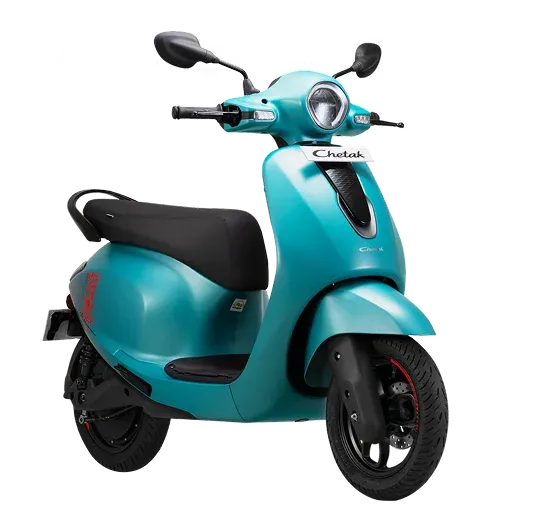
Bajaj Chetak C2501
- Bajaj Chetak C3001
The C3001 combines a 3.0 kWh battery, a 131 km IDC range, and a 70 km/h top speed. Its 35-litre boot provides useful storage for regular commuting needs.
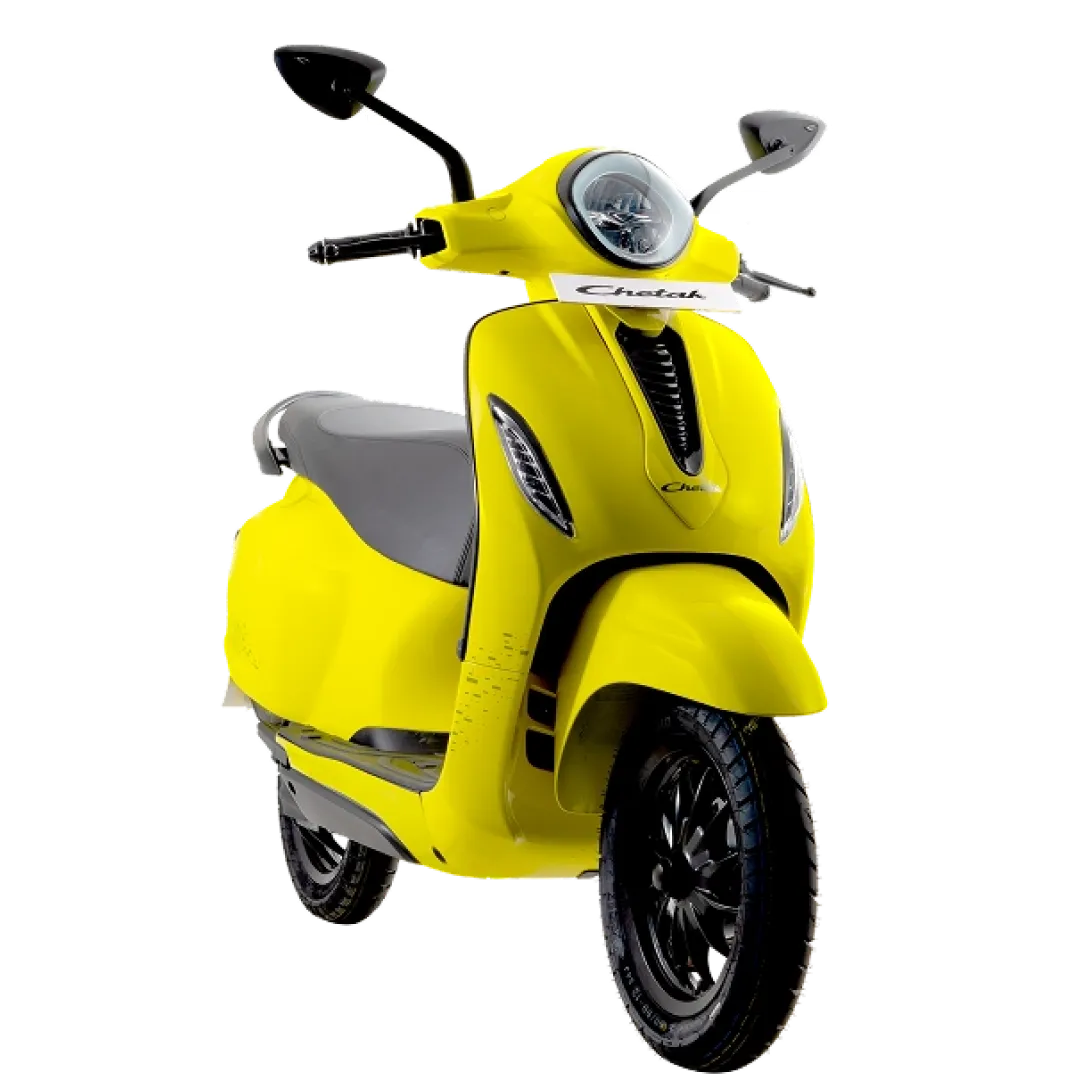
Bajaj Chetak C3001
- Bajaj Chetak C3503
The C3503 features a 3.5 kWh battery, a 151 km IDC range, and a 70 km/h top speed. Its colour LCD and drum brakes distinguish it within the 35 Series.
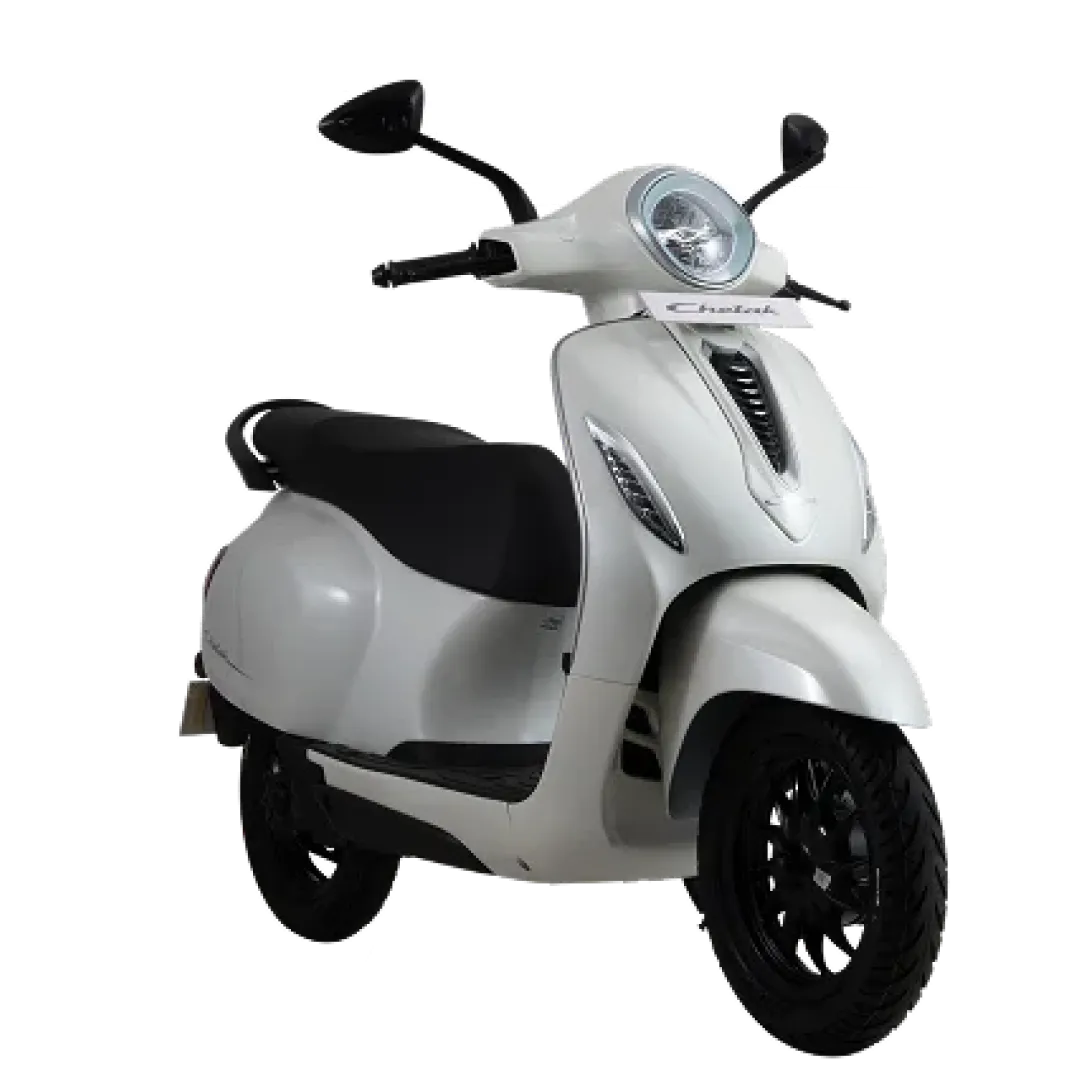
Bajaj Chetak C3503
- Bajaj Chetak C3502
The C3502 pairs a 3.5 kWh battery with a 153 km IDC range and an 80 km/h top speed. It also offers a TFT display and front disc brakes.
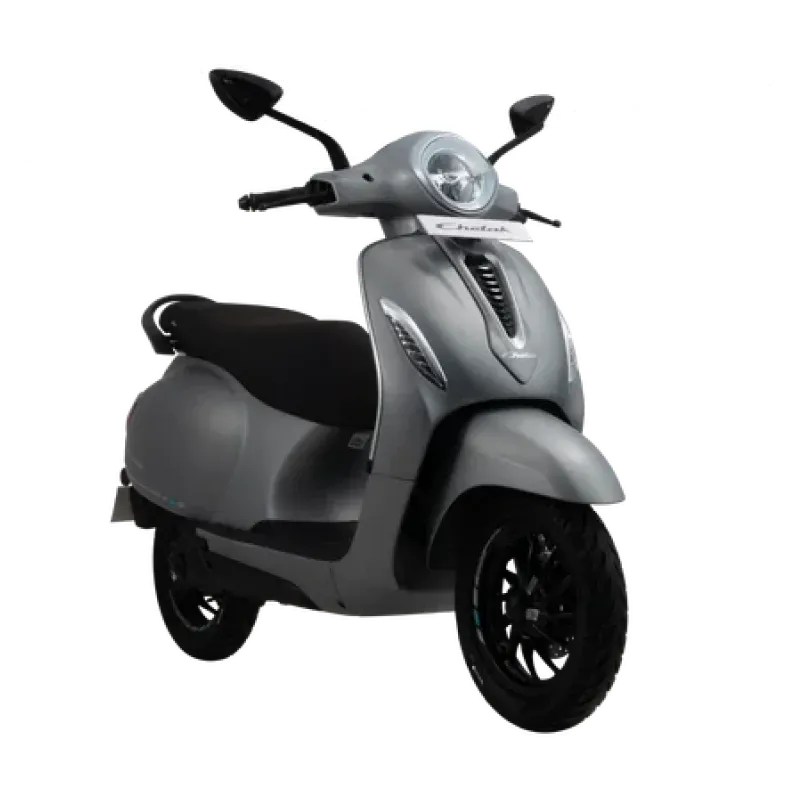
Bajaj Chetak C3502
- Bajaj Chetak C3501
The C3501 offers a 3.5 kWh battery, a 153 km IDC range, and an 80 km/h top speed. Its distinguishing features include a front disc brake and Google Maps navigation with TecPac at an additional cost.
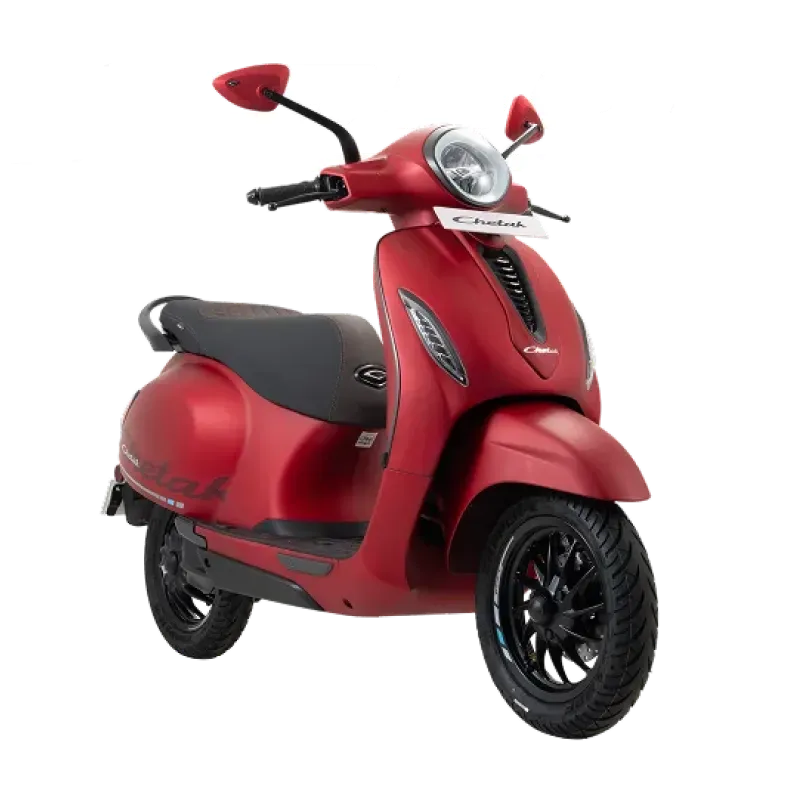
Bajaj Chetak C3501
Ready to Find an Electric Scooty That Matches Your Needs?
The price of an electric scooty depends on several factors, including battery performance, features, design, and ownership requirements. Instead of comparing only the initial cost, riders should evaluate how well a scooter matches their daily travel needs.
Understanding factors such as range, charging convenience, comfort, technology, and maintenance can help buyers make a more suitable choice. An electric scooter that aligns with regular commuting patterns can provide a convenient and efficient mobility solution.
As electric mobility continues to develop, options from brands like Bajaj Chetak are helping riders explore practical alternatives for city travel. By considering both features and long-term usability, riders can choose an electric scooter that supports their everyday journeys.


Leave a Reply