
Exploring Smarter Image Creation with AI: A Practical Guide for Modern Creators
The way we create visual content has changed dramatically in recent years. From marketing teams to independent designers, more people are relying on AI-powered tools to bring ideas to life quickly and efficiently. What once required hours of manual design work can now be achieved in minutes with the right platform and approach.
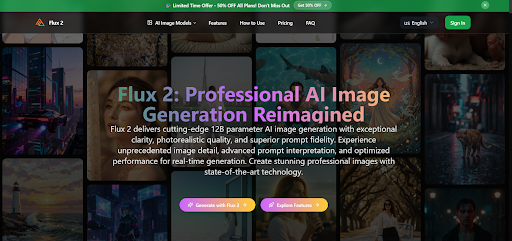
Among the growing number of tools available, platforms like Flux 2 are helping simplify the process of generating and editing images. Rather than replacing creativity, these tools are designed to support it—giving users a faster way to experiment, iterate, and produce high-quality visuals.
In this article, we’ll explore how AI image generation platforms fit into modern workflows and how they can be used across different industries.
The Shift Toward AI-Powered Visual Creation
Visual content plays a central role in communication today. Whether it’s a social media post, an online store listing, or a marketing campaign, strong visuals can make a significant difference in how a message is received.
Traditionally, creating such visuals required design software, technical skills, and time. AI tools have introduced a new layer of accessibility. Now, users can describe what they want in simple language and generate images that match their ideas.
This shift is particularly valuable for:
- Small businesses with limited design resources
- Marketing teams working under tight deadlines
- Content creators who need frequent visual updates
- E-commerce sellers managing large product catalogs
By reducing the time between idea and execution, AI tools make it easier to stay consistent and responsive.
Understanding Text-to-Image Generation
One of the most widely used features in AI platforms is text-to-image generation. This process allows users to input a description and receive a visual output based on that prompt.
For example, a user might describe a product scene, a digital illustration, or a conceptual design. The system interprets the request and generates an image accordingly.
Tools like Text to Image help streamline this process by offering a structured environment where prompts can be refined and results can be quickly generated.
Practical Applications
Text-to-image generation can be used in a variety of ways:
- Marketing visuals: Create banners, ads, or campaign graphics without starting from scratch
- Social media content: Generate unique posts that stand out in crowded feeds
- Concept design: Quickly visualize ideas before committing to detailed production
- Blog and editorial imagery: Add relevant visuals to written content
The ability to iterate quickly is one of the biggest advantages. If the first result isn’t quite right, users can adjust the prompt and try again within seconds.
Image-to-Image Editing and Refinement
Beyond generating images from text, many platforms also support image-to-image editing. This allows users to upload an existing image and modify it using AI.
This capability is especially useful for:
- Adjusting colors, lighting, or composition
- Changing backgrounds or environments
- Enhancing image quality for higher-resolution output
- Creating variations of a single design
For designers, this means less time spent on repetitive edits and more time focusing on creative direction.
Supporting Marketing and Creative Workflows
AI image tools are becoming a natural part of marketing workflows. Instead of relying solely on traditional design cycles, teams can now generate and test multiple creative directions quickly.
Campaign Development
When launching a campaign, marketers often need multiple versions of visuals for testing. AI tools allow them to:
- Produce variations with different styles or themes
- Adapt visuals for different platforms (e.g., Instagram, banners, email)
- Maintain consistency across assets while experimenting with ideas
Social Media Content
Consistency is key in social media, but creating fresh visuals regularly can be challenging. AI tools help by:
- Generating new content ideas
- Creating themed visuals for specific campaigns
- Reducing the time required for each post
This makes it easier to maintain an active and engaging presence.
Enhancing E-Commerce Product Visuals
For e-commerce businesses, visuals directly impact customer decisions. High-quality product images can improve engagement and conversions.
AI tools can assist with:
- Creating clean product backgrounds
- Generating lifestyle scenes without photoshoots
- Producing multiple variations for A/B testing
- Enhancing resolution for clearer product details
Instead of organizing costly shoots for every variation, sellers can generate multiple visual options digitally.
Working with Multiple Models and Styles
Modern AI platforms often provide access to different models or styles, allowing users to experiment with various visual approaches.
This flexibility is useful when:
- Exploring different artistic directions
- Matching brand identity across campaigns
- Adapting visuals for different audiences
Rather than being limited to a single output style, users can switch between approaches and find what works best for their needs.
High-Resolution Output and Quality Considerations
As visual standards continue to rise, high-resolution output has become increasingly important. Many AI tools now support outputs suitable for large displays or detailed digital use.
This includes:
- 4K-ready images for professional use
- Clear, detailed textures and elements
- Consistent quality across multiple generations
For businesses, this means AI-generated visuals can be used not only online but also in presentations, print materials, and promotional assets.
Speed and Efficiency in Creative Work
One of the most noticeable benefits of AI image platforms is speed. Tasks that once took hours can now be completed in minutes.
This efficiency allows teams to:
- Respond quickly to trends or market changes
- Test ideas without significant resource investment
- Reduce bottlenecks in design workflows
For freelancers and independent creators, this can also mean taking on more projects without compromising quality.
Keeping Creativity at the Center
While AI tools offer powerful capabilities, they work best when combined with human creativity. The input whether it’s a prompt, an idea, or a concept still comes from the user.
Successful use of these tools often involves:
- Writing clear and detailed prompts
- Iterating based on results
- Applying personal or brand-specific style
In this way, AI becomes a collaborator rather than a replacement.
Final Thoughts
AI image generation platforms are reshaping how visual content is created and managed. By combining speed, flexibility, and accessibility, they provide practical solutions for a wide range of users from marketers and designers to e-commerce teams and content creators.
Tools like Flux2pro, with experiences such as Flux 2, demonstrate how these technologies can be integrated into everyday workflows without requiring advanced technical skills. Whether it’s generating images from text, refining existing visuals, or producing assets for campaigns, AI is making creative processes more efficient and adaptable.
As the technology continues to evolve, the key advantage will remain the same: giving users the ability to turn ideas into visuals quickly, while still maintaining control over the creative direction.


Leave a Reply