
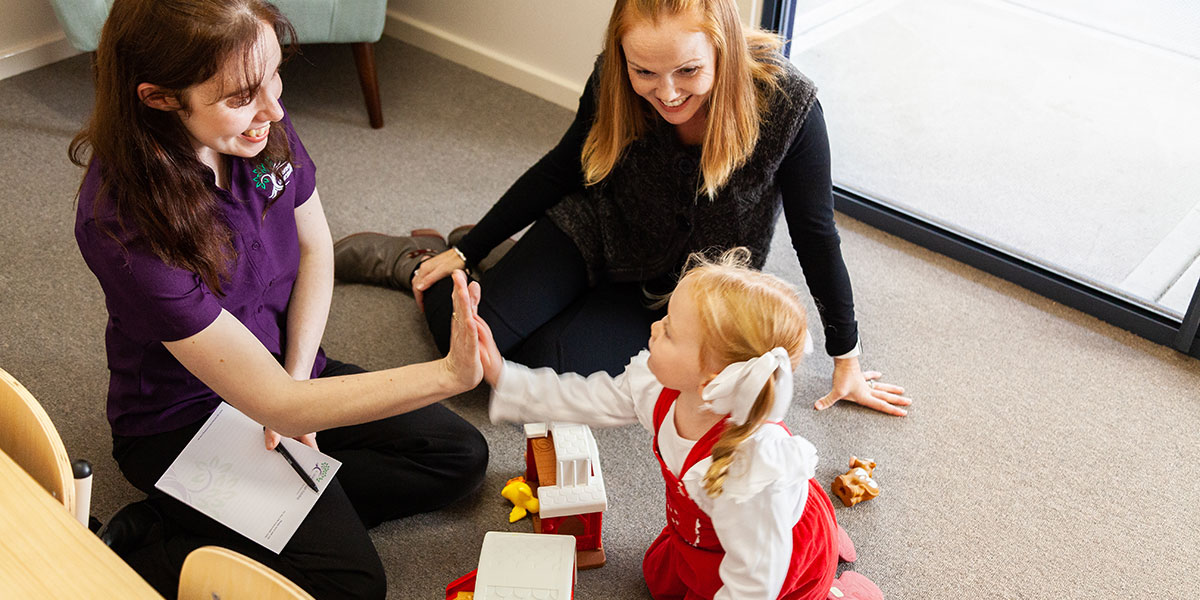
Finding Joy in the Small Wins: Celebrating Your Child’s Progress
Parenting a child with developmental, behavioral, or emotional needs can sometimes feel like a long journey filled with appointments, learning goals, therapy sessions, and constant problem-solving. In the middle of focusing on what still needs improvement, it is very easy for parents to overlook the progress that is already happening. Many families become so focused on long-term goals that they forget to notice the small, meaningful steps their child is taking every day. Over time, this can lead to frustration, exhaustion, and the feeling that progress is not happening fast enough.
Finding joy in small wins is a powerful shift in perspective that allows parents to recognize and celebrate even the smallest signs of growth. These small wins might include improved communication, a calmer response to transitions, better eye contact, following simple instructions, or even a new attempt at interaction. While these moments may seem small on the surface, they represent important steps in a child’s development journey.
When families learn to value small progress, the entire emotional experience of parenting changes. Instead of focusing only on what is missing, parents begin to see what is already working. This shift creates motivation, emotional relief, and a stronger connection with their child. For many families, guidance from certified ABA therapists plays an important role in helping identify and track these meaningful improvements, making it easier for parents to see progress that might otherwise go unnoticed.
Understanding the Importance of Small Wins
Small wins are the foundation of long-term progress. Development does not happen all at once; it happens gradually through repeated practice, reinforcement, and learning over time. Each small step builds toward larger goals, even if those steps seem minor in the moment.
For example, a child learning communication skills may begin by making eye contact, then progress to using gestures, followed by single words, and eventually full sentences. Each of these steps is a success on its own, even though the final goal may be more complex communication.
Parents often underestimate these small milestones because they are focused on long-term expectations. However, recognizing small wins helps create a more realistic and encouraging view of progress. It also helps reduce frustration, because progress is seen as a process rather than a single outcome.
Support from certified ABA therapists often helps families break down large developmental goals into smaller, measurable steps. This allows parents to clearly see progress and celebrate each stage of development rather than waiting for major milestones alone.
Why Parents Often Overlook Progress
It is natural for parents to focus on what still needs improvement. When a child has additional developmental needs, parents often become highly aware of challenges and areas of difficulty. This can make it harder to notice subtle improvements happening over time.
Another reason progress may go unnoticed is gradual change. Small improvements often happen slowly, making them less noticeable day to day. For example, a child who previously struggled with transitions may slowly become more comfortable over several weeks or months. Because the change is not sudden, it may be easy to overlook.
Stress and emotional fatigue can also affect perception. When parents are overwhelmed, they may focus more on challenges than progress, even when positive changes are happening.
Working with certified ABA therapists can help counter this by providing structured tracking of progress. Data-based observations and clear goals make it easier for parents to see measurable improvements, even when changes feel subtle in daily life.
The Emotional Impact of Celebrating Small Wins
Celebrating small wins has a powerful emotional impact on both parents and children. For parents, it creates a sense of hope, encouragement, and motivation. Instead of feeling stuck or discouraged, they begin to see that progress is happening, even if it is gradual.
This shift in perspective reduces stress and increases emotional resilience. Parenting becomes less about pressure and more about growth and connection. Recognizing progress also helps reduce feelings of frustration or helplessness, replacing them with a sense of purpose and achievement.
For children, celebration reinforces positive behavior and builds confidence. When children receive positive feedback for their efforts, they are more likely to repeat those behaviors and continue learning. This creates a cycle of encouragement and growth.
Families supported by certified ABA therapists often experience this positive cycle more clearly because progress is consistently reinforced and tracked in a structured way, making it easier to celebrate meaningful steps forward.
Building Awareness of Everyday Progress
One of the most important steps in finding joy in small wins is learning to notice everyday progress. This requires shifting attention from only major milestones to smaller, everyday behaviors and improvements.
Progress may appear in many forms. It could be a child trying a new word, showing more patience during a difficult moment, following instructions more consistently, or expressing emotions in a calmer way. These moments may seem simple, but they represent important developmental growth.
Parents can build awareness by reflecting on daily interactions and asking themselves what went slightly better today compared to yesterday or last week. Over time, this practice helps train the mind to recognize progress more easily.
Guidance from certified ABA therapists can also help parents identify these small improvements by breaking down behaviors into specific, observable skills. This makes progress more visible and easier to appreciate.
Shifting Focus From Perfection to Progress
Many parents feel pressure to see constant or rapid improvement in their child’s development. This expectation can create stress and disappointment when progress feels slow. However, development is not linear, and every child progresses at their own pace.
Shifting focus from perfection to progress means accepting that growth happens gradually. Instead of expecting immediate results, parents learn to value steady improvement over time. This mindset reduces pressure and allows for more patience and understanding.
When parents focus on progress rather than perfection, they are more likely to notice positive changes and feel encouraged by their child’s journey.
Support from certified ABA therapists helps reinforce this mindset by setting realistic, individualized goals that reflect each child’s unique developmental path.
The Role of Consistency in Progress
Consistency plays a key role in helping children make progress. Repeated practice, structured routines, and ongoing support all contribute to skill development over time. Without consistency, progress may be slower or less stable.
Parents play an important role in maintaining consistency at home by reinforcing skills learned in therapy or structured environments. Even small daily efforts can make a significant difference over time.
When combined with professional guidance from certified ABA therapists, consistency becomes more effective because families are supported with clear strategies and structured plans that guide daily interactions and learning opportunities.
Celebrating Progress in Meaningful Ways
Celebrating small wins does not require grand gestures. It can be as simple as verbal praise, a smile, acknowledgment, or shared excitement. The goal is to recognize effort and progress in a meaningful and positive way.
Celebration helps reinforce positive behavior and builds emotional connection between parents and children. It also creates a more encouraging environment where children feel motivated to continue learning and trying new things.
Parents can also celebrate internally by acknowledging their own efforts. Parenting is demanding, and recognizing personal growth and resilience is just as important as recognizing a child’s progress.
Families who work with certified ABA therapists are often encouraged to celebrate progress regularly, as reinforcement is a key part of supporting skill development and maintaining motivation.
Managing Expectations While Supporting Growth
Managing expectations is an important part of finding joy in small wins. It is natural for parents to hope for progress, but unrealistic expectations can lead to frustration and disappointment.
Understanding that development takes time helps create a more balanced perspective. Each child progresses differently, and comparison with others can make it harder to appreciate individual growth.
Setting realistic expectations allows parents to focus on steady improvement rather than immediate results. This creates a healthier emotional environment for both parents and children.
Professional support from certified ABA therapists helps families set realistic and achievable goals that reflect each child’s abilities and developmental stage, making progress easier to recognize and celebrate.
Strengthening Parent-Child Connection Through Celebration
Celebrating small wins also strengthens the emotional bond between parents and children. When children feel recognized and appreciated, they are more likely to feel confident and secure. This emotional connection encourages further learning and development.
Positive reinforcement builds trust and improves communication. Children begin to associate effort with positive attention, which increases motivation and engagement.
For parents, celebrating progress creates more joyful and meaningful interactions with their child. Instead of focusing only on challenges, they begin to experience more positive moments in daily life.
Support from certified ABA therapists helps reinforce this connection by guiding parents on how to effectively recognize and encourage positive behaviors.
The Long-Term Value of Small Wins
Small wins may seem minor in the moment, but over time, they add up to significant developmental progress. Each small step contributes to larger achievements, even if those changes are not immediately visible.
By consistently recognizing progress, parents build a more positive and hopeful outlook on their child’s development. This perspective supports emotional well-being and reduces long-term stress.
Children also benefit from this approach because they grow up in an environment that values effort, persistence, and growth rather than perfection.
With ongoing support from certified ABA therapists families can better understand how small steps lead to long-term success, making the journey feel more manageable and rewarding.
Conclusion
Finding joy in small wins is a powerful way for parents to shift their perspective and reduce stress while supporting their child’s development. Instead of focusing only on long-term goals or challenges, recognizing everyday progress helps create a more positive and encouraging parenting experience.
Small wins represent real progress, even when they seem minor. They build the foundation for larger developmental achievements and strengthen the emotional connection between parents and children.
Guidance from certified ABA therapists can help families identify, track, and celebrate these important milestones, making progress more visible and meaningful. Over time, this approach not only supports a child’s development but also improves emotional well-being for the entire family.
Ultimately, celebrating small wins transforms parenting from a constant focus on what is missing into a journey that recognizes growth, effort, and progress every step of the way.


Leave a Reply