
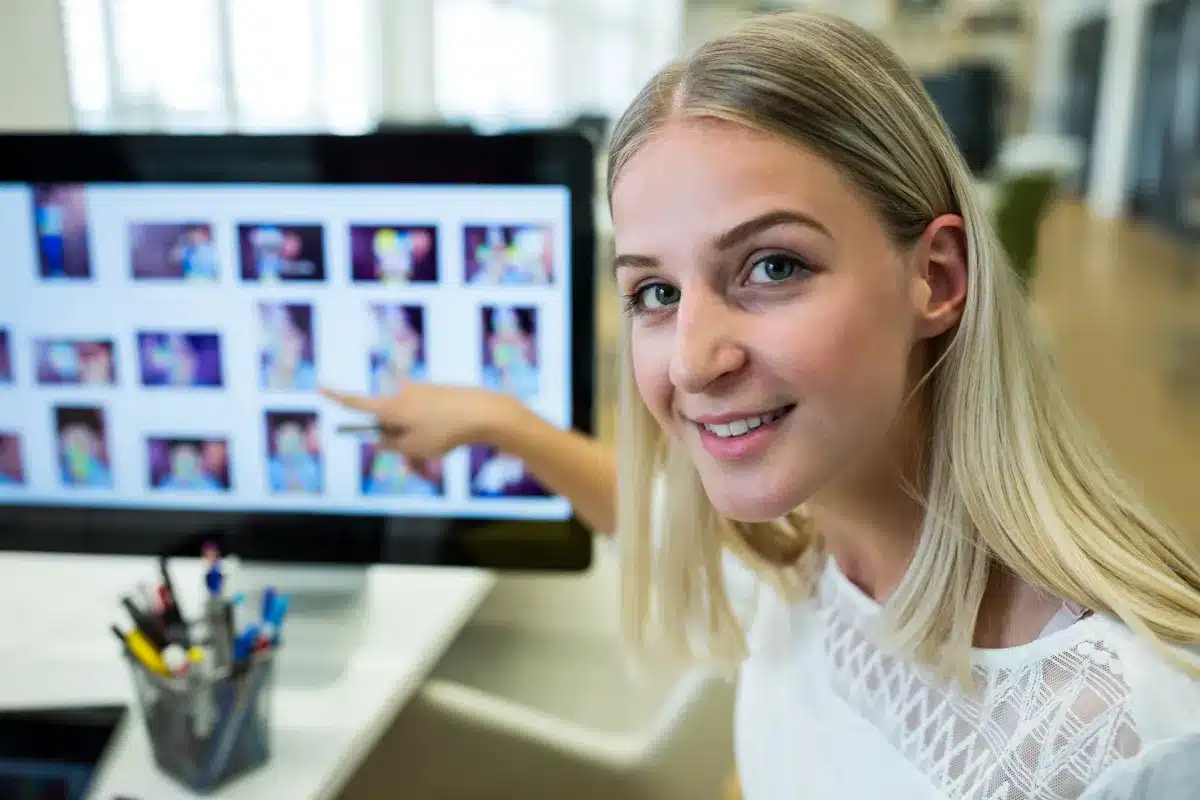
How AI Photo Technology Is Transforming Professional and Personal Online Images
In today’s digital world, your online image often creates the first impression before you even speak to someone. Whether it’s a LinkedIn profile, a company website, or even a dating app like Tinder, the quality of your photo can influence how others perceive your professionalism, personality, and credibility. Traditionally, people relied on professional photographers to capture high-quality headshots. However, advances in artificial intelligence are rapidly changing this landscape.
AI-powered image generation tools are now making it possible to create high-quality portraits without stepping into a studio. These technologies analyze facial features, lighting patterns, and photography styles to produce images that look remarkably natural. For professionals who want polished profile photos or individuals who want standout images for social platforms, AI is becoming a practical and affordable alternative.
One of the most exciting developments in this space is the rise of the modern ai photo generator, which allows users to create professional-looking portraits from simple selfies or existing photos. Instead of scheduling an expensive photo shoot, users can upload a few images and generate dozens of different styles within minutes. The AI models are trained on thousands of professional photography examples, enabling them to replicate studio lighting, sharp focus, and flattering compositions.
This technology is particularly beneficial for professionals who frequently update their online presence. Job seekers, entrepreneurs, and remote workers often need updated photos for resumes, LinkedIn profiles, or business websites. With AI-generated images, they can quickly produce multiple variations tailored to different contexts—formal corporate headshots, casual business photos, or creative branding images.
Dating platforms are another area where AI-generated photography is gaining popularity. On apps like Tinder or Bumble, profile photos strongly influence match rates. Many users struggle to capture high-quality pictures that highlight their personality while maintaining natural aesthetics. AI tools can enhance existing photos, improve lighting, adjust backgrounds, and generate entirely new portraits that appear professionally taken.
However, the real breakthrough lies in the sophistication of realistic ai image generation models. Earlier AI images often looked artificial or heavily edited, which made them easy to recognize as machine-generated. Modern AI systems, on the other hand, use advanced deep learning techniques to recreate subtle human details such as skin texture, natural shadows, and authentic facial expressions.
Because of these improvements, AI-generated portraits are becoming almost indistinguishable from traditional photography. This level of realism opens new opportunities for professionals who want polished images without the logistical challenges of booking photographers, finding locations, and coordinating schedules.
Another advantage is accessibility. Professional photography can cost hundreds of dollars, which may be out of reach for freelancers, students, or small business owners. AI photo tools dramatically reduce that barrier, allowing anyone to generate high-quality images quickly and affordably. This democratization of professional visuals helps individuals present themselves confidently online regardless of budget.
Businesses are also benefiting from AI-generated images. Startups and digital brands often need consistent visual branding across websites, social media, and marketing materials. AI-generated headshots allow teams to create cohesive employee photos even if members are located in different cities or countries. Instead of organizing a group photo session, companies can simply generate matching portraits with consistent backgrounds and lighting styles.
Of course, while AI-generated images offer many benefits, users should still consider authenticity and transparency. In professional environments, it’s important that photos accurately represent the individual. The best AI tools focus on enhancement and stylistic improvements rather than altering a person’s identity. When used responsibly, AI-generated photography becomes a powerful tool for personal branding rather than a misleading representation.
Looking ahead, AI photo technology will likely continue evolving as machine learning models become more advanced. Future systems may offer even more customization options, allowing users to adjust lighting, mood, backgrounds, and expressions with simple prompts. As these tools improve, they will further blur the line between traditional photography and digital creation.
Ultimately, AI is not replacing photographers entirely—it’s expanding the possibilities for visual self-presentation. For individuals who need quick, professional-quality images for platforms like LinkedIn, Tinder, or personal websites, AI-generated photos provide a flexible and efficient solution. By combining convenience, affordability, and advanced realism, AI photo generation is redefining how people create and share their digital identities.


Leave a Reply