

How Brands Can Authentically Connect With Consumers With Disabilities
Inclusivity is a key part of building customer loyalty.
But when it comes to people with disabilities, brands often fall short in helping them feel seen and heard. To authentically connect with consumers with disabilities, you need to listen, adapt, and show them that you care.
Let’s take a closer look at how your brand can authentically connect with disabled consumers.
Make them feel seen and heard
To truly connect with consumers with disabilities, you need to understand their experiences and struggles. So, reach out and ask. Conduct surveys, run polls, and host focus groups to gather specific insights about their needs.
For example, if you sell household products, you might ask how your product design can accommodate those with physical disabilities.
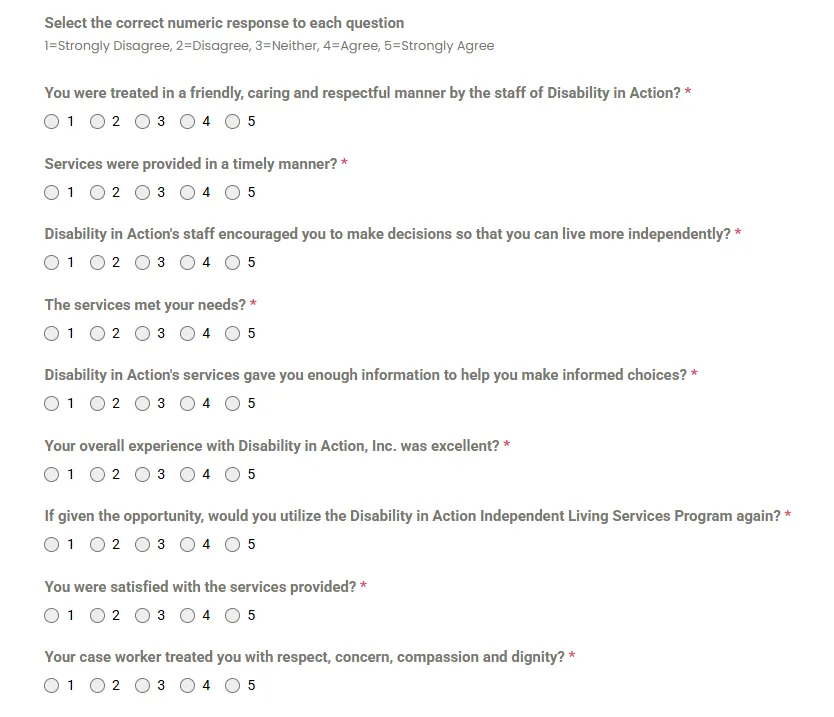
The point is not to collect feedback once and move on. Use what you learn to shape the content, product guidance, and support resources customers see next.
That feedback should also shape the content customers see after the first interaction.
Share inclusive content to show solidarity
Once you’ve started listening, share content that shows you’re on the same page.
Publish how-to articles, blog posts, and social media content that take disability challenges into account to show your support.
For example, if your brand sells personal care products, create articles on how people with different physical abilities can use your products comfortably. Or, you could share simple tips on making everyday tasks easier for people with specific needs. (Like recommending helpful tools or changes that make things simpler.)
Invite them to be part of the conversation
Engagement should be a two-way street. Ask questions and invite people with disabilities to share their experiences, needs, and ideas.
This could be via social media, email campaigns, or customer support channels.
For example, ask customers to share how your service or product has improved their daily routines or made tasks more manageable. You could also ask them what they think about your latest styles and colors.
This helps them feel valued and gives you rich insights you can use to improve your offers. (Plus, it’s free social proof!)
Partner with inclusive influencers and affiliates
Another way to connect authentically is to partner with influencers and affiliates who share your commitment to inclusivity. Partnerships like these build trust within the disabled community by bringing real, relatable voices to your marketing.
For instance, have influencers with disabilities demonstrate how your products make everyday tasks easier. If you sell personal care items, influencers could show how your products fit into self-care routines.
You could also partner with influencers who use assistive technologies (like screen readers) to highlight how your product integrates seamlessly into their lives.
Genuinely care about solving their unique problems
Don’t use disability just to attract more customers. Instead, focus on how you can solve their problems and make their lives easier.
For example, if you host events, make sure they’re accessible. Offer support aids such as wheelchair access, sign language interpreters, and live captions. Make sure your platform is compatible with screen readers and has simple navigation for virtual events.
The next section explains how support aids can help.
Adapt products and services to meet disabled consumers’ needs
Always consider disabled customers when creating your offerings. Make sure your products are easy to handle or have visual and auditory cues for those with sensory impairments.
For example, if you sell tech products, check that your gadgets are compatible with assistive technologies such as hearing aids or Braille displays.
Speaking of which …
Offer support aids
Integrate assistive technologies and support aids into your offerings. (This might range from chatbots and call-back services to in-store shopping assistance.)
For example, if your company sells household products, consider offering a helpline or virtual assistant for people with visual or hearing impairments.
Build inclusivity into your company culture
Disability inclusion should be a core part of your brand’s DNA, not just something that looks good in a marketing campaign.
That same standard should show up inside the company, too. Accessible benefits, flexible accommodations, and ongoing care support help employees feel supported while also contributing to employer healthcare cost reduction.
When your brand’s commitment to inclusivity is real, customers see it. It reflects in the products you sell, the content you share, and the customer support you provide.
Over time, this helps you build customer satisfaction and long-term loyalty.
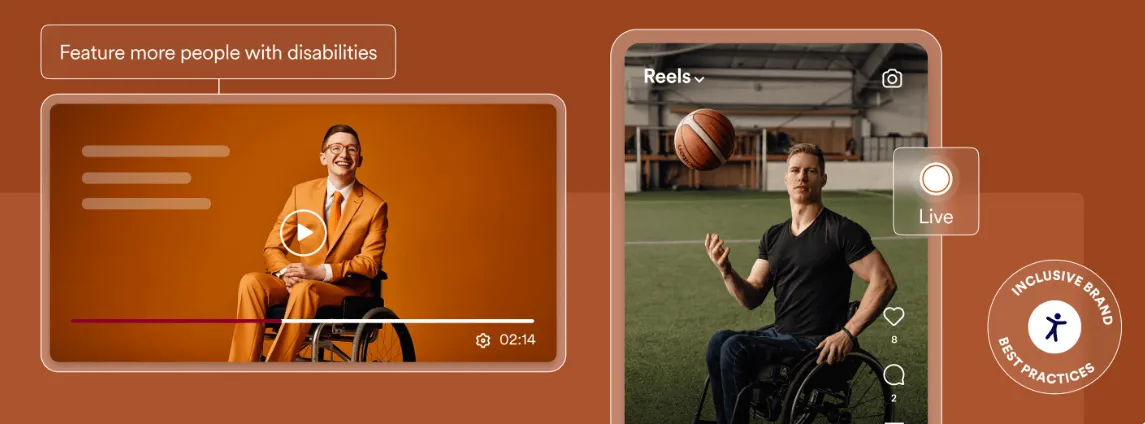
Representation matters, too. Include people with disabilities in your advertisements, social media, and product offerings. This approach helps customers feel seen and valued.
Provide inclusive customer service and support
Customer service is key to making consumers feel included. Train your customer support team to be familiar with assistive technologies, such as screen readers and hearing loops, so they can offer appropriate assistance.
Be sure to also empower your staff to make on-the-spot decisions that help disabled consumers.
Give them a quick guide to refer to when offering support, so they don’t forget key ways to be supportive.
Here’s an example:
- Accommodate the customer as much as possible
- Stay on the support call until you find a solution
- Show patience and empathy
- Avoid patronizing language
- Use supportive scripts
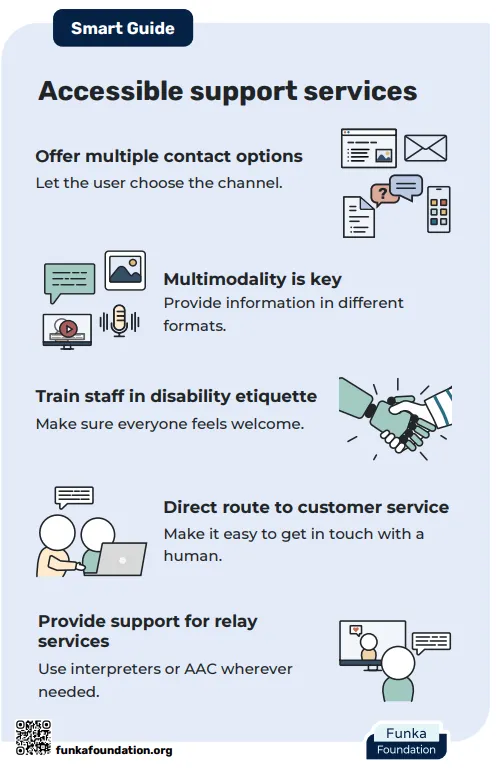
Customers also need accessible communication channels. Offer multiple ways to reach your support team (like phone, email, chat, and video calls). This will help you support customers with various disabilities, including hearing, vision, or speech impairments.
Implement inclusive advertising and marketing strategies
Finally, make sure your marketing materials are truly inclusive.
This means using imagery, language, and messaging that resonates with people with disabilities. Your best bet? Skip the stale stock images and create stories that reflect real experiences.
Your ads should be accessible, too.
Use captions, alt text for images, and sign language interpreters when needed.
Audit and improve accessibility across all platforms
The work doesn’t stop once you’ve made your marketing more inclusive. Regularly audit your website, apps, and social media for accessibility barriers.
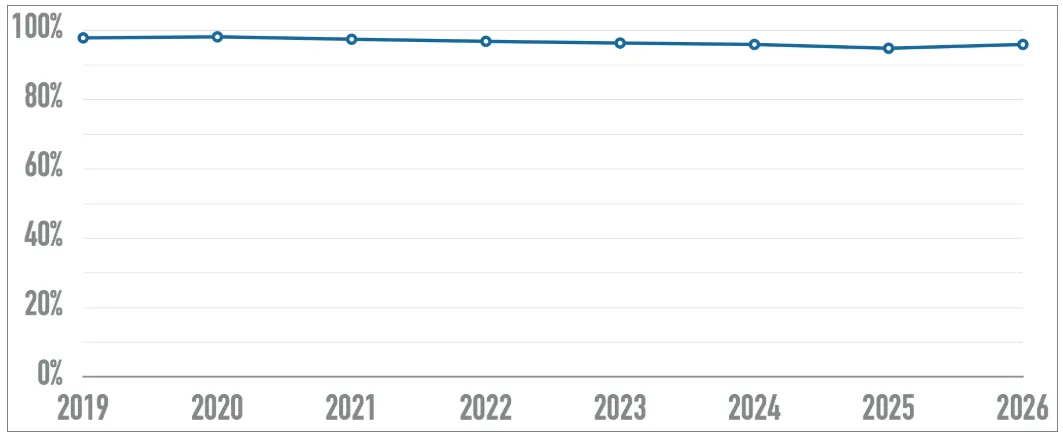
According to WebAIM’s 2026 accessibility report, 95.9% of home pages had detectable WCAG 2 failures, underscoring the need for regular accessibility audits.
You can also use accessibility testing tools to identify barriers and improve the customer experience for users with disabilities.
For example, make sure your site is accessible to screen readers and that every meaningful image has descriptive alt text. Small accessibility fixes can make the overall digital experience easier to navigate for disabled users.
Wrap up
Building an authentic connection with consumers with disabilities is an ongoing process, not a one-time inclusion campaign.
It requires listening, accessible design, inclusive content, and support systems that accommodate diverse needs. But it’s SO worth it!
When you prioritize inclusivity in your offers and marketing campaigns, you’ll build long-term trust and loyalty and leave a positive social impact.
So, keep pushing for accessibility, adapting, and showing up for everyone. Over time, that effort can help your brand earn more trust and build stronger customer relationships.
Ready to make your website more welcoming before the next campaign goes live? Explore Porto’s WordPress theme and prebuilt websites to build a faster, more accessible customer experience from the first click.
Author Bio:
Ioana Wilkinson
Ioana is a business strategist and content writer for B2B tech and SaaS brands. She also helps aspiring entrepreneurs build remote businesses. Born in Transylvania and raised in Texas, Ioana has been living the digital nomad life since 2016. When she’s not writing, you can catch her snorkeling, exploring, or enjoying a café con leche in Barcelona!


Leave a Reply