
How Custom Packaging Boxes Build Brand Identity
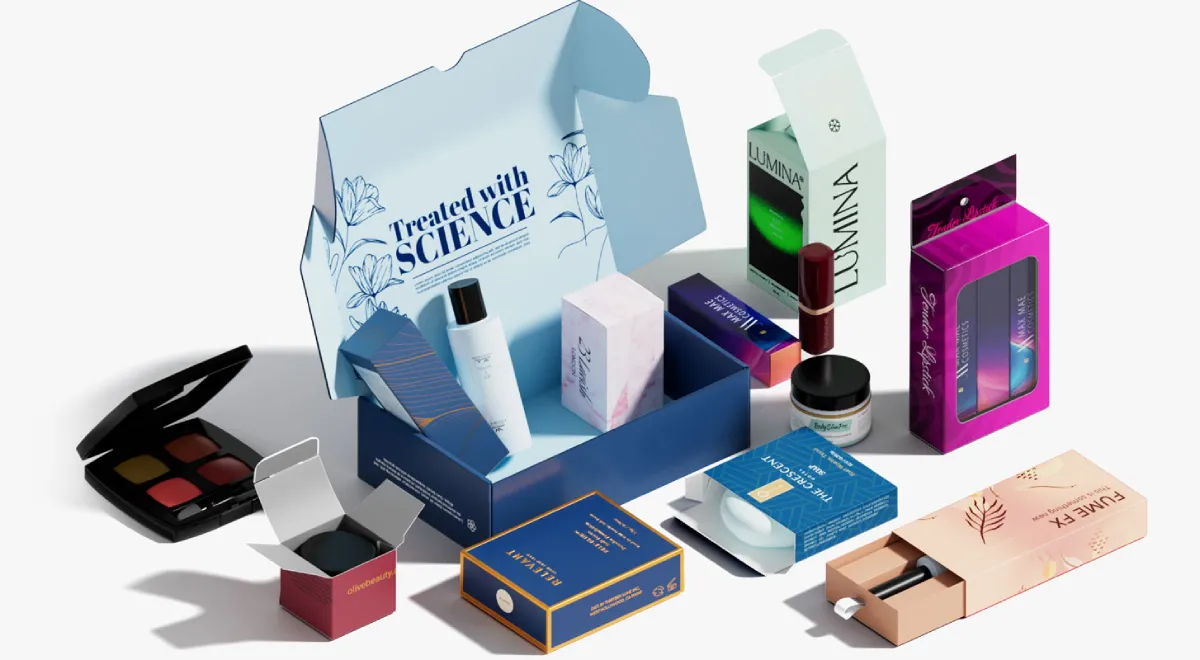
In today’s competitive market, packaging has evolved far beyond a simple container. Custom packaging boxes are now vital tools for businesses across industries, combining protection, functionality, branding, and consumer appeal. Whether you sell cosmetics, electronics, food, or luxury goods, the packaging you choose can significantly influence customer perception, loyalty, and overall sales.
The global packaging market continues to grow rapidly, driven by e-commerce expansion, changing consumer preferences, and a focus on sustainability. Companies increasingly recognise that packaging is not merely functional—it is a critical aspect of brand identity. Custom boxes allow businesses to differentiate their products on crowded shelves, create memorable unboxing experiences, and demonstrate attention to detail and professionalism.
This comprehensive guide explores the world of custom packaging boxes, covering types, materials, functional features, design considerations, branding strategies, trends, and practical tips for businesses.
Understanding Custom Packaging Boxes
Custom packaging boxes refer to containers specifically designed to fit a product’s dimensions, materials, and branding requirements. Unlike generic boxes, custom options are tailored to protect the product, enhance presentation, and communicate the brand message effectively.
Businesses choose custom boxes for several reasons. They provide secure storage and transportation, especially for fragile or premium items. Additionally, they allow for creative branding, offering a blank canvas for logos, colors, patterns, and textures. Well-designed boxes help businesses stand out in competitive markets and offer customers a more professional, premium experience.
The role of packaging has expanded to include marketing, sustainability, and consumer experience. From a small startup to a multinational enterprise, businesses increasingly understand that custom packaging boxes are a vital investment, not an optional expense.
Key Considerations Before Ordering Custom Packaging Boxes
Before designing or ordering custom boxes, businesses must consider multiple factors to ensure the boxes meet both functional and aesthetic needs.
Product Dimensions and Weight
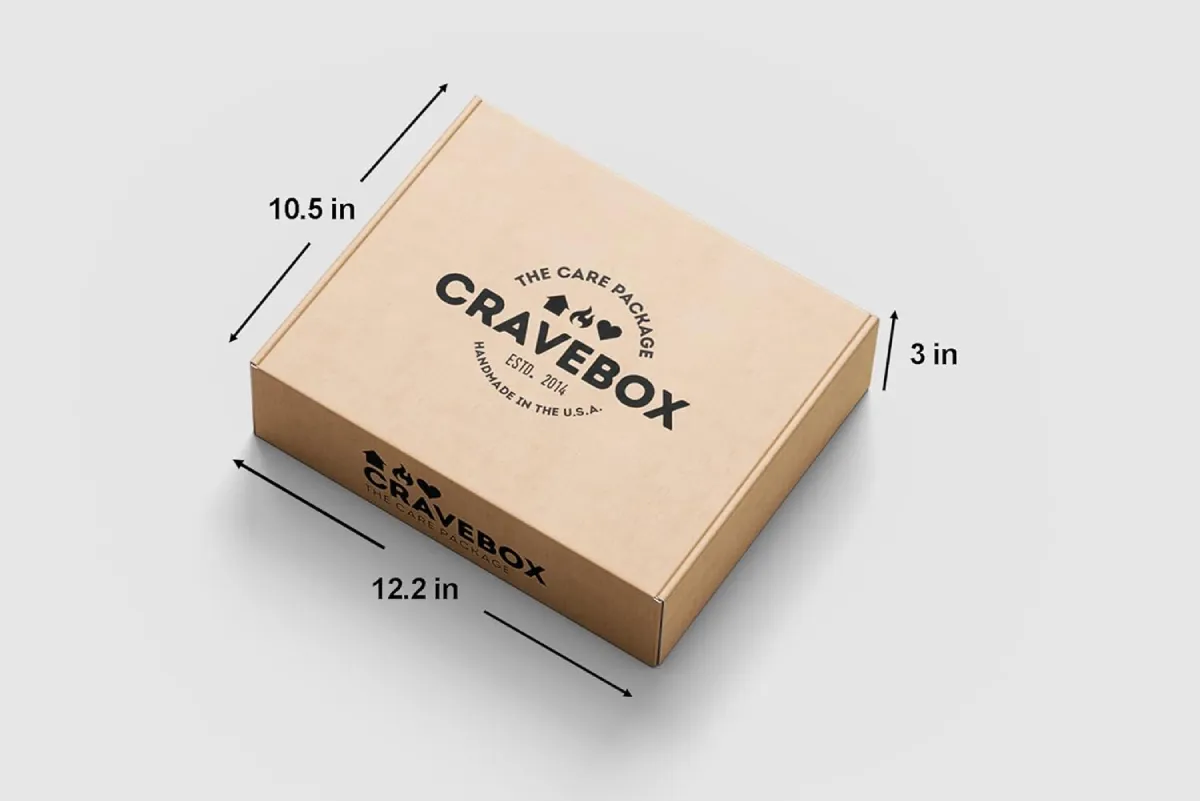
The first consideration is the size and weight of the product. Packaging must fit snugly to prevent movement and potential damage during shipping or handling. Oversized boxes can increase shipping costs and appear wasteful, while undersized boxes may fail to protect the product effectively.
Material Selection
Different materials provide varying levels of protection, aesthetics, and sustainability. Choosing the correct material ensures the box supports the product, resists environmental factors, and aligns with brand positioning. Materials include cardboard, corrugated board, rigid board, Kraft paper, and specialty eco-friendly options like sugarcane pulp or bamboo.
Product Fragility
Fragile items such as glassware, electronics, or premium cosmetics require reinforced boxes, inserts, or dividers to minimize damage during transit. High-quality materials, thicker walls, and foam or cardboard inserts provide extra protection.
Packaging Purpose
Determine the primary purpose of the packaging. Is it for retail display, e-commerce shipping, gifting, or storage? Retail packaging emphasizes visual appeal, while shipping boxes focus on durability and protection. Custom boxes can be designed to serve multiple purposes, balancing functionality and aesthetics.
Branding Goals
Packaging is a crucial brand touchpoint. The color scheme, printing technique, typography, and finishes should align with the brand’s identity. Premium brands may use embossing, foiling, or soft-touch finishes, while eco-conscious brands may prefer kraft or recycled materials with minimalist designs.
Budget and Quantity
Custom packaging boxes involve a cost that varies based on material, size, design complexity, and printing method. Ordering in bulk often reduces the per-unit cost. Businesses should balance quality, quantity, and budget to achieve optimal ROI.
Types of Custom Packaging Boxes
There is a wide variety of packaging box types, each suited to different products and business needs. Choosing the right type ensures both protection and presentation.
Folding Carton Boxes
Folding cartons are lightweight, versatile, and easy to assemble. They are typically used for retail products such as cosmetics, food items, small electronics, and pharmaceuticals. Folding cartons can be printed with full-color designs, brand logos, or patterns, making them an excellent marketing tool.
These boxes often include window cutouts for product visibility and can be reinforced with inserts or liners to enhance protection. Their foldable nature allows for efficient storage before use, reducing inventory space requirements.
Rigid Boxes
Rigid boxes, also called setup boxes, are sturdy, premium packaging solutions. They are ideal for luxury products such as jewelry, perfumes, high-end electronics, and fashion accessories.
Unlike folding cartons, rigid boxes are made from thick, durable material, providing superior protection and a premium unboxing experience. They can be customised with magnetic closures, ribbon ties, foam inserts, or embossed logos, enhancing both security and visual appeal.
Corrugated Boxes
Corrugated boxes are widely used for shipping, bulk storage, and e-commerce. They are strong, lightweight, and highly customizable. Corrugated board comes in single-wall, double-wall, and triple-wall variants, offering different levels of durability based on product weight and handling requirements.
These boxes are ideal for fragile or heavy items, often paired with protective inserts, cushioning, or dividers to prevent damage. They are also easy to print on, making them suitable for branding and marketing purposes in the shipping process.
Drawer or Slide Boxes
Drawer-style boxes open like a drawer and are often used for gifts, premium cosmetics, or electronics. They offer a unique unboxing experience while keeping the product secure. Custom inserts can hold individual items in place, enhancing presentation and protection.
Drawer boxes are perfect for brands that prioritize customer experience and premium aesthetics, adding a touch of elegance to the product presentation.
Mailer Boxes
Mailer boxes are designed specifically for e-commerce shipments. They combine durability, easy assembly, and attractive design. Most mailer boxes are made of corrugated board and include self-locking flaps to secure the product during shipping.
Businesses can add custom inserts, compartments, or cushioning to ensure products remain intact during transport. Mailer boxes also allow for full-color printing, branding, and promotional messaging, making them an essential part of online sales strategies. Many brands also use Premium PR Boxes to create memorable unboxing experiences for influencers, media contacts, and product launch campaigns.
Window Boxes
Window boxes include a transparent panel that displays the product while keeping it protected. These boxes are commonly used for bakery items, confectionery, small gifts, and retail products.
The transparency allows customers to view the product without opening the box, enhancing the shopping experience and perceived quality. Window boxes can be paired with decorative liners, inserts, or branded wraps for added appeal.
Materials for Custom Packaging Boxes

The choice of material affects durability, sustainability, visual appeal, and cost. Here’s a detailed look at popular options:
Cardboard: Lightweight and easy to print on, cardboard is ideal for retail packaging and small items. It is cost-effective but offers moderate durability.
Corrugated Board: Known for strength and rigidity, corrugated board is perfect for shipping, e-commerce, and heavier products. It comes in various flute types to balance protection and flexibility.
Kraft Paper: Eco-friendly, natural, and biodegradable, Kraft paper is often used for food packaging, gift boxes, and minimalist retail items. Greaseproof liners or coatings increase its versatility.
Rigid Board: Thick, sturdy, and premium, rigid board provides a luxury feel while offering high protection. It’s ideal for jewelry, electronics, and cosmetic boxes.
Eco-Friendly Pulp: Made from sugarcane, bamboo, or recycled fibers, these materials are compostable and sustainable, appealing to eco-conscious brands.
Plastic and Laminates: Sometimes used as inserts, coatings, or for moisture resistance. While less sustainable, these materials improve durability and food safety.
The material choice depends on product type, protection level, cost considerations, and brand values. Premium products often use rigid boxes with embossed logos, while high-volume e-commerce shipments rely on corrugated mailer boxes for cost-effective protection.
Functional Features and Enhancements
Custom packaging boxes often include functional enhancements that improve protection, usability, and aesthetics.
Inserts and Dividers: Essential for fragile or multi-component products. Inserts can be made of cardboard, foam, or molded pulp to secure each item individually.
Liners and Coatings: Liners protect against moisture, grease, or scratches. Coatings can include glossy, matte, or soft-touch finishes, improving both appearance and durability.
Special Closures: Magnetic flaps, ribbon ties, tuck-in closures, or self-locking mailer designs ensure security and easy handling.
Die-Cuts and Windows: Provide visual access to the product, enhancing presentation and marketing potential.
Custom Shapes and Sizes: Boxes can be tailored to match the product dimensions, improving protection, reducing waste, and enhancing shelf appeal.
Branding with Custom Packaging Boxes
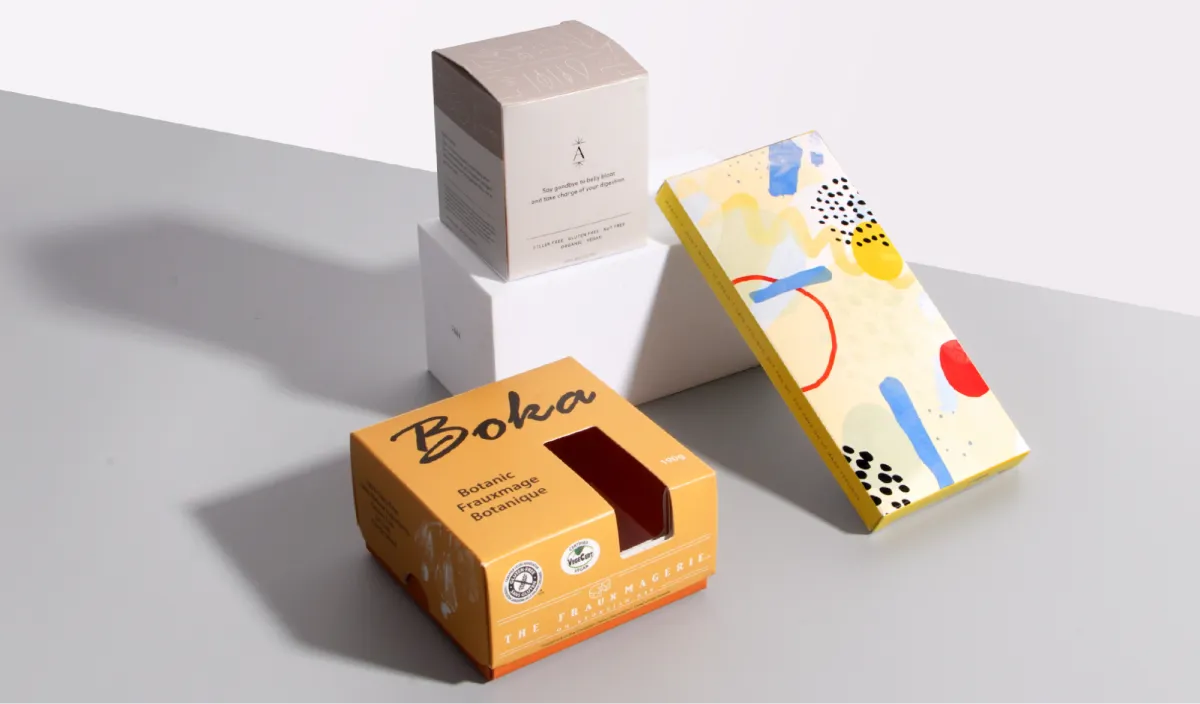
Custom boxes are a powerful tool for brand promotion. Businesses can print logos, slogans, and design elements to create a memorable impression.
Color Psychology: Different colors evoke different emotions. For example, green and brown are associated with eco-friendliness, while black and gold convey luxury and sophistication.
Finishing Techniques: Embossing, foil stamping, spot UV, or soft-touch finishes add tactile and visual appeal. Premium finishes signal quality and professionalism.
Typography and Graphics: Bold, clean fonts and eye-catching graphics improve readability and reinforce brand identity.
Social Media Appeal: Attractive boxes encourage unboxing videos, customer photos, and social sharing, providing free marketing exposure.
Comparative Table of Box Types and Features
| Box Type | Material | Best Use | Protection Level | Branding Potential | Special Features |
| Folding Carton | Cardboard | Retail, small products | Moderate | High | Windows, inserts |
| Rigid Box | Rigid Board | Luxury items | High | Very High | Magnetic closure, embossing |
| Corrugated Box | Corrugated | Shipping, heavy items | Very High | Medium | Custom inserts, flutes |
| Drawer Box | Cardboard/Rigid | Gifts, premium | High | High | Slide opening, inserts |
| Mailer Box | Corrugated | E-commerce | High | High | Self-locking, inserts |
| Window Box | Cardboard | Retail, food | Moderate | High | Transparent panel |
Trends in Custom Packaging Boxes
The packaging industry continues to innovate. Key trends include:
Sustainability: Increasing demand for recyclable, compostable, and biodegradable packaging.
Smart Packaging: QR codes, augmented reality features, and traceability elements enhance customer engagement.
Minimalist Design: Clean, simple designs reduce waste and align with eco-conscious branding.
Premium Finishes: Luxury finishes enhance perceived value for high-end products.
Personalization: Customized messages, names, or limited editions increase consumer loyalty and engagement.
Practical Tips for Ordering Custom Packaging Boxes
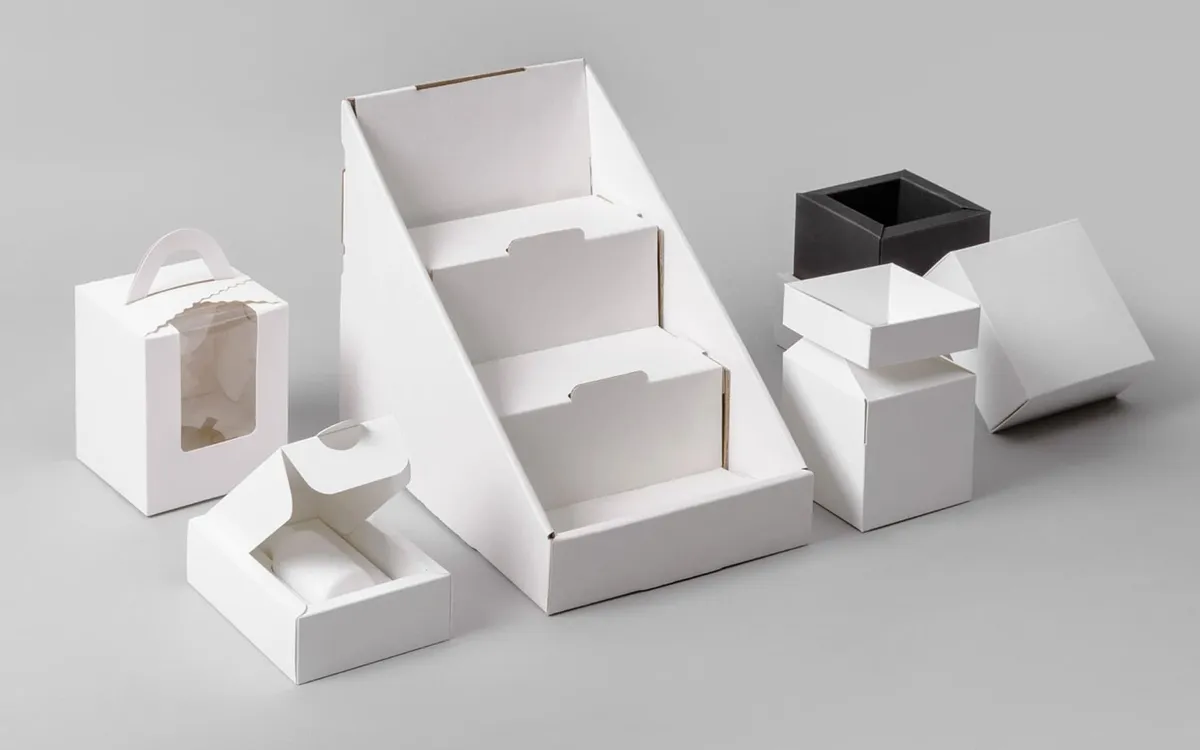
- Test Samples: Always request physical samples to evaluate durability, print quality, and usability.
- Consider Bulk vs. Small Runs: Bulk orders reduce cost per unit, while small runs allow testing new designs or seasonal packaging.
- Supplier Selection: Work with suppliers who provide material options, design assistance, and quality control.
- Functional Requirements: Assess whether inserts, dividers, coatings, or special closures are necessary for product safety.
- Design Alignment: Ensure the box design aligns with marketing goals and brand identity, maximizing customer impact.
Conclusion
Custom packaging boxes have become essential assets for modern businesses, offering a perfect blend of protection, branding, and customer engagement. Whether it’s folding cartons for retail, rigid boxes for luxury goods, or corrugated mailers for e-commerce, each solution addresses specific business needs.
By choosing the right materials, functional features, and branding elements, businesses can ensure their products reach customers safely while leaving a lasting impression. With increasing consumer expectations and sustainability demands, investing in well-designed custom packaging boxes is not merely practical—it is a strategic move that can boost sales, strengthen brand loyalty, and elevate overall market presence.
As packaging technology evolves, businesses that prioritize innovation, quality, and creativity will stand out in competitive markets, ensuring their products are protected, admired, and remembered.


Leave a Reply