
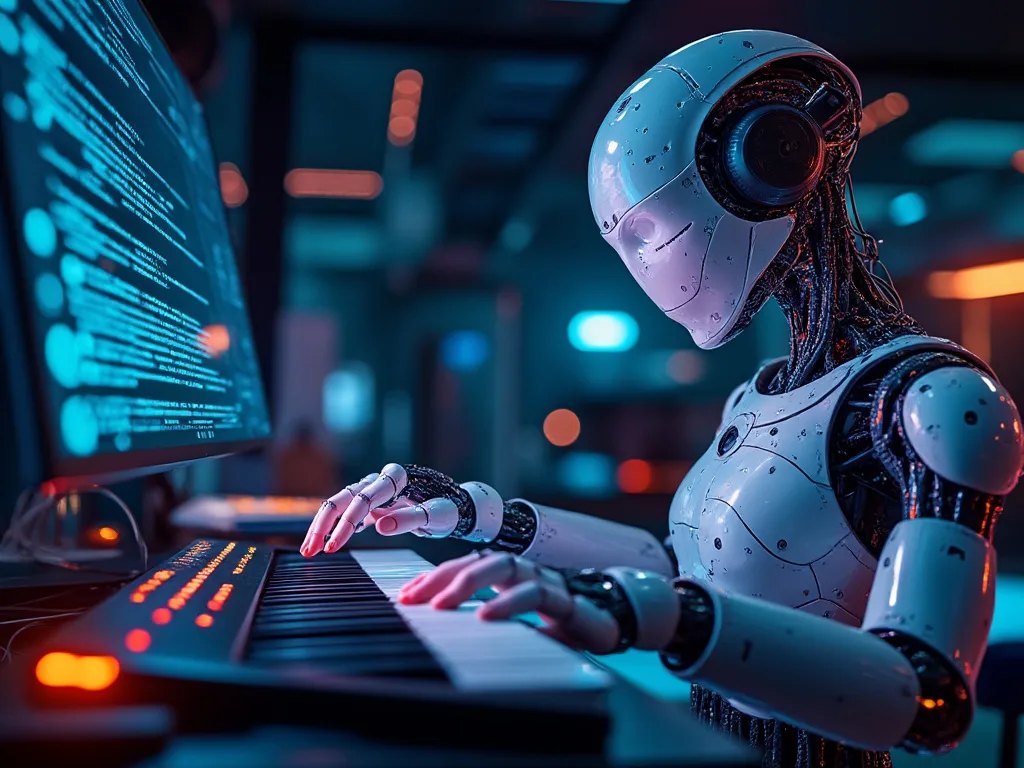
How Fan Content Creators Are Using AI Music Tools to Build Communities Around the Music They Love
Fan communities have always produced creative content — fan fiction, fan art, fan edits. Music fandom is no different, and fan-made music content has been a fixture of communities built around anime, K-pop, gaming, and pop culture for years. What’s changed recently is the production quality floor. Where fan music content once meant a shaky phone recording of someone singing along to a backing track, AI tools have made it realistic for any dedicated fan to produce something that sounds genuinely polished.
The result is a generation of fan content creators who are building significant audiences not by consuming the music they love, but by actively remaking it — with new lyrics, new styles, new voices — and sharing those creations with communities that are hungry for exactly that kind of content.
Creating Original Songs in the Style of Beloved Franchises
The most ambitious fan music creators don’t just cover existing songs — they write entirely new ones that feel like they belong inside the worlds they love. An original song written from a character’s perspective, a theme song for a ship (a fan-preferred pairing), a battle anthem for a game faction that doesn’t actually have one in the source material — these are genuinely creative acts that require real musical execution to land.
An ai song maker makes that execution accessible. A fan who can write lyrics that capture a character’s voice, or describe the emotional feeling of a specific scene, can generate a fully produced original track around those creative decisions without needing music production skills. The lyrics come from deep knowledge of the source material; the music comes from describing the genre and mood that fits — orchestral and epic for a fantasy setting, synth-heavy and atmospheric for a sci-fi world, bright and energetic for an idol group concept. The combination is something the fandom actually wants: new music that feels like it belongs in the universe they care about.
Rewriting Songs With Fan-Specific Lyrics
One of the most popular formats in fan music communities is the parody or fan rewrite: a well-known song from the source material, or a popular song the fandom has adopted, given entirely new lyrics that speak directly to the fandom’s inside references, beloved characters, and shared experiences.
An ai song cover generator is precisely the tool for this. Upload the original song, write the new lyrics — the ones that reference the specific characters, plot points, or community in-jokes that will make the fandom immediately react — and the AI produces a fully sung version of those lyrics set to the original melody. The tune the community already knows and loves stays exactly the same; the words become something entirely specific to the fan community. This kind of content travels extremely fast within tight-knit fandoms because it requires shared knowledge to fully appreciate — only people who are genuinely in the community will get every reference, which makes sharing it feel like an act of community membership.
The genre transformation side of the tool is also popular in fan communities for a different reason: taking a song from one context and rebuilding it in a dramatically different style creates the kind of surprising, shareable content that gets attention beyond the immediate fandom. A K-pop song rebuilt as a baroque classical piece. An anime opening reimagined as a country ballad. The contrast is the hook.
Singing as Your Favorite Character — or as Yourself
The deepest form of fan music engagement is performance: actually singing as a character, or singing a character’s songs in your own voice and sharing that with the community. This has always been a significant part of fan culture — vocal covers are some of the most viewed fan content on YouTube — but the production quality gap between casual fan recordings and professionally produced content has historically been significant.
An ai singing voice generator changes that gap substantially. A fan creator uploads a short clean vocal recording — their own voice, recorded without background noise — and the system builds a personal voice model from it. That model can then be applied to any song: upload the track, and the AI replaces the original vocals with the creator’s trained voice. The result is a cover that sounds like the creator actually recorded it in a proper studio — consistent tonal quality, clean production, professional output — rather than a phone recording from a bedroom.
For fan creators who have always wanted their vocal covers to sound as good as the content they’re covering, this closes the production gap without requiring recording equipment or engineering knowledge. The performance and the emotional connection to the material are still the creator’s own; the production quality is no longer the limiting factor.
Building an Audience Within a Fandom
Fan content creators who produce music occupy a specific and valuable niche within their communities. Music content is more emotionally resonant than most other fan content types, more likely to be save and replay, and more likely to be shared beyond the immediate audience — because a good fan song is something people want their friends in the fandom to hear, not just something they consume once.
For creators building an audience within a specific fandom, consistent music output — original songs, fan rewrites, vocal covers — creates a content identity that’s distinctive and memorable in ways that commentary or clip compilation content rarely achieves. The tools to produce that content at a polished level are now genuinely accessible. What the community responds to most is still the creative choices: the lyrics that capture something true about the characters, the voice that brings something personal to the performance, the song selection that shows real knowledge of what the fandom loves.
The production quality is no longer the barrier it was. The creative investment is what separates the fan music creators who build lasting communities from those who make one video and stop.


Leave a Reply