

How Interactive Financial Tools Improve the User Experience
Comparing loan options, planning a monthly budget, and estimating future savings are three completely different scenarios that have one thing in common: giving you accurate answers right away.
No one enjoys sorting through long explanations just to find one useful number. That’s why financial tools — and not just any, but interactive tools — make a real difference.
They don’t ask you to interpret complex data. They just give you results based on your own input.
These types of tools create a smoother, more positive user experience. Keep reading to learn how.

Interactive Calculators Turn Complex Decisions Into Simple Comparisons
Because financial decisions involve several variables, doing calculations manually leaves plenty of room for mistakes. With interactive calculators, you don’t need to put in that extra work. You get instant estimates based on your own numbers.
It doesn’t matter if you’re estimating mortgage payments, comparing personal loan offers, calculating savings growth, or looking for a lease buyout calculator alternative; these tools make comparisons much easier.
You can adjust interest rates, loan terms, or down payments in seconds and see how the final cost changes.
On top of that, calculators make financial information easier to grasp. Rather than presenting formulas or lengthy explanations, they turn complex calculations into practical results.
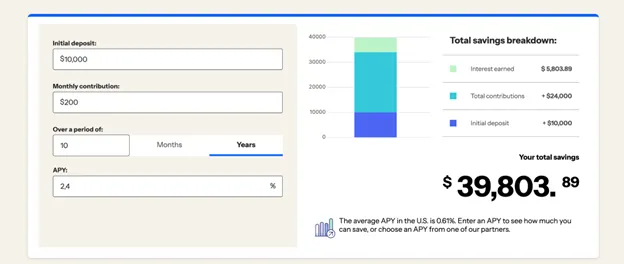
For example, a savings calculator can show how increasing your monthly contribution by a small amount adds up over a couple of years, while a loan calculator shows the long-term cost of choosing a shorter or longer repayment period.
There’s no static content, and the experience becomes much more useful. You stay engaged because every result responds directly to the choices you make, which gives you greater confidence in your next step.
Personalized Tools Help Users Find Answers That Fit Their Situation
Even when they’re using the same tool, no two people have the same financial goals, income, or spending habits. That’s why generic advice doesn’t make sense.
Personalized tools, on the other hand, make every experience much more relevant by asking a few simple questions and recommending based on your answers.
Budget planners, retirement calculators, investment risk assessments, and financial wellness quizzes all guide you toward options that match your own circumstances. And instead of going through information unnecessary for you, you get the right suggestions for your priorities and financial habits.
This is even more important when you take into account that one report about customer experience in the fintech industry shows that 73% of users are more likely to stay with a platform that offers personalized financial advice.
When people feel that a platform understands their needs, they will trust its recommendations and then return when they need more guidance.
For example, a personalized tool might recommend the following:
- A monthly savings target based on your income and your desired purchase date
- A portfolio that better matches your comfort level and long-term financial goals
Real-Time Feedback Builds Confidence Before Users Take Action
Interactive financial tools are even more useful when they respond to every change you make, right as you make them. You don’t have to wait for updated estimates or recalculate figures yourself. It’s easy to test different scenarios and compare results. All that in seconds.
For example, a mortgage calculator can update your monthly payment as you adjust the interest rate or loan term.
Investment projection tools can estimate the impact any changes in your monthly contribution have on your savings. Similarly, currency converters and insurance quote estimators update as soon as you type the numbers.
When you get this immediate feedback, you can understand the impact of each choice right away. Real-time responses also encourage exploration.
Maybe you don’t want to accept the first estimate you see, and you want to compare alternatives, ask “what if” questions, and get a better understanding of your options. These tools allow you to do so.
Interactive Features Keep Users Engaged Long After the First Visit
The thing with a positive user experience is that it doesn’t end once someone receives a calculation or recommendation. The best financial platforms know it, and they give you a reason to return by offering tools that support your progress over time and make it easy to track changes.
Here’s what can make regular interaction happen:
- Savings goals, spending dashboards, and net worth trackers that show your financial progress in one place
- Budget alerts, bill reminders, and financial health scores that help you stay informed and adjust your plans when needed
This is what makes a one-time visit an ongoing experience. You don’t start from scratch each time; you can monitor your goals, review recent activity, and make even small adjustments as your finances change.
And that’s why financial platforms combine calculators, personalized recommendations, and real-time upgrades to provide much more than information. When experience is practical, responsive, and relevant, users have a good reason to come back whenever they need financial guidance.


Leave a Reply